
 Cart is empty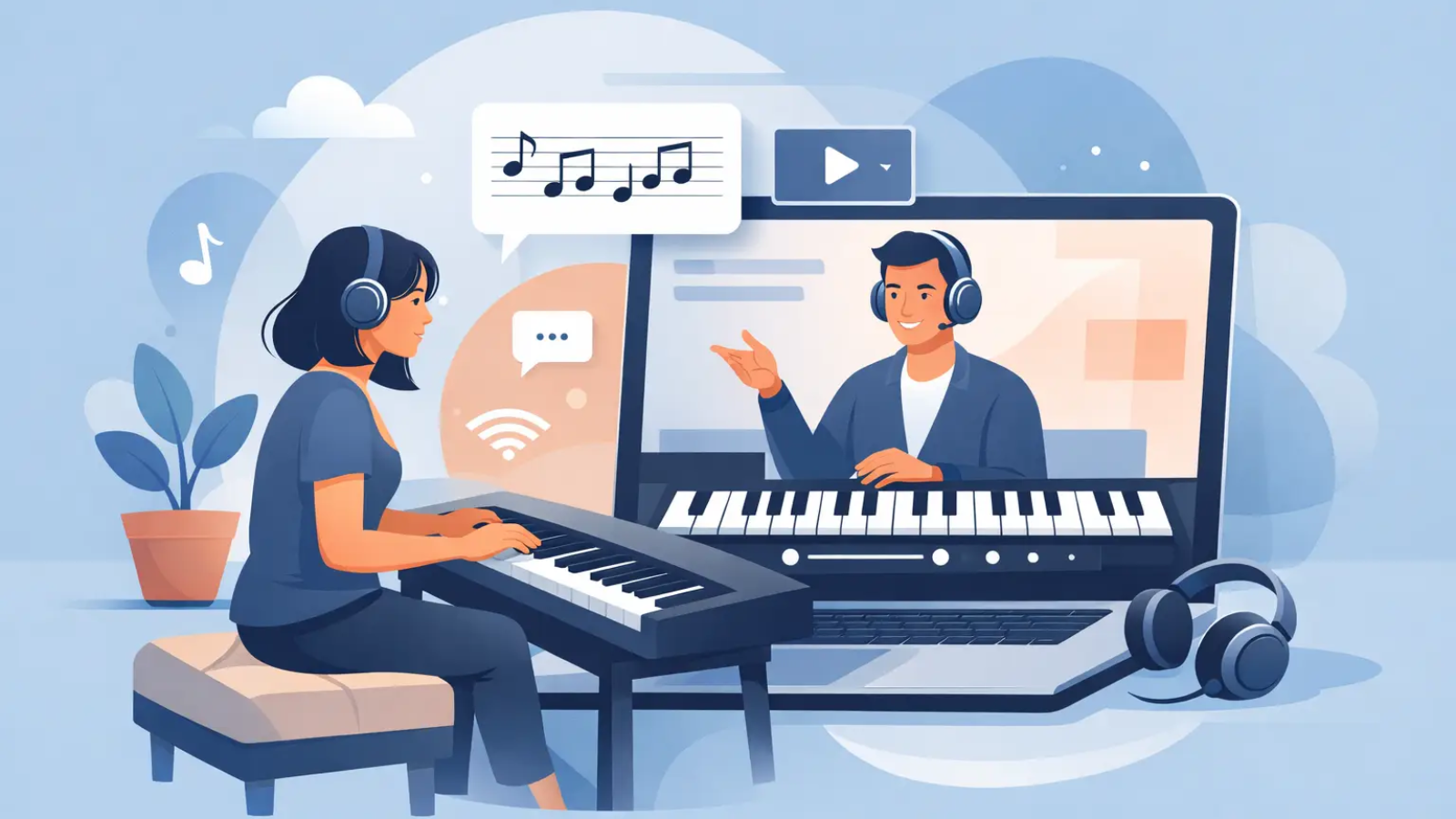
That first piano lesson can feel exciting right up until your hands touch the keys. Then the questions start. Am I sitting correctly? What do these notes mean? Why does one hand suddenly feel much less cooperative than the other? Beginner piano lessons online work best when they answer those questions in a calm, personal way and turn early confusion into steady progress.
For many new students, online learning is not a backup plan. It is the format that finally makes lessons possible. Busy workdays, school schedules, Ottawa weather, traffic, and family logistics can all make in-person study harder to sustain. A well-taught online lesson removes those barriers without removing the most important part of learning: a real teacher who knows how to guide you step by step.
Why beginner piano lessons online can be a great fit
The biggest advantage of online piano study is consistency. Students improve when lessons happen regularly, and regular lessons are easier to maintain when you do not need extra travel time. Children can move from homework to music more smoothly. Adults can fit a lesson into a lunch break or evening routine. Families with more than one student often find online scheduling much more realistic.
There is also a comfort factor that matters more than people expect. Beginners often learn better in a familiar space. Sitting at your own keyboard at home can reduce nerves and help you focus on the music itself. For younger students, that comfort can translate into better attention. For adults, it often means less self-consciousness and more willingness to try.
That said, online lessons are not automatic. They work well when the teaching is organized, the setup is clear, and the instruction is adapted to the student. A beginner needs more than a video call. They need pacing, encouragement, and a teacher who can notice when something is starting to click or when it needs to be explained a different way.
What a beginner actually needs in the first few months
Many people assume piano lessons begin with memorizing note names and simple songs. Those things matter, but strong early lessons build several skills at once. Students need to understand basic rhythm, keyboard geography, hand position, finger coordination, listening, and how to practice without frustration.
This is where personalized teaching makes a real difference. One student may be highly motivated by learning familiar melodies right away. Another may feel more confident with short technical exercises and clear weekly routines. A child may need games and visual cues. An adult beginner may want the logic behind everything so the process feels less mysterious. Good teaching meets the student where they are.
Progress in the beginning is rarely perfectly linear. Some weeks, reading improves quickly but coordination feels awkward. Other weeks, rhythm settles in and note reading takes longer. That is normal. Beginner piano lessons online should create a sense of momentum even when one skill is still catching up to another.
The first goals should be small and meaningful
A strong beginner program does not rush students into difficult pieces too soon. Early wins matter. Playing a short song with a steady pulse, recognizing patterns on the keyboard, and learning how to fix a mistake are all signs of real progress. When students feel successful early on, they are much more likely to keep going.
This is especially important for children and for adults returning to music after many years. Confidence is part of technique. If every lesson feels too hard, motivation drops. If the pace is too slow, students get bored. The sweet spot is different for every learner.
How online piano lessons stay personal
One concern families sometimes have is whether virtual learning can really feel individual. It can, but only if the lesson is built around the student rather than a one-size-fits-all method.
Personalization can show up in simple, practical ways. A teacher might select repertoire based on the student’s favorite styles, adjust the lesson length to suit attention span, or blend technique with ear training and theory when that supports faster understanding. Some beginners benefit from detailed weekly assignments. Others do better with just two or three focused goals.
For bilingual households, language can matter too. When instruction is available in English or Spanish, students and parents often feel more comfortable asking questions and staying involved in the learning process. That kind of accessibility is not extra. It helps students absorb more and feel more at home in the lesson.
What to look for in beginner piano lessons online
Not every online lesson experience is equally effective. The strongest programs are clear, warm, and structured. They make space for creativity, but they do not leave beginners guessing about what to do next.
Look for a teacher who explains concepts in plain language and can adjust quickly when a student gets stuck. Beginners need correction, but they also need encouragement. A helpful teacher does both. They notice details such as posture, finger use, rhythm accuracy, and reading habits, while still making the lesson enjoyable.
It also helps when lesson options are flexible. Some students thrive in 30-minute sessions. Others, especially older beginners or fast learners, may benefit from longer lessons with more time for theory, repertoire, and review. Families often appreciate options that can grow with the student.
A free trial lesson can be especially valuable. It lets the student experience the teaching style before making a bigger commitment. That first meeting often reveals whether the pace, personality, and communication style feel right.
Setup matters, but it does not need to be complicated
You do not need a professional home studio to begin. A keyboard or piano, a reliable internet connection, and a device positioned so the teacher can see the hands are usually enough. Headphones can help in some homes, but they are not always necessary.
What matters more is routine. A quiet space, a consistent lesson time, and a few minutes of preparation before class can improve the experience dramatically. Younger students do best when a parent helps with setup at the start. Older students and adults usually become independent with the technology very quickly.
The role of practice between lessons
Even the most encouraging lesson cannot replace regular practice. But practice for beginners should be realistic, not overwhelming. Ten focused minutes done consistently can be more effective than one long, stressful session at the end of the week.
Students make the best progress when they know exactly what to practice and why. That might mean repeating a rhythm pattern, reviewing a five-finger position, or playing one short piece with careful counting. Specific assignments reduce frustration and help students feel successful on their own.
Parents often ask how involved they should be. For young beginners, some support is helpful, especially at the start. That does not mean parents need musical training. Often it is enough to help establish a routine, listen for whether practice happened, and celebrate effort. Older students and adults usually need accountability more than supervision.
Beginner piano lessons online for kids, teens, and adults
The right approach changes with age and goals. Children usually need lessons that are energetic, varied, and interactive. Teens often respond well when music feels connected to their interests and when technical work has a clear purpose. Adults tend to appreciate a respectful pace, direct explanations, and the freedom to ask questions without feeling rushed.
There is no single ideal beginner profile. Some students want classical foundations. Others want to play pop songs, accompany themselves, or simply understand music better. Those goals shape the lesson plan. A thoughtful teacher does not force every beginner down the exact same path. They build strong fundamentals while keeping the student’s reasons for learning in view.
That balance of structure and enjoyment is what makes lessons sustainable. At Allegro Ma Non Troppo, that student-centered approach is part of what helps beginners build skill with confidence while still making room for creativity and music they genuinely enjoy.
When online may not be the best fit
Online learning is highly effective for many beginners, but there are cases where it depends. Very young students with limited attention span may need extra parent involvement. Some learners focus better in person. Others may need a better instrument setup before lessons feel comfortable.
These are not dealbreakers. They are just factors to consider honestly. Sometimes a student starts online and thrives. Sometimes they begin online because it is the most practical option, then later decide to add in-person experiences when schedules allow. Good music education is flexible enough to support both.
If you are considering beginner piano lessons online, the most helpful question is not whether online can work in theory. It is whether the teaching feels personal, clear, and encouraging enough to help you keep showing up. When that part is in place, progress becomes much less intimidating, and making music starts to feel like something you can truly grow into.
Leave A Comment