
 Cart is empty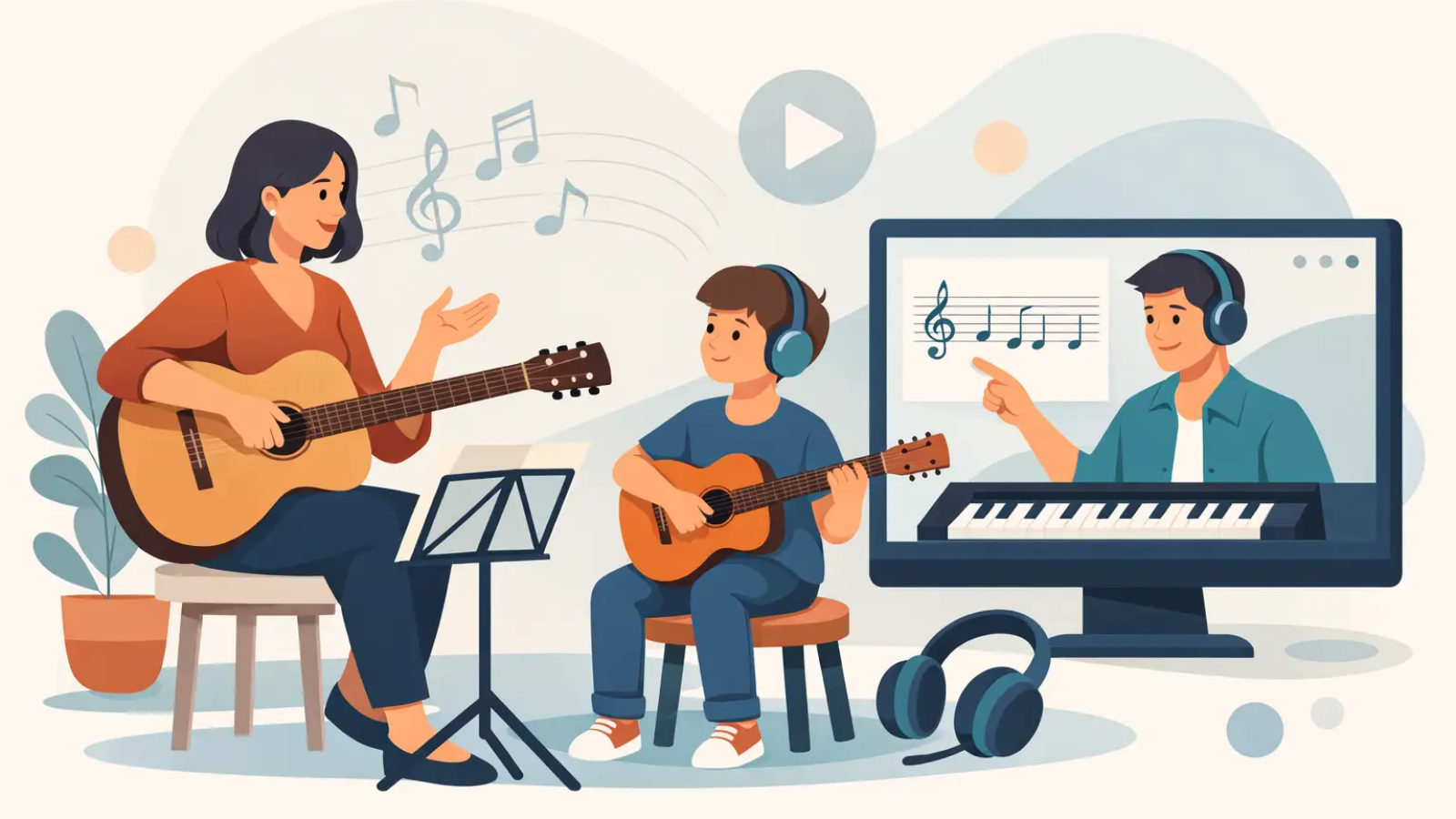
Starting music lessons can feel exciting right up until one practical question shows up: What if this is not the right fit? A free trial music lesson gives you a way to answer that before making a bigger commitment. It is a chance to meet the teacher, talk about goals, try the instrument or subject, and get a real sense of how learning will feel week to week.
That matters more than many families and adult students expect. A lesson is not just about credentials or a polished studio setup. It is about communication, pacing, encouragement, and whether the teaching style helps a student feel focused and capable. For a young beginner, that may mean finding a teacher who can make early skills feel playful and achievable. For a teen in school band, it may mean targeted help with tone, rhythm, and preparation for a performance. For an adult returning to music after years away, it often means a teacher who can balance structure with patience.
Why a free trial music lesson is worth taking
A trial lesson is useful because music study is personal. Two teachers can be equally qualified and still be a better match for different students. One learner may thrive with detailed technical explanations. Another may need more demonstration, repetition, and encouragement. The trial lesson helps reveal that fit quickly.
It also lowers pressure. Families are often trying to coordinate school schedules, activities, and transportation. Adult students may be fitting lessons around work and home life. Committing to a regular schedule without first seeing how the process works can feel risky. A trial removes some of that uncertainty and makes the next step clearer.
For many students, the most valuable part is that the lesson begins with the student rather than a rigid program. A thoughtful teacher will want to know what kind of music the student enjoys, what experience they already have, what feels difficult, and what they hope lessons will lead to. That is where personalized teaching begins.
What usually happens in a free trial music lesson
A strong trial lesson is not a sales pitch disguised as teaching. It should feel like a real lesson, even if it is shorter or more introductory than a regular session. In most cases, the teacher will start by asking a few questions. These often cover age and experience level, past musical training, access to an instrument, scheduling preferences, and specific goals.
From there, the lesson usually shifts into observation and guided instruction. If the student already plays, the teacher may listen to a piece, exercise, or scale to get a baseline. If the student is brand new, the teacher may introduce posture, hand position, breathing, tone production, basic rhythm, or the first steps in reading music. For music theory, the trial may include a quick assessment of note reading, rhythm counting, intervals, or other foundational concepts.
The point is not to impress anyone with how much can be covered in one sitting. The point is to understand where the student is starting and how the teacher responds to that starting point. A good teacher adjusts in real time. If something clicks immediately, they build on it. If something feels confusing, they rephrase, model it differently, or slow the pace.
What to look for during the lesson
The best sign is often simple: does the student feel comfortable enough to try? Progress in music depends on repetition, correction, and patience. That only works well when the learning environment feels supportive.
Notice whether the teacher explains clearly and whether feedback is specific. “Good job” is encouraging, but “your fingers stayed nicely curved there” or “that rhythm became steadier when you counted out loud” is more useful. Specific feedback shows that the teacher is paying attention and knows how to guide improvement.
It also helps to notice whether the lesson feels tailored. A beginner piano student may need a very different pace than a clarinet player preparing school band excerpts. A younger child may respond best to a creative, highly interactive approach. An adult student might want more direct explanation and a clearer practice plan. Personalization is not a bonus feature. It is often the reason students stay motivated and make steady progress.
For online lessons, look at practical details too. Is the setup easy to follow? Can the teacher hear and see enough to give meaningful feedback? Virtual learning can be wonderfully convenient, but it works best when instruction is organized and communication is clear.
Questions families and adult students should ask
A free trial music lesson is also your chance to gather practical information. You do not need a long checklist, but a few questions can help you decide with confidence.
Ask how lesson length is chosen. Some students do well with shorter sessions at first, while others benefit from more time, especially if they are older or preparing specific repertoire. Ask what practice expectations look like between lessons. This is important because real progress comes from the relationship between lesson time and home practice, not from the lesson alone.
It is also helpful to ask how repertoire is selected. Some teachers follow a fixed sequence closely. Others blend method materials with songs the student already loves. Usually, the best results come from a thoughtful balance. Students need technical foundations, but they also need music that keeps them emotionally engaged.
If you are a parent, ask how progress is communicated. Some families want regular updates and clear goals. Others prefer a lighter touch. Neither approach is wrong, but it helps when expectations are clear. If you are an adult learner, ask how the teacher adapts for someone returning after a long break or starting later in life. Good teaching respects those differences.
Free trial music lesson for beginners, band students, and adults
Not every student walks into a lesson for the same reason, so the trial should reflect that.
For complete beginners, the lesson should make music feel approachable. The teacher should be able to introduce fundamentals without overwhelming the student with too much terminology at once. Early success matters. When a student leaves thinking, “I can do this,” they are much more likely to continue.
For school band students, the trial often needs to be more targeted. A flutist or clarinetist may need help with embouchure, articulation, breath support, tuning, or challenging passages from school music. In that case, a good trial lesson should reveal whether the teacher can diagnose technical issues quickly and connect that work to real performance goals.
For adult students, the trial is often about trust and flexibility. Many adults worry they are too late to begin or that they will be expected to learn like children. They should not be. Adult learners usually do best when lessons respect their pace, interests, and reasons for coming back to music. Some want a creative outlet. Some want discipline and challenge. Some simply want to make music part of life again.
What happens after the trial
A useful trial lesson should leave you with more than a pleasant impression. It should give you a clearer sense of next steps. That may include a suggested lesson length, a recommended schedule, a starting repertoire plan, or a few practice priorities.
This is also when honesty matters. Sometimes a trial confirms an excellent match right away. Sometimes it reveals practical concerns, like scheduling issues or a student needing a different pace than expected. That is not a failure. It is the point of the trial.
When the fit is right, the path forward feels less confusing. You know what the teacher noticed, what the student needs, and how lessons can be shaped around real goals. That is especially valuable for families balancing multiple activities or for students who have tried learning before and want a better experience this time.
At Allegro Ma Non Troppo, that first meeting is meant to be welcoming, informative, and genuinely student-centered, whether lessons happen online or in person. The goal is not to rush anyone into a decision. It is to make sure the student feels seen, supported, and excited to keep going.
A free trial music lesson is not just a nice offer. It is a meaningful first step toward finding the kind of teaching that makes progress feel possible and music feel personal. Sometimes one lesson is all it takes to hear the difference between simply taking lessons and truly beginning to grow.
Leave A Comment