
 Cart is empty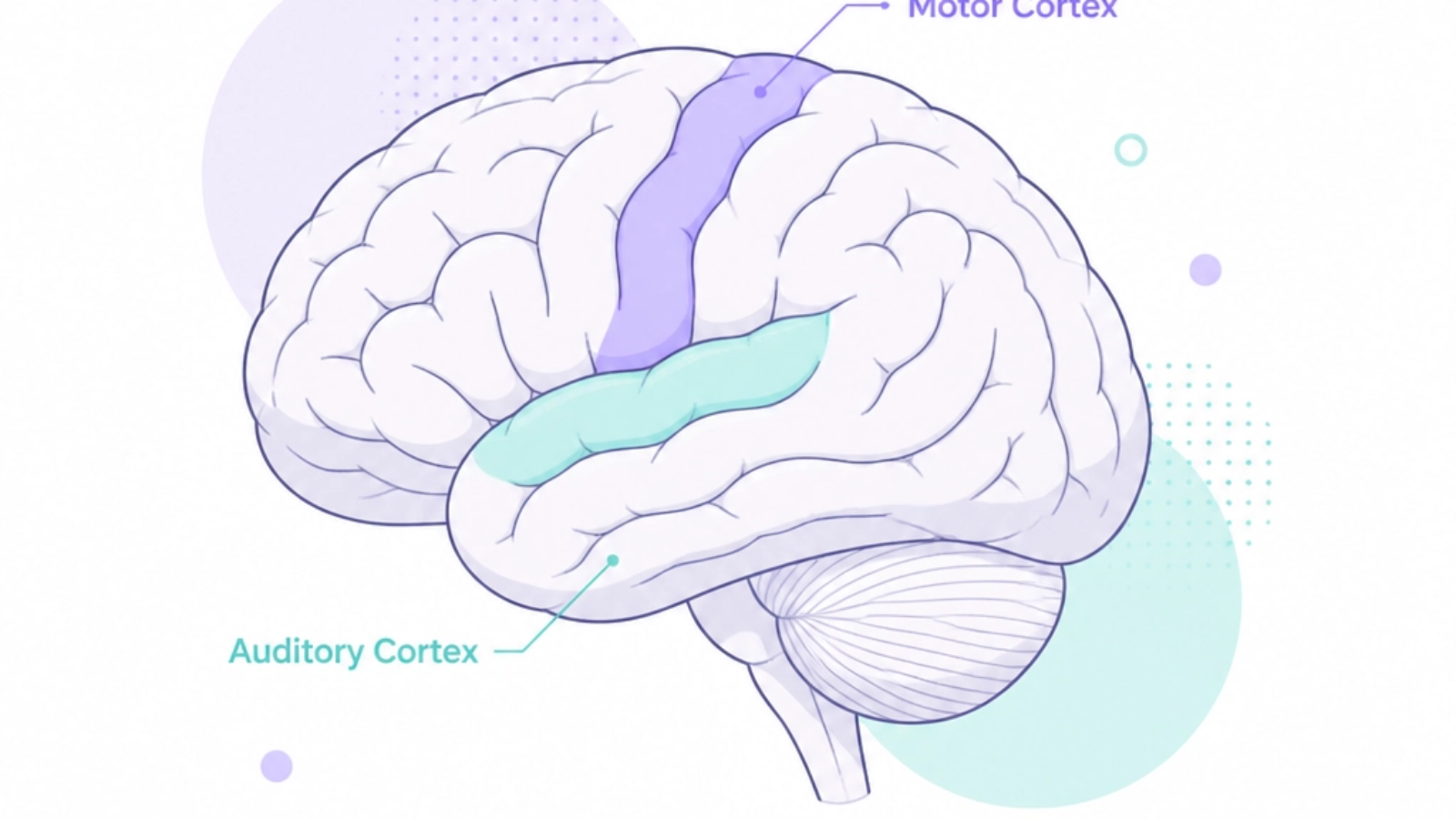
The human brain is a highly dynamic organ capable of significant structural reorganization in response to environmental stimuli and skill acquisition. This phenomenon, known as experience-dependent neuroplasticity, is particularly evident during the early stages of musical instruction. When you engage in beginner piano lessons, you are not merely learning to read notation or coordinate finger movements; you are initiating a complex biological process that physically alters the architecture of your cerebral cortex.
Research in the fields of neuroscience and pedagogy suggests that even short-term musical training can produce measurable changes in gray matter density and white matter connectivity. These adaptations are not reserved for virtuosos but begin to manifest within the first few months of consistent practice. For residents seeking piano lessons Ottawa, understanding the neurological implications of this training provides a scientific basis for the cognitive dividends often associated with music education.
Cortical Thickness and Sensory Reorganization
The cerebral cortex is the outer layer of neural tissue in the brain, responsible for high-level functions such as perception, memory, and voluntary movement. Longitudinal studies have demonstrated that beginner piano lessons drive specific increases in cortical thickness in regions dedicated to motor and auditory processing.
A landmark study by Hyde et al. (2009), published in the Journal of Neuroscience, followed children who participated in fifteen months of weekly keyboard instruction. The researchers utilized structural Magnetic Resonance Imaging (MRI) to track brain development and found that the group receiving instrumental training exhibited greater increases in cortical thickness in the primary motor areas and the auditory cortex (specifically the superior temporal gyrus and Heschl’s gyrus). These structural changes were directly correlated with improved performance in fine motor skills and melodic discrimination tasks.
In the context of beginner piano lessons, the primary motor cortex must adapt to the demand for independent finger control and bimanual coordination. Simultaneously, the auditory cortex undergoes refinement as you learn to distinguish pitch, timbre, and rhythmic patterns. This dual engagement creates a powerful feedback loop that accelerates neural growth.
Strengthening White Matter Connectivity
Beyond the gray matter of the cortex, piano training significantly impacts the white matter tracts that serve as the brain's communication highways. One of the most critical pathways involved is the arcuate fasciculus, which connects the auditory regions with the motor and frontal areas of the brain. Efficient communication between these nodes is essential for the real-time translation of visual symbols (music notation) into physical gestures and the subsequent monitoring of the acoustic output.
Furthermore, the corpus callosum: the massive bundle of nerve fibers connecting the left and right hemispheres: shows increased integrity in individuals who begin musical training early. This allows for faster interhemispheric transfer of information, which is a prerequisite for the complex bimanual independence required in piano performance. Whether you are participating in kids music lessons Ottawa or starting as an adult, the physical strengthening of these neural bridges facilitates more efficient global brain function.

Cognitive Reserve and Neuroprotection in Aging
The benefits of rewiring the cerebral cortex are not limited to the developmental years. Recent clinical trials indicate that beginner piano lessons serve as a potent tool for building cognitive reserve in older adults. Cognitive reserve refers to the brain's ability to improvise and find alternate ways of getting a job done, which can help buffer against age-related cognitive decline.
A 2022 study by Rogenmoser et al., published in Frontiers in Aging Neuroscience, examined the effects of six months of piano training on healthy, musically naïve elderly adults. The results showed that piano instruction helped stabilize white matter microstructure in the fornix, a tract crucial for episodic memory that typically declines with age. The study concluded that the structural preservation observed in the piano group was proportional to the amount of time spent practicing. This evidence suggests that music lessons Ottawa can serve as a non-pharmacological intervention to support long-term brain health and executive function.
Multimodal Integration and Scaffolding
Learning the piano is a prime example of multimodal integration, requiring the simultaneous processing of visual, auditory, and somatosensory information. This complexity provides a unique form of scaffolding for the brain, where simpler neural pathways are used as a foundation for more complex cognitive structures.
- Visual-Spatial Processing: You must decode two staves of music simultaneously, translating spatial positions on the page to horizontal positions on the keyboard.
- Somatosensory Mapping: Your brain develops a precise map of the keyboard, allowing for proprioceptive feedback and fine motor execution without constant visual confirmation.
- Auditory-Motor Feedback: The prefrontal cortex monitors the sound produced, comparing it to the intended target and making instantaneous adjustments to velocity and timing.
For those interested in music theory lessons online, these cognitive demands are further reinforced by the analytical understanding of musical structures. Understanding the mathematical relationships between intervals and rhythms provides a logical framework that complements the physical practice of the instrument.

The Advantage of Early Intervention and Bilingual Learning
While the brain remains plastic throughout life, the period of childhood offers a window of heightened sensitivity to musical stimuli. Integrating beginner piano lessons with other forms of instruction, such as online flute lessons or online clarinet lessons, can further diversify the neural adaptations. Each instrument presents unique challenges: such as the respiratory control required for wind instruments or the specific fingerings for ukulele lessons Ottawa: which contribute to a more robust and flexible neural network.
Additionally, at Allegro Ma Non Troppo, the provision of bilingual music lessons adds another layer of cognitive complexity. Bilingualism itself is known to increase gray matter density in the executive control centers of the brain. Combining language acquisition with musical training creates a synergistic effect, enhancing the brain's ability to filter information and switch between tasks efficiently.
Practical Implementation and Studio Environment
The process of rewiring the cerebral cortex requires consistent, structured engagement. Allegro Ma Non Troppo provides an environment designed to optimize these neurological outcomes through specialized support and expert instruction. Whether you choose to visit our Ottawa studio or opt for the flexibility of online learning, our pedagogical approach focuses on the systematic development of skills that drive neural change.
Our logistical structure is designed to accommodate various learning stages and household needs:
- We offer flexible session durations of 30, 45, and 60 minutes to align with individual attention spans and cognitive loads.
- Our Family Plan provides economic incentives for households with three or more members, facilitating a community-focused learning environment.
- Students involved in school bands receive targeted support to improve their technical proficiency and school-based performance.
- Lesson bundles are available at discounted rates to encourage the long-term commitment necessary for structural brain changes to take root.

Summary of Scientific Evidence
The transition from a novice to a functional musician involves a profound transformation of the human nervous system. The evidence from neuroimaging and psychological research confirms that beginner piano lessons:
- Induce region-specific increases in cortical thickness in motor and auditory areas.
- Enhance the microstructural integrity of white matter tracts like the arcuate fasciculus and the corpus callosum.
- Provide neuroprotective benefits that can stabilize memory-related structures in the aging brain.
- Improve executive functions by demanding high levels of multimodal integration and attention.
By choosing flute lessons Ottawa or piano lessons Ottawa at Allegro Ma Non Troppo, you are making a data-driven decision to invest in the long-term structural and functional health of your brain. The scientific community continues to uncover the depth of the relationship between musical practice and neural plasticity, reinforcing the fact that the study of music is one of the most effective ways to optimize human cognitive potential.
Leave A Comment