
 Cart is empty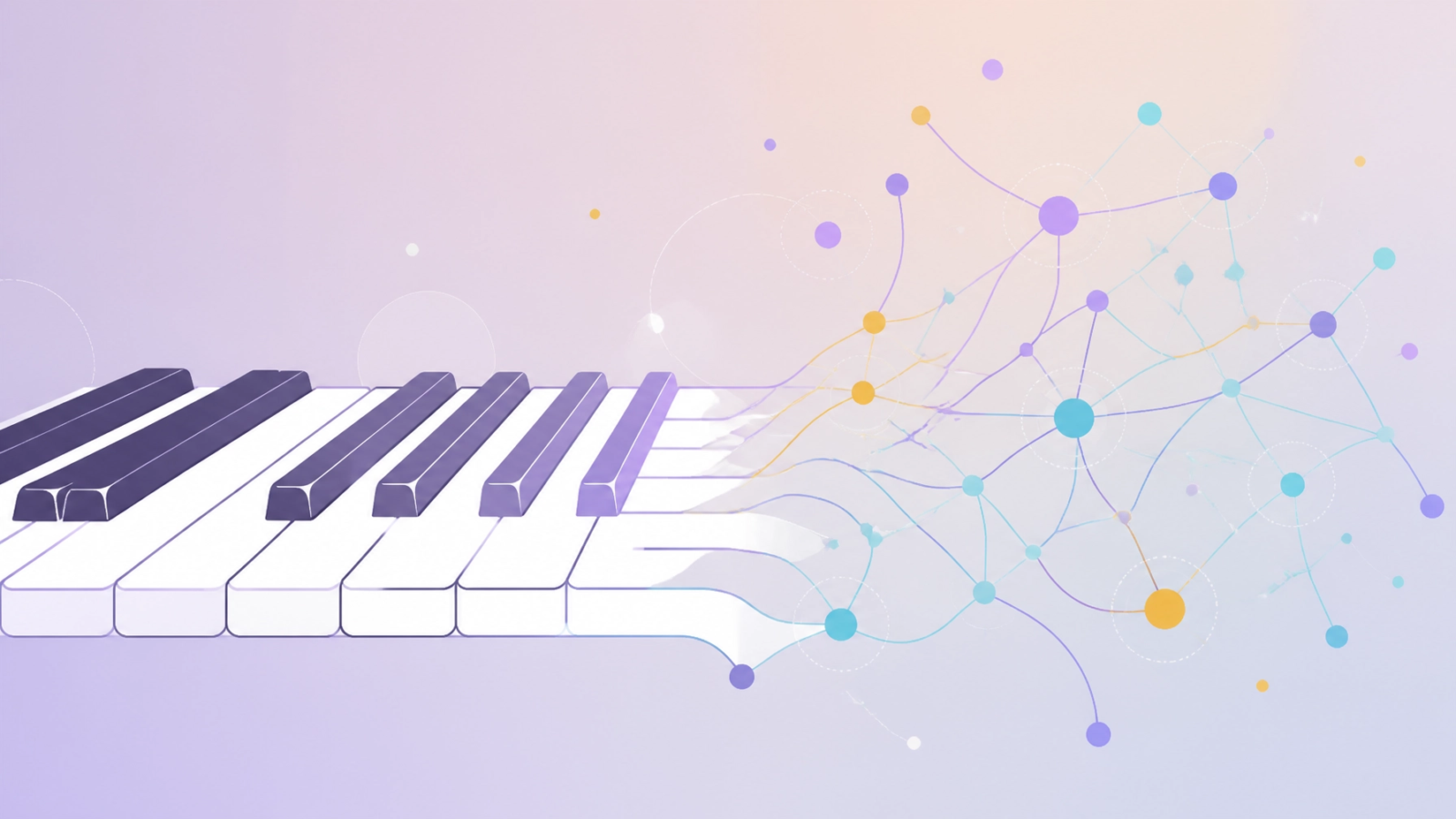
The human brain is characterized by its extraordinary capacity for neuroplasticity, a biological process involving the reorganization of neural pathways in response to new experiences and learning. While various cognitive activities stimulate the brain, few interventions are as comprehensive as beginner piano lessons. Current research in neuroscience indicates that the act of learning a musical instrument, specifically the piano, induces measurable structural changes within the cerebral cortex and associated white matter tracts. These alterations are not merely functional but represent a physical remapping of the brain's architecture, enhancing auditory processing, motor coordination, and executive function.
At Allegro Ma Non Troppo, we approach music education through the lens of developmental pedagogy, recognizing that the transition from novice to proficient player is a biological journey as much as an artistic one. Whether you are seeking piano lessons Ottawa or exploring music theory lessons online, the neurological implications of this training remain a primary focus of our expert-led curriculum.
Neuroplasticity and Cortical Thickness
The cerebral cortex is the outer layer of neural tissue in the brain, responsible for high-level functions such as perception, thought, and voluntary movement. A seminal longitudinal study published in the Journal of Neuroscience by Hyde et al. (2009) investigated the impact of 15 months of instrumental training on six-year-old children. The researchers utilized structural Magnetic Resonance Imaging (MRI) to track changes in brain morphology.
The findings were significant. Children receiving weekly beginner piano lessons demonstrated increased cortical thickness in the primary motor cortex and the auditory regions of the temporal lobe. These structural adaptations correlate directly with the multi-modal requirements of the instrument. In piano performance, the brain must simultaneously process visual information from a score, execute precise motor commands with independent fingers, and monitor auditory feedback to adjust timing and dynamics. This constant feedback loop drives the density of grey matter, providing a structural foundation for improved fine motor skills and auditory discrimination.

Strengthening the Interhemispheric Connection
One of the most profound structural changes observed in piano students involves the corpus callosum, a massive bundle of nerve fibers that facilitates communication between the left and right hemispheres of the brain. Piano playing requires bimanual coordination, where each hand often performs independent rhythmic and melodic tasks. This necessitates a high degree of synchronicity and rapid data transfer across the hemispheres.
The Hyde et al. study noted that after just over a year of training, students showed a significant increase in the size of the corpus callosum compared to a control group. This enhanced connectivity supports more efficient global brain function. It is a critical component of what we emphasize in our kids music lessons Ottawa, where early intervention can optimize these developmental pathways during periods of peak plasticity. Furthermore, these benefits extend beyond childhood; the integration of bimanual tasks serves as a cognitive scaffold for learning other complex skills later in life.
Structural Stabilization in the Aging Brain
While much focus is placed on pediatric development, recent evidence suggests that the adult and elderly brain remains highly receptive to the structural benefits of beginner piano lessons. A 2022 study published in Frontiers in Aging Neuroscience examined the effects of six months of piano training on healthy older adults with no prior musical experience.
The research focused on white matter microstructure, specifically in the fornix: a tract vital for episodic memory and emotional regulation. In the natural aging process, fiber density in the fornix typically declines. However, the study found that the group engaged in piano training demonstrated stabilization of these white matter structures. In contrast, the control group, which engaged only in music listening, showed the expected age-related decline. This suggests that the active engagement required by piano lessons provides a neuroprotective effect, potentially delaying the onset of cognitive decline. For families in the community interested in our bilingual music lessons, this research underscores that it is never too late to begin a musical journey that fosters cognitive longevity.

Auditory Processing and Language Syntax
The structural changes induced by piano training are not confined to the motor and visual domains. The auditory cortex undergoes significant specialization to handle the nuances of pitch, timbre, and duration. Research indicates that the brain's ability to parse musical syntax: the rules governing the arrangement of notes: shares overlapping neural circuits with the processing of verbal syntax in language.
This cross-domain plasticity is a key reason why we integrate music theory lessons online into our broader curriculum. By understanding the structural logic of music, students refine their auditory processing capabilities. Studies from institutions like MIT have shown that musicians possess superior frequency perception, which translates into an enhanced ability to distinguish speech in noisy environments. This is particularly relevant for those taking flute lessons Ottawa or online flute lessons, where pitch control and breath management require heightened auditory sensitivity.
Executive Function and the Prefrontal Cortex
The prefrontal cortex is the seat of executive function, encompassing working memory, inhibitory control, and cognitive flexibility. Learning the piano is essentially a high-stakes exercise in executive management. A student must keep the upcoming measure in their working memory while executing the current one, all while inhibiting the urge to play incorrect notes.
Functional and structural imaging has identified the lateral prefrontal cortex as a central hub during music production. Repeated engagement of this region leads to improved "top-down" regulation of cognitive processes. This means that piano lessons Ottawa do more than teach a song; they train the brain to plan, focus, and execute complex tasks with higher efficiency. This benefit is visible across all ages, from the young student in school band support to the professional adult seeking a cognitive challenge.

Practical Application and Accessibility
At Allegro Ma Non Troppo, we utilize these scientific insights to provide a superior learning environment. Our bilingual instruction in English and Spanish ensures that the cognitive benefits of music are accessible to the diverse community of Ottawa. We offer a structured approach that respects the biological timeline of learning, moving from conscious gesture to automaticity.
Our lessons are designed to be flexible and supportive of your personal goals. We offer various scheduling options to accommodate the modern family:
- 30 minute lessons: ideal for young beginners focusing on foundational motor skills.
- 45 minute lessons: recommended for intermediate students deepening their understanding of theory and technique.
- 60 minute lessons: best for advanced students and those preparing for specialized auditions or exams.
We also offer significant savings through our lesson bundles and family plan. For example, our standard individual lesson rate of $45 is reduced to $40 $38 per lesson when purchased as part of a 10-lesson bundle. Our Family Plan provides additional savings for households with three or more members enrolled, making high-quality music education more sustainable for the community.
Environmental Advantages of the Ottawa Studio and Online Learning
The physical environment in which learning occurs is a critical factor in neural consolidation. Our Ottawa studio provides a professional, focused space free from the distractions of the home. Conversely, our online lessons offer the comfort of a familiar environment, which can reduce the stress hormone cortisol, thereby facilitating a more receptive state for learning. Whether you choose ukulele lessons Ottawa or online clarinet lessons, our master-level teachers apply the same evidence-based scaffolding techniques to ensure your progress is measurable and consistent.
The integration of multisensory learning: visual, auditory, and kinesthetic: is at the core of our methodology. This multimodal approach ensures that the structural changes in your brain are robust and long-lasting.

Conclusion
The evidence from contemporary neuroscience is clear: beginner piano lessons are a potent catalyst for structural brain development. By increasing cortical thickness, strengthening interhemispheric connectivity, and providing neuroprotective benefits, piano training optimizes the brain's functional capacity across the lifespan. At Allegro Ma Non Troppo, we are committed to providing expert, research-backed instruction that resonates with your cognitive and creative potential.
Leave A Comment