
 Cart is empty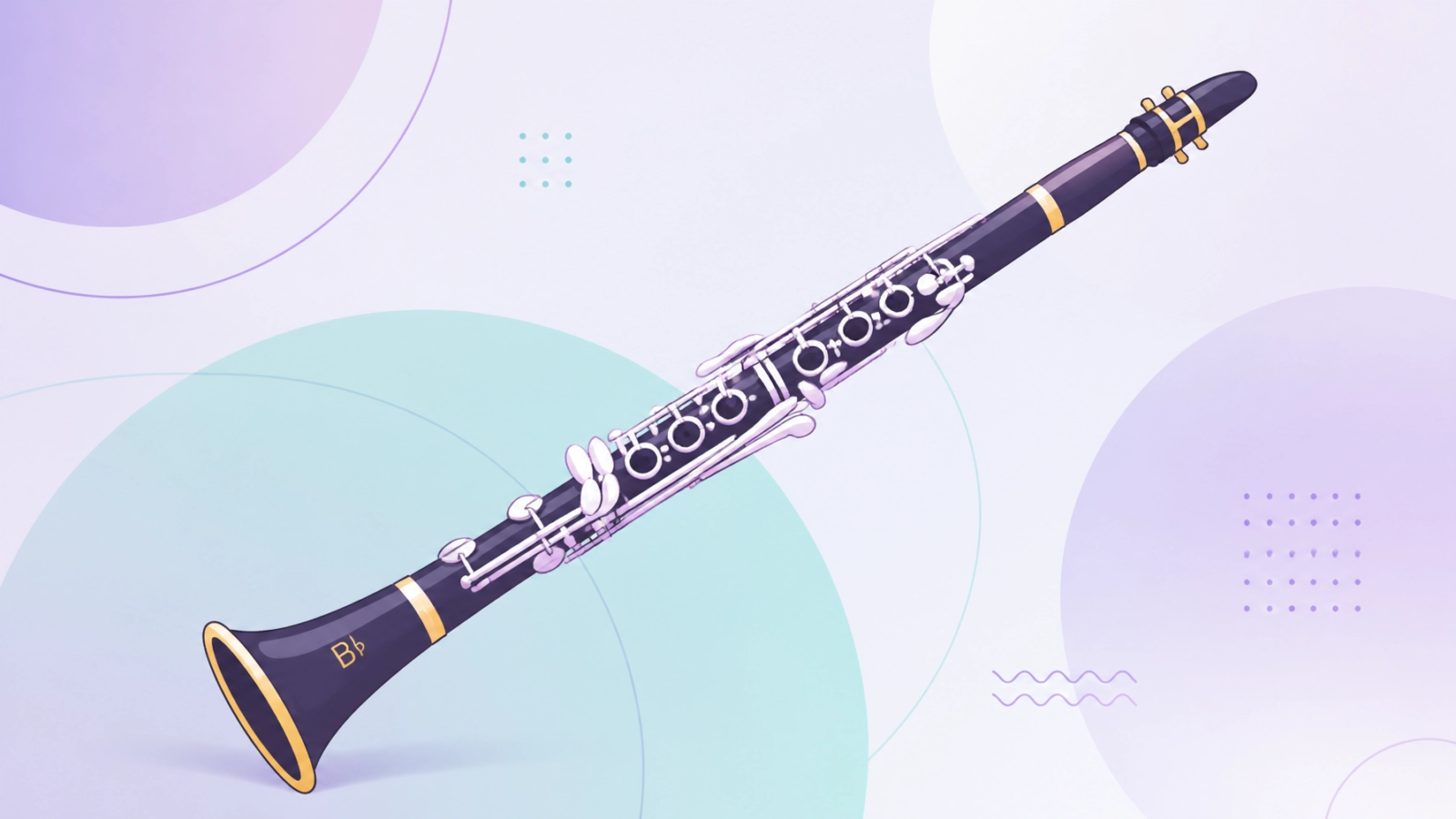
The pursuit of musical excellence through the clarinet is more than an aesthetic endeavor; it is a rigorous exercise in cognitive and physiological development. For students entering school band programs across Ottawa, the B-flat soprano clarinet serves as a foundational instrument that bridges the gap between introductory music theory and advanced orchestral performance. At Allegro Ma Non Troppo, our pedagogical approach prioritizes evidence-based learning strategies that ensure students are not only prepared for their school ensembles but are also benefiting from the profound neurological advantages of instrumental training.
Whether you are navigating the requirements of the Ottawa-Carleton District School Board (OCDSB) or the Ottawa Catholic School Board (OCSB), mastery of the clarinet requires a structured framework. This guide examines the scientific benefits of clarinet study, technical milestones for band success, and the logistical steps necessary to excel in the local Ottawa musical community.
Neural Plasticity and Auditory Processing
The act of learning the clarinet triggers significant changes in the brain's architecture, a phenomenon known as neural plasticity. Research in neuroscience indicates that music training accelerates the maturation of the auditory pathway. This maturation is critical for distinguishing between subtle variations in pitch and timbre, which directly correlates to improved speech perception and literacy skills in children and adolescents.
When a student engages in clarinet lessons Ottawa, they are training their brain to process complex auditory data with high efficiency. This efficiency extends beyond the music room; students who study woodwind instruments often demonstrate superior performance in reading and verbal memory. The dual task of translating visual notation (the staff) into precise motor movements while simultaneously monitoring auditory feedback creates a robust cognitive loop that strengthens the connections between the left and right hemispheres of the brain.

Fine Motor Scaffolding and Technical Dexterity
The clarinet is unique among woodwinds for its expansive range and the complexity of its fingering system. Unlike the flute or the saxophone, the clarinet requires the player to cover open tone holes with the pads of their fingers, demanding a high degree of tactile sensitivity and fine motor coordination.
We utilize a concept known as instructional scaffolding to help students master these complexities. By breaking down the Boehm fingering system into manageable components, we help students build a solid technical foundation. This process enhances manual dexterity and eye-hand coordination. The precision required to seal a tone hole perfectly: ensuring no air leaks: teaches students the value of technical accuracy and patience. This motor skill development is a transferable asset, aiding in tasks that require high-level coordination and focus.
For those interested in the underlying mechanics of music, our music theory lessons Ottawa provide the necessary theoretical framework to understand why these technical exercises are essential for advanced repertoire.

Respiratory Control and Executive Function
Playing a wind instrument like the clarinet is an athletic feat for the respiratory system. It requires the development of diaphragmatic breathing and exceptional breath support. From a psychological perspective, this control over breathing is closely linked to executive function: the mental processes that enable us to plan, focus attention, remember instructions, and juggle multiple tasks successfully.
Regulating the airflow into the instrument to produce a consistent, resonant tone requires the student to engage in constant self-monitoring and adjustment. This practice of "mindful breathing" has been shown to reduce stress and improve concentration. In the context of a school band, where a clarinetist must maintain their part while listening to the rest of the ensemble, the demand on executive function is immense. Students learn to suppress distractions and maintain a steady rhythmic pulse, skills that are vital for academic success and emotional regulation.

Strategic Preparation for Ottawa School Bands
Success in the Ottawa school band system begins with being properly equipped and prepared. Most middle school programs in the region start in Grade 6 or 7, and the clarinet is a staple of these ensembles. To ensure a seamless transition into the band environment, we recommend students focus on the following technical and logistical milestones:
- Instrument Selection: Most beginners should start on a high-quality B-flat soprano clarinet. Many local Ottawa retailers offer rental programs for student-model instruments.
- Essential Supplies: Every student must have a supply of reeds (size 2 or 2.5 for beginners), cork grease, a cleaning swab, and a dedicated music stand for home practice.
- Technical Milestones: Before the first day of band, students should be comfortable with instrument assembly, basic embouchure (mouth position), and the production of a clear "long tone" in the lower register.
- Bilingual Proficiency: For students in French Immersion or Spanish-speaking families, we offer bilingual instruction. Our lessons are available in English and Spanish (clases de clarinete en español), ensuring that technical terminology is understood across languages.
By mastering these elements early, students can focus on the collaborative aspects of band, such as blend and balance, rather than struggling with basic mechanics.
Instructional Framework and Pricing Transparency
At Allegro Ma Non Troppo, we believe in a transparent and structured approach to music education. Our clarinet program is designed to accommodate various levels of commitment and goals, from the casual hobbyist to the aspiring professional. We offer flexible scheduling and competitive pricing to ensure that high-quality music education is accessible to the Ottawa community.
Our lesson plans are structured as follows:
- Single Trial Lesson: $35 (A risk-free opportunity to assess student-teacher compatibility).
- 30-Minute Weekly Lessons: Ideal for younger beginners focusing on core technical foundations.
- 45-Minute Weekly Lessons: Recommended for intermediate students preparing for RCM exams or school band auditions.
- 60-Minute Weekly Lessons: Best for advanced students and adults seeking an in-depth exploration of repertoire and theory.
We are committed to providing value through our lesson bundles and specialized plans:
- 5 Lesson Bundle: 5% discount applied to the total.
- 10 Lesson Bundle: 10% discount applied to the total.
- Family Plan: 15% discount for families with 3 or more members enrolled.
- Intro Plan:
Regular Price$140 for 4 weeks of 30-minute lessons (one-time introductory offer).
All lessons are conducted by master-level instructors who provide personalized feedback and creative projects, ensuring that the learning process remains academically rigorous yet engaging.

The Path to Mastery
Mastery of the clarinet is a journey that requires discipline, scientific understanding, and expert guidance. By choosing Allegro Ma Non Troppo, you are investing in a comprehensive education that prioritizes cognitive development and technical excellence. Our studio in Ottawa provides a professional and supportive environment where students of all ages can achieve their musical goals.
Whether you are seeking to improve your performance in a school band, explore the nuances of music theory, or simply enjoy the neurological benefits of learning a new skill, we are here to support your development.
Leave A Comment