
 Cart is empty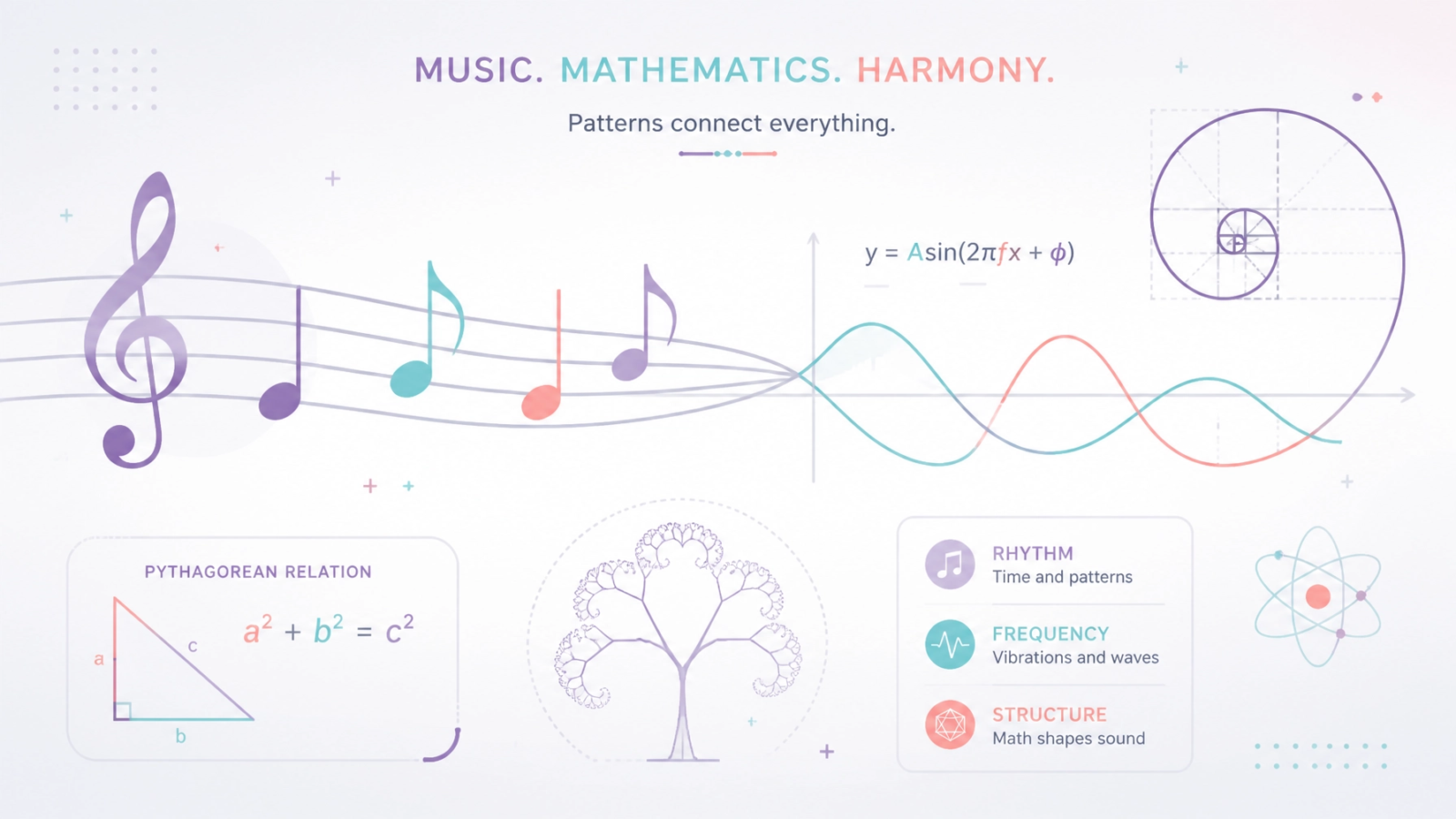
The pursuit of instrumental proficiency is often perceived as a purely physical endeavor, centered on the repetition of motor movements and the refinement of muscle memory. However, pedagogical research and cognitive neuroscience suggest that the integration of music theory into a practice regimen acts as a powerful catalyst for learning acceleration. By understanding the structural and mathematical foundations of sound, you engage higher-order cognitive functions that streamline the transition from novice to expert. At Allegro Ma Non Troppo, we prioritize a comprehensive approach to music lessons in Ottawa, ensuring that every student benefits from the scientific advantages of a theoretical foundation.
The Cognitive Map: How Theory Accelerates Motor Learning
When you begin learning an instrument without theoretical context, your brain treats every note as an isolated event. This creates a high cognitive load, as the prefrontal cortex must manage each individual finger placement and rhythmic value independently. Music theory provides a conceptual scaffolding that transforms these isolated events into predictable patterns. This transition is rooted in the principle of neural plasticity, where the brain reorganizes itself to process information more efficiently.
By studying the relationships between pitches and rhythms, you develop a mental map of the musical landscape. This structural understanding allows for faster auditory processing, as your brain begins to anticipate the next "note" or "harmony" before it is physically executed. Research indicates that students who undergo simultaneous theory and instrumental training show greater connectivity in the corpus callosum, the region responsible for communication between the brain's hemispheres. This enhanced connectivity facilitates the synchronization of visual input (reading notation) and motor output (playing the instrument), leading to a marked increase in learning velocity.

Information Chunking: Reducing Working Memory Load
One of the most significant barriers to rapid musical progression is the limitation of working memory. Most individuals can only retain a few discrete pieces of information at once. In the context of piano lessons, a complex piece of music may contain thousands of individual notes. Attempting to memorize these one by one is an inefficient strategy that often leads to plateaus in development.
Music theory introduces the concept of chunking: the process of grouping individual pieces of information into larger, more manageable units. For example, instead of seeing eight individual notes, a student with theoretical knowledge sees a single G-major scale or a tonic arpeggio. By recognizing these recurring structures, you reduce the strain on your working memory, freeing up cognitive resources for more advanced tasks such as expressive phrasing, dynamic control, and technical precision. This analytical approach is central to our piano lessons in Ottawa, where we teach students to decode the logic behind the keys.
The Symbolic Language: Enhancing Auditory Processing and Literacy
Learning music theory is analogous to learning a second language. It involves the mastery of a symbolic system that represents complex auditory data. This process has profound implications for verbal memory and reading literacy. Studies have shown that children and adults who study music theory demonstrate superior executive function and phonological awareness.
At Allegro Ma Non Troppo, we offer instruction in both English and Spanish (instrucción bilingüe en inglés y español), which further leverages the cognitive benefits of symbolic processing. Whether you are enrolled in music theory lessons or instrumental study, the bilingual environment encourages your brain to remain flexible and adaptive. This linguistic and musical intersection strengthens the neural pathways associated with auditory discrimination, making it easier for you to identify pitch errors and rhythmic inconsistencies in your own playing. This self-correcting mechanism is essential for independent practice and long-term success.

Technical Precision in Woodwinds: Theory as a Scaffolding Tool
For students of the flute and clarinet, music theory serves as a vital tool for achieving technical precision. The physical demands of woodwind instruments: including breath control, embouchure stability, and intricate fingering: require intense focus. Without a strong grasp of rhythm and interval relationships, technical progress can become stagnant.
When you understand the mathematical subdivisions of a beat, your rhythmic execution becomes more precise, reducing the likelihood of "dragging" or "rushing" in an ensemble setting. Furthermore, a theoretical understanding of key signatures and accidentals allows for more fluid sight-reading. In our flute lessons and clarinet lessons, we utilize theory to help students prepare for school band requirements and competitive auditions. By treating the instrument as an extension of theoretical knowledge, you can achieve a level of technical mastery that is both sustainable and scientifically grounded.
Harmonic Frameworks: Accelerating String Proficiency
The ukulele, while often perceived as an entry-level instrument, offers a unique opportunity to explore harmonic theory and introductory strings. Learning the relationships between chords (such as the I-IV-V progression) provides a functional framework for understanding Western music. This knowledge is not merely academic; it has practical applications for improvisation and composition.
By studying the intervals within a chord, you develop a more nuanced sense of intonation and fingerboard geography. This spatial-temporal reasoning is a key component of cognitive development, as it requires the brain to translate abstract pitch relationships into physical distances. Our ukulele lessons emphasize these harmonic structures, ensuring that you are not just memorizing finger shapes, but understanding the acoustic principles that govern the instrument. This foundational knowledge serves as a bridge to more complex string instruments and advanced music theory study.

Comprehensive Support at Allegro Ma Non Troppo
Allegro Ma Non Troppo is dedicated to providing high-level music education that integrates these scientific and cognitive benefits. Our studio in Ottawa, led by Master-level teachers, offers a structured environment designed to optimize your learning trajectory. We understand that flexibility and transparency are paramount for modern families and adult learners.
Our logistical framework includes:
- Bilingual instruction in English and Spanish to support diverse community needs.
- Flexible scheduling with 30, 45, and 60-minute session options.
- A range of delivery methods, including in-person lessons at our Ottawa studio and comprehensive online lessons.
- Specialized support for school band students to enhance academic and ensemble performance.
- The Family Plan, which provides significant savings for three or more household members.
- Discounted lesson bundles for those committed to long-term cognitive and musical growth.
The evidence is clear: music theory is not an optional supplement, but a fundamental requirement for efficient and effective instrumental learning. By engaging with the science of music, you resonate with the patterns of the universe and unlock your full creative potential.

Leave A Comment