
 Cart is empty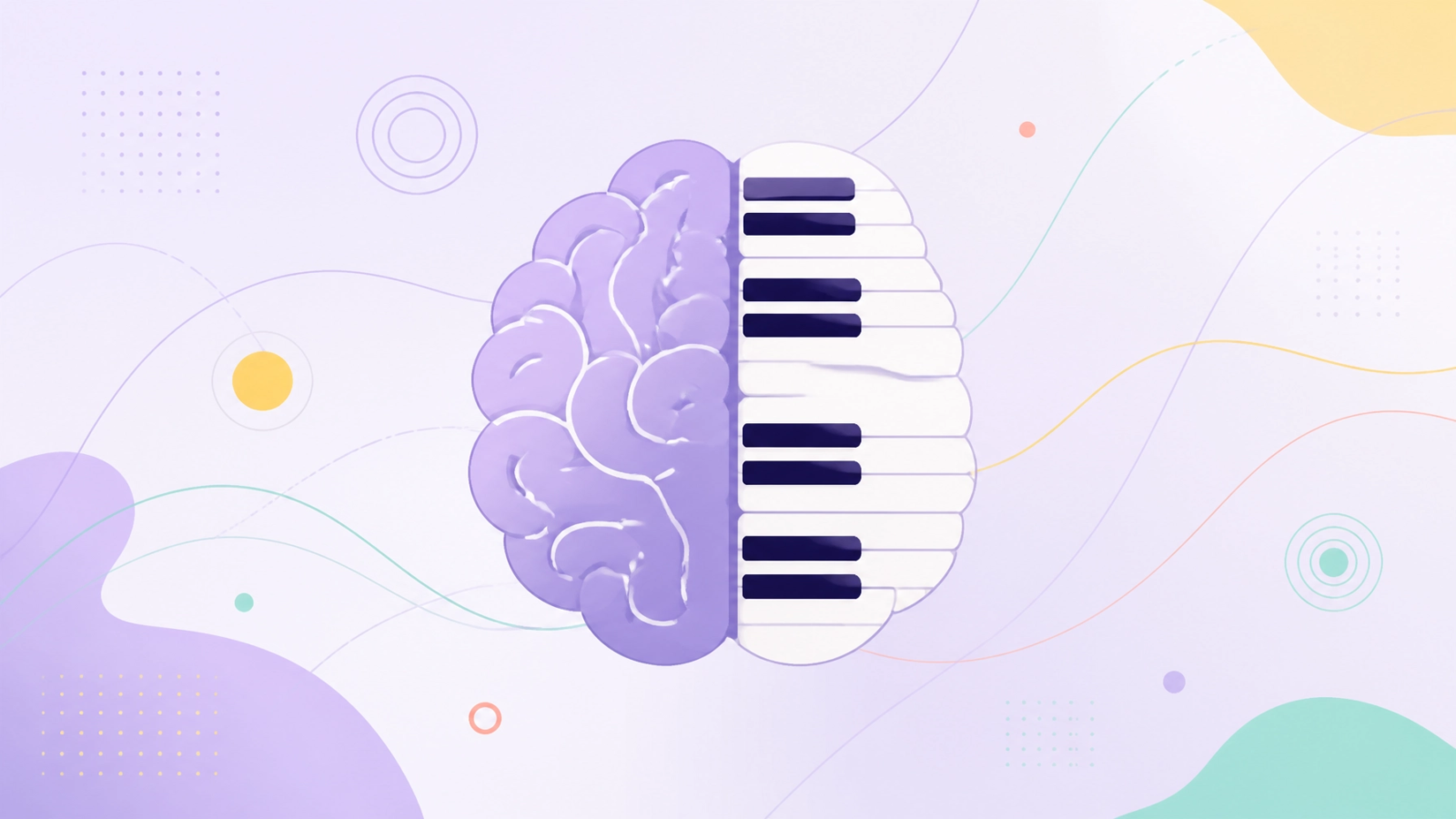
The human brain is a highly adaptive organ, capable of significant structural and functional reorganization in response to complex stimuli. Recent advancements in neuroimaging and cognitive psychology have identified musical training, particularly beginner piano lessons, as a primary catalyst for cortical plasticity. Unlike many other cognitive tasks, playing the piano requires the simultaneous integration of visual, auditory, and motor information, forcing the brain to create and strengthen neural pathways at an accelerated rate.
Research from institutions such as MIT and Harvard University demonstrates that even short-term engagement with a keyboard instrument can lead to measurable changes in the cerebral cortex. This article examines the empirical evidence surrounding the neurological benefits of music education and how these findings resonate with the pedagogical approach used in music lessons Ottawa.
Structural Changes in the Motor and Somatosensory Cortex
The primary motor cortex is responsible for the planning and execution of voluntary movements. When you engage in beginner piano lessons, you are essentially performing a high-level coordination task that requires independent finger dexterity and bimanual synchronization.
A study published in the Journal of Cognitive Neuroscience by researchers at MIT found that individuals who began musical training at a young age exhibited significantly larger gray matter volumes in the sensorimotor and auditory cortices compared to non-musicians. This increase in gray matter is a result of cortical thickening, where the brain allocates more physical resources to the areas responsible for processing the complex motor demands of the instrument.
For students participating in piano lessons Ottawa, these changes are not limited to childhood. Adult novices also show rapid functional reorganization within the motor cortex. Functional Magnetic Resonance Imaging (fMRI) has shown that the cortical maps representing the fingers expand and become more refined after just a few weeks of consistent practice. This process, known as map expansion, is a hallmark of neural plasticity and serves as the biological foundation for muscle memory.

White Matter Integrity and Neural Connectivity
While gray matter refers to the cell bodies where processing occurs, white matter consists of the myelinated axons that connect different brain regions. High-quality connectivity is essential for the rapid transmission of signals across the brain.
Research conducted at Harvard Medical School using Diffusion Tensor Imaging (DTI) has revealed that musical training enhances the integrity of the corpus callosum, the large bundle of nerve fibers that connects the left and right hemispheres of the brain. Because piano playing requires the left hand to perform tasks often independent of the right, the two hemispheres must communicate with extreme efficiency.
This enhanced connectivity is not exclusive to piano. Similar effects are observed in students taking online flute lessons or online clarinet lessons, where breath control and finger coordination must be perfectly synchronized with auditory feedback. The structural strengthening of these pathways optimizes the brain's overall "bandwidth," allowing for faster information processing and improved executive function.
Auditory Processing and Sensorimotor Integration
One of the most profound effects of music theory lessons online is the development of advanced auditory processing. The brain must learn to decode pitch, rhythm, and timbre, then translate that data into a specific physical action on the instrument.
This feedback loop: see a note, play the note, hear the note, and adjust: is a form of sensorimotor integration. Scaffolding this learning process through expert instruction ensures that the brain builds a robust internal model of sound. Studies show that musicians have a more developed auditory cortex, which allows them to better distinguish speech in noisy environments, a benefit that is particularly relevant for those enrolled in bilingual music lessons.
The ability to process multiple streams of information simultaneously is a cognitive skill that transfers to other academic areas. Whether you are exploring flute lessons Ottawa or clarinet lessons Ottawa, the neurological demand for precision in timing and frequency perception refines the brain's temporal processing capabilities.

Cognitive Reserve and Executive Function
The benefits of beginner piano lessons extend beyond the music studio and into the realm of executive function. This includes working memory, cognitive flexibility, and inhibitory control.
Engaging with a musical instrument requires constant monitoring of one's performance and the ability to correct errors in real-time. This activates the prefrontal cortex, the area of the brain associated with complex decision-making. For families seeking kids music lessons Ottawa, this means that musical training acts as a form of "brain gym" that prepares students for the rigors of formal education and logical-mathematical reasoning.
Furthermore, learning a new skill such as the ukulele through ukulele lessons Ottawa has been shown to reduce cortisol levels and improve mood regulation. The combination of cognitive challenge and sensory engagement provides a unique neurobiological profile that promotes long-term mental health and cognitive reserve, protecting the brain against age-related decline.
Educational Logistics and Accessibility
Allegro Ma Non Troppo provides specialized music education designed to maximize these neurological benefits. Our curriculum is grounded in pedagogical excellence and offers flexible options for students in Ottawa or those learning globally via our online platform.
We offer various lesson durations to accommodate different developmental stages and schedules:
- 30-minute lessons: Ideal for young children and beginners building foundational attention spans.
- 45-minute lessons: Recommended for intermediate students focusing on technical proficiency.
- 60-minute lessons: Suited for advanced students and adults seeking in-depth study.
Our pricing structure is designed for transparency and community accessibility:
- Trial Lesson:
Regular price$0 (Free) - Single 30-minute Lesson: $35
- Single 45-minute Lesson: $50
- Single 60-minute Lesson: $65
For families committed to long-term cognitive development, we offer a Family Plan. Families with 3 or more members enrolled receive a discount, reducing the cost of each lesson to help sustain consistent training over time. Whether you are interested in flute, clarinet, piano, or music theory, our Master-level teachers provide bilingual instruction in English and Spanish, further enhancing the cognitive advantages of your musical journey.

The evidence is clear: the brain's architecture is fundamentally altered by the pursuit of musical mastery. By engaging in structured piano lessons, you are not just learning a new hobby; you are actively re-engineering your cerebral cortex for higher efficiency and long-term health.
Leave A Comment