
 Cart is empty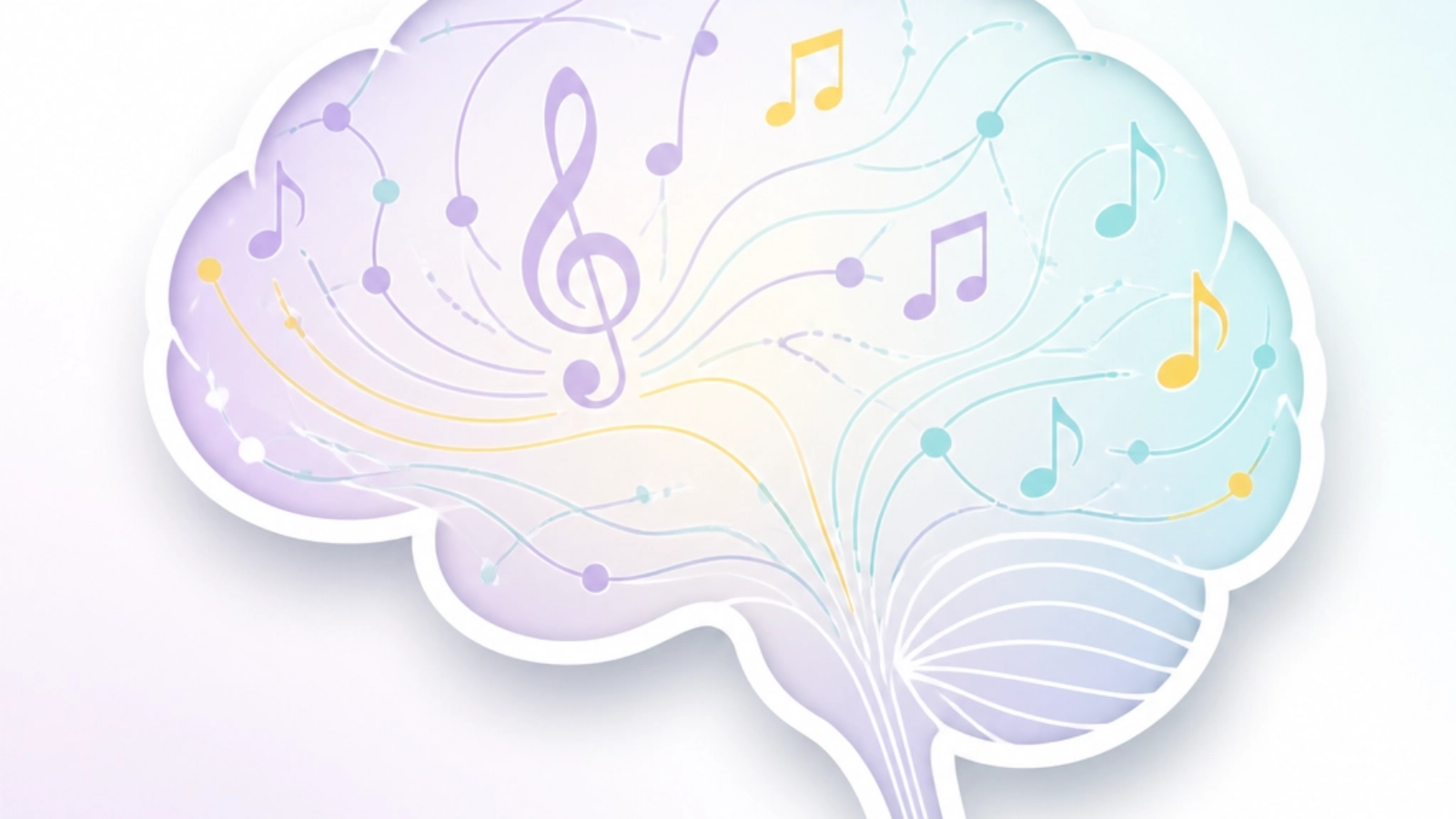
The intersection of linguistics and acoustics represents one of the most cognitively demanding environments for the human brain. When you engage in bilingual music lessons, you are not merely learning a new hobby or a second language; you are participating in a complex process of neural reorganization. Recent advancements in cognitive neuroscience have elucidated how the brain processes sound and syntax, revealing that the neural circuitry required for musical fluency and linguistic proficiency is deeply interconnected. This article explores the scientific foundations of why bilingual music instruction provides a superior framework for cognitive development, focusing on auditory processing, executive function, and neural plasticity.
The Shared Neural Architecture of Music and Language
For decades, researchers believed that music and language were processed in separate, localized regions of the brain. However, modern neuroimaging techniques such as functional Magnetic Resonance Imaging (fMRI) have demonstrated that these domains share a significant amount of neural real estate. Both music and language require the brain to segment a continuous stream of sound into discrete, meaningful units: phonemes in language and notes or intervals in music.
This shared architecture means that when you practice an instrument such as the flute or clarinet, you are simultaneously refining the networks used for speech perception. The brain utilizes the same mechanisms for tracking the temporal structure of a sentence as it does for the rhythmic structure of a musical phrase. In a bilingual environment, this effect is magnified. Your brain must differentiate between two distinct phonological systems while also navigating the pitch and timbre of an instrument. This dual-stream processing forces the brain to develop more efficient neural pathways, a phenomenon known as neural plasticity.
Enhancing Auditory Processing through Bilingual Instruction
Auditory processing is the brain’s ability to interpret and organize sound information. It is the foundational sensory system for both communication and learning. In the context of bilingual music lessons, the brain is tasked with a higher level of auditory discrimination. You must learn to identify the subtle differences in vowel sounds between English and Spanish while also discerning the intonation and pitch accuracy of your performance.
Research indicates that individuals with musical training exhibit enhanced brainstem responses to speech sounds. This means the brain becomes more adept at extracting signal from noise. For students in Ottawa, where bilingualism is a community standard, this translates to improved communication skills in noisy environments, such as a classroom or a professional setting. By engaging in music theory lessons online or in-person, you provide your brain with the structural framework needed to decode complex acoustic signals with greater precision.

Cognitive Advantages and Executive Function
Executive function refers to a set of cognitive processes that include working memory, inhibitory control, and cognitive flexibility. These are the mental skills that allow you to manage time, pay attention, and switch between tasks effectively. Both bilingualism and music training are renowned for their ability to strengthen these functions, but their combination creates a synergistic effect.
In a bilingual music lesson, you are constantly exercising inhibitory control. You must suppress the urge to use the non-target language while focusing on the motor requirements of your instrument. For example, during piano lessons Ottawa, your brain manages the simultaneous input of reading music notation, executing finger movements, and processing verbal instructions in a second language. This type of scaffolding: where the instructor provides support that is gradually removed as you gain proficiency: builds robust cognitive reserves.
- Working Memory: The ability to hold and manipulate information over short periods is essential for memorizing musical scores and linguistic vocabulary.
- Inhibitory Control: The capacity to stay focused on a specific task and ignore distractions is sharpened by the precision required in musical performance.
- Cognitive Flexibility: Switching between different musical styles or languages requires the brain to adapt quickly to new rules and structures.
The Role of Stringed Instruments in Neural Plasticity
Instruments such as the ukulele offer unique benefits for motor coordination and tactile feedback. When you participate in ukulele lessons Ottawa, you are engaging in fine motor tasks that require precise pressure and timing. The tactile sensation of the strings, combined with the auditory feedback of the notes, creates a multimodal learning experience.
From a neurological perspective, this strengthens the connections between the primary motor cortex and the auditory cortex. Because the ukulele is often used as an introductory instrument, it serves as an excellent tool for younger students to begin developing the neural networks that will later support more complex instruments or more advanced linguistic studies. The simplicity of the instrument allows the brain to focus more resources on the bilingual aspect of the instruction, facilitating a smoother transition into more demanding academic subjects.

Online Learning and Environmental Adaptability
The shift toward online music education has provided researchers with a wealth of data regarding how the brain adapts to digital learning environments. Engaging in online flute lessons or music theory lessons online requires a different set of attentional resources. You must be more attuned to visual cues and the quality of digital sound, which can further enhance your auditory processing capabilities.
Allegro Ma Non Troppo provides a structured approach to this digital transition, ensuring that the scientific benefits of bilingual instruction are maintained regardless of the medium. The comfort of learning from a home environment can reduce the cognitive load associated with travel and new surroundings, allowing more neural energy to be directed toward the lesson content itself. This flexibility is particularly beneficial for adult learners who may be balancing professional responsibilities with a desire for cognitive enrichment.
Structural Integration of Music Theory
Music theory is often described as the grammar of music. Just as a language has rules for syntax and morphology, music has rules for harmony, melody, and rhythm. Studying music theory provides a cognitive scaffold that helps the brain organize musical information more logically.
When this study is conducted in a bilingual format, it reinforces the concept of abstract rule systems. You begin to see patterns and structures that are common to both the Spanish and English languages as well as the musical staff. This high-level cognitive processing is a key driver of academic performance, as it trains the brain to handle complex, symbolic information across multiple domains.

Logistical Framework and Transparency
The pursuit of cognitive development through music should be accessible and clearly structured. Allegro Ma Non Troppo utilizes an evidence-based approach to lesson planning and scheduling, ensuring that every session is optimized for the student's specific goals. The bilingual instruction is provided by Master-level teachers who understand the nuances of both the English and Spanish languages.
The following pricing and bundle options are designed to support long-term commitment, which is essential for achieving measurable neural changes:
- Individual Lesson (30 minutes): $35
- Individual Lesson (45 minutes): $50
- Individual Lesson (60 minutes): $65
- 10-Lesson Bundle (30 min):
$350$315 (10% savings) - 10-Lesson Bundle (45 min):
$500$450 (10% savings) - 10-Lesson Bundle (60 min):
$650$585 (10% savings) - Family Plan: Additional savings are available for families with 3 or more members enrolled in the program.
All prospective students are invited to experience our methodology through a free trial lesson. This allows for an initial assessment of your current auditory processing level and musical goals without any initial financial commitment.
Conclusion
The neuroscience is clear: the combination of music and bilingualism is a potent catalyst for brain development. By engaging in bilingual music lessons, you are leveraging the shared neural networks of language and sound to enhance your auditory processing, strengthen your executive function, and promote lifelong neural plasticity. Whether you are seeking piano lessons Ottawa for your child or online flute lessons for yourself, the cognitive benefits of this dual-discipline approach are profound and scientifically validated.

Leave A Comment