
 Cart is empty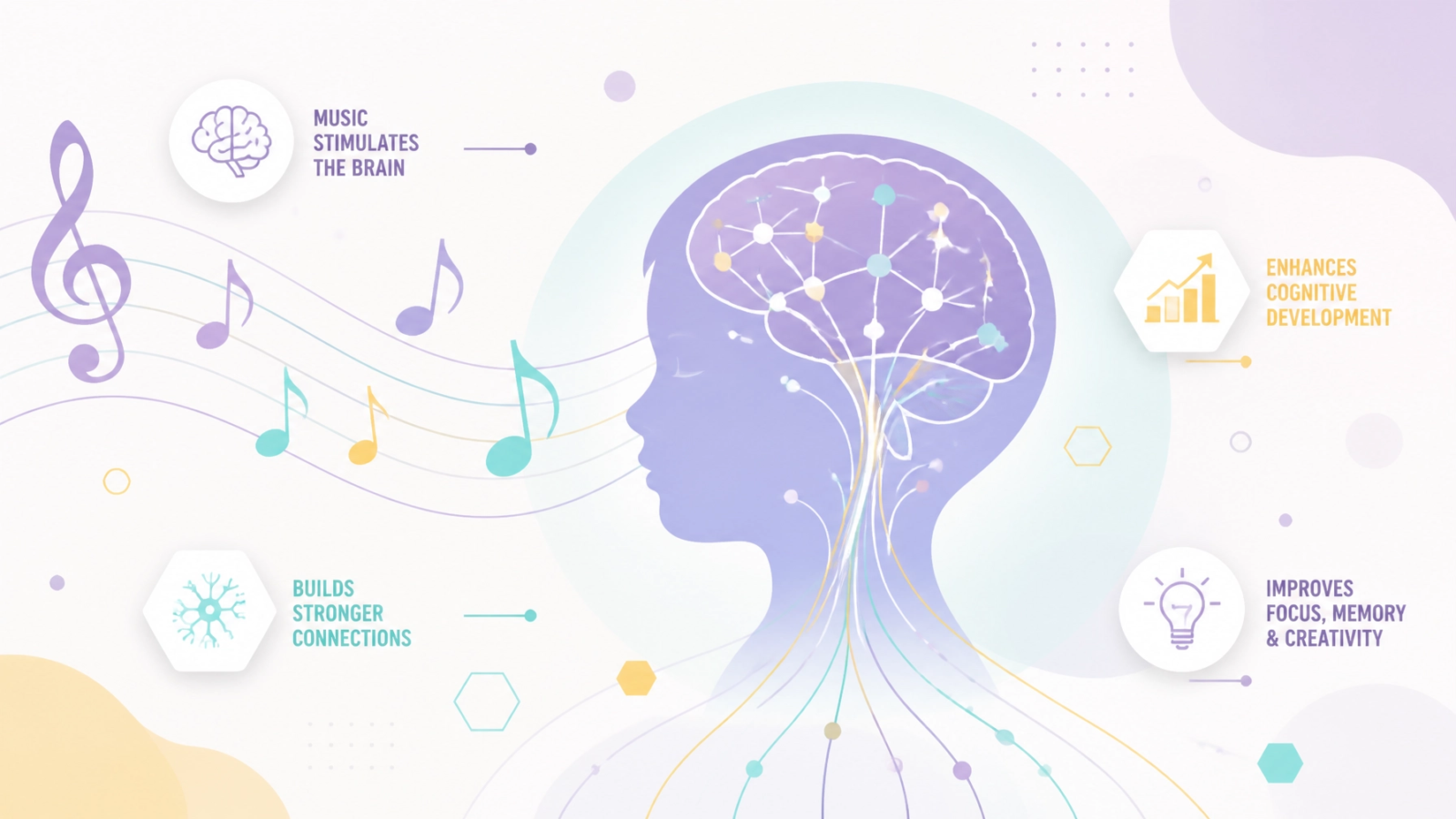
The selection of a music education provider is more than a recreational choice; it is an investment in the cognitive architecture of the learner. In the Ottawa corridor, where educational standards are high, understanding the scientific mechanisms behind skill mastery is essential for parents and adult students alike. Music training is a unique neurobiological stimulant that enhances neural plasticity, the brain's ability to reorganize itself by forming new neural connections throughout life. When evaluating music lessons in Ottawa, one must consider how different instruments and pedagogical approaches facilitate executive function, auditory processing, and motor skills.
The Cognitive Architecture of Instrument Selection
Choosing an instrument involves matching a student’s current developmental stage with the specific neurological demands of the tool. Every instrument offers a unique set of sensory-motor challenges that stimulate different regions of the brain. At Allegro Ma Non Troppo, our master-level teachers utilize pedagogical scaffolding to ensure that students are not merely mimicking sounds but are building a robust foundation of musical understanding.
Whether you are considering piano lessons in Ottawa for a beginner or specialized flute lessons in Ottawa for a school band student, the goal remains the same: the optimization of cognitive load to ensure steady progress. The choice of instrument should be guided by the specific cognitive and physical benefits you wish to target.
Woodwinds: The Physics of Breath and Technical Precision

Woodwind instruments, specifically the flute and clarinet, require a sophisticated level of breath control and body awareness. The science of woodwind performance is rooted in respiratory efficiency and fine-grained auditory attention.
- Flute: Learning the flute involves mastering a precise embouchure to direct air across the tone hole. This process enhances sustained attention and requires a high degree of technical precision. Research indicates that the breath control required for the flute can reduce cortisol levels and improve emotional regulation, which indirectly supports executive function.
- Clarinet: The clarinet lessons Ottawa residents access through our studio focus on the complexities of reed vibration and finger dexterity. Clarinetists must manage a complex system of keys and tone holes, which strengthens the neural circuits underlying error monitoring and strategy use.
For students participating in local school bands, the woodwind family offers a direct path to ensemble preparation. The ability to harmonize within a group setting requires advanced auditory processing, as the student must monitor their own pitch while simultaneously integrating the sounds of the surrounding musicians.
Piano: The Neuroscience of Bimanual Coordination

The piano is often cited in pedagogical research as one of the most effective tools for developing bimanual coordination. Unlike many other instruments, the piano requires the independent yet synchronized use of both hands, often performing different rhythmic and melodic patterns simultaneously.
This demand for coordination challenges the motor planning centers of the brain and encourages inter-hemispheric communication. Furthermore, piano students must process two different staves of notation: the treble and bass clefs: which enhances visual working memory and visuospatial attention. Our beginner piano lesson plan is designed to introduce these concepts through a structured, evidence-based approach that ensures long-term retention.
Ukulele: Harmonic Scaffolding and Introductory Strings
For younger students or those seeking an accessible entry point into string instruments, the ukulele serves as an excellent tool for introductory harmonic scaffolding. The ukulele lessons we offer emphasize pattern recognition and the structural foundations of music.
The physical requirements of the ukulele are less demanding than the piano or woodwinds, allowing the student to focus on the logical relationship between chords and scales. This builds the foundational cognitive skills necessary for more complex stringed instruments later in their educational journey.
The Accelerator: Music Theory and Logical Reasoning

While instrumental practice develops motor skills, music theory lessons serve as the cognitive accelerator for musical mastery. The study of theory involves abstract reasoning about hierarchical structures, such as chord progressions and rhythmic groupings.
- Pattern Recognition: Theoretical study trains the brain to recognize, store, and manipulate musical patterns, which is associated with stronger analytical and mathematical thinking.
- Rule-Based Reasoning: Learning the constraints of harmony and counterpoint parallels the demands placed on working memory in other academic domains.
- Accelerated Learning: Students who understand the "why" behind the notes often progress faster on their primary instrument, as they are able to chunk information and anticipate musical structures.
Our music theory lessons Ottawa services are designed to complement instrumental training, providing the scientific context that turns practice into mastery.
Ottawa Studio vs. Online: Environmental Factors in Learning
The environment in which learning takes place significantly impacts the efficacy of music instruction. Allegro Ma Non Troppo offers both in-person instruction at our Ottawa studio and online lessons to address the logistical needs of modern families.
- In-Person Studio: Physical presence allows for immediate tactile feedback and a more nuanced observation of posture and technique. Our Ottawa studio provides a specialized environment free from the distractions of the home, which is ideal for students who require high levels of focused attention.
- Online Learning: This modality offers unparalleled flexibility and comfort. For many students, the reduced stress of learning in a familiar environment can lead to better cognitive engagement. Our instructors utilize digital tools to maintain the same high standard of bilingual instruction available in person.
Bilingual Instruction: The Cognitive Advantage
Our services are offered in both English and Spanish (instrucción bilingüe en inglés y español). Scientific research suggests that bilingualism enhances cognitive flexibility and executive control. By receiving music instruction in a second language, students are forced to engage in extra neural processing, which can further strengthen the brain's executive functions. This community-focused approach ensures that our programs are accessible and beneficial to the diverse population of Ottawa.
Logistics and Economic Efficiency
Transparency in pricing and scheduling is a hallmark of a professional academy. We provide flexible options to ensure that music education is an accessible investment for all families.
- Trial Lesson: We offer a free trial lesson to allow for an initial assessment without commitment.
- Individual Lesson Rates:
- 30 Minutes: $35.00
- 45 Minutes: $52.50
- 60 Minutes: $70.00
- Lesson Bundles (10% Savings):
- 5 Lessons (30 min):
$175.00$157.50 - 10 Lessons (30 min):
$350.00$315.00
- 5 Lessons (30 min):
- Family Plan: We offer specialized savings for families with three or more members enrolled, ensuring that the collective cognitive benefits of music are available to the entire household.
You can explore our various music lesson plans to find the structure that best fits your goals.
Conclusion
The pursuit of musical mastery is a journey of cognitive and technical development. By selecting an academy that prioritizes master-level instruction and scientifically grounded pedagogy, you ensure that the time invested in practice yields the maximum cognitive return. Whether through the breath control of the flute, the coordination of the piano, or the logical structures of music theory, Allegro Ma Non Troppo provides the expertise necessary to navigate the complexities of musical skill acquisition.
Leave A Comment