
 Cart is empty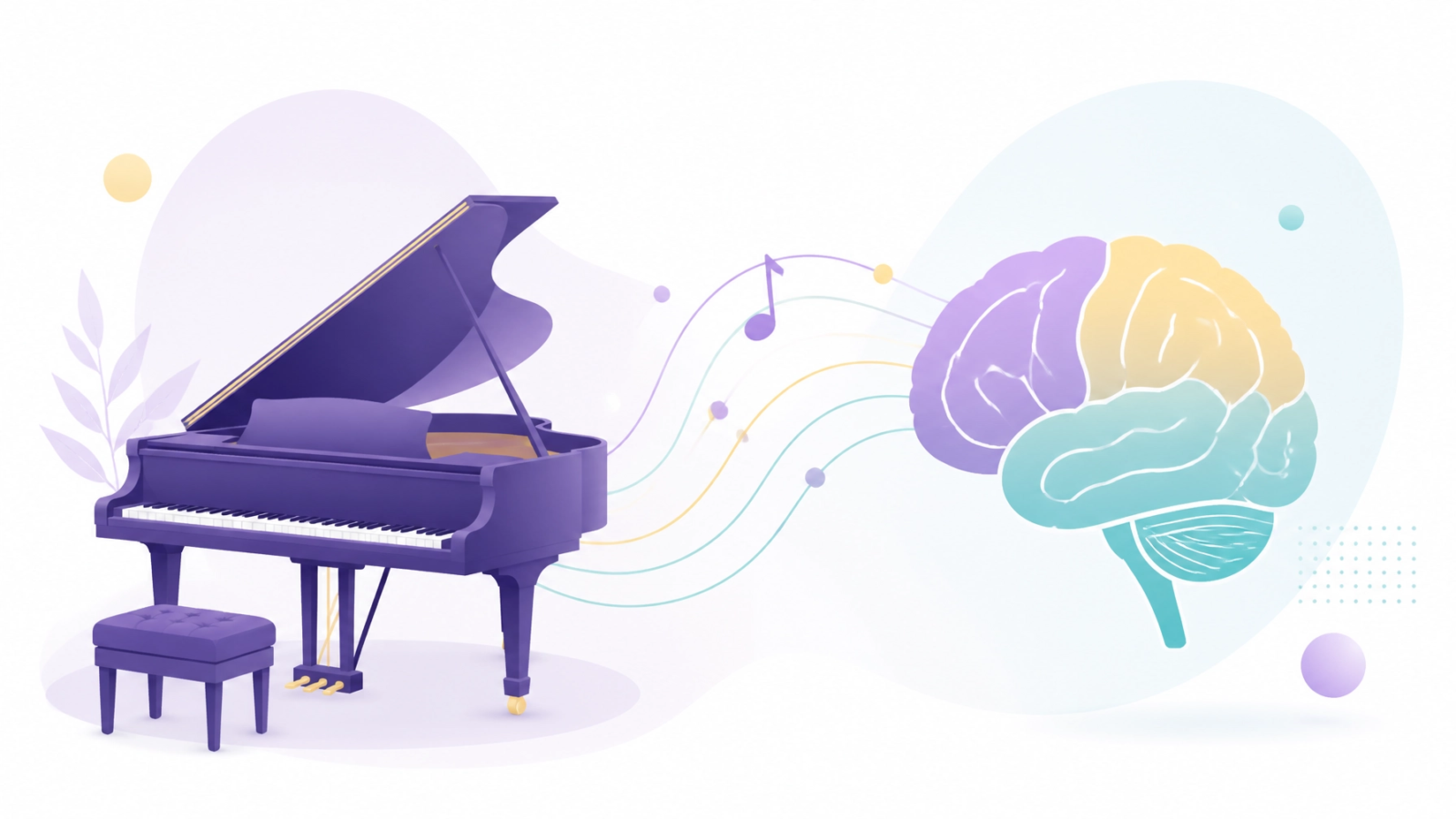
The aging process is often characterized by a decline in cognitive processing speed and memory retention. However, recent advancements in neuroscience suggest that the brain remains a dynamic organ capable of structural and functional reorganization well into the eighth decade of life. This phenomenon, known as neural plasticity, provides a foundation for interventions that can mitigate the effects of aging. Among these interventions, learning a complex instrument such as the piano has emerged as a particularly potent method for preserving and even enhancing cognitive function.
The act of playing piano requires the simultaneous integration of multiple sensory modalities. You must decode visual symbols from a score, translate them into precise motor commands, and monitor the resulting sound through auditory processing. This multidimensional challenge acts as a form of high-intensity training for the brain, fostering the creation of new synapses and strengthening existing neural pathways.
Neural Plasticity and the Aging Brain
For many years, the scientific community believed that the adult brain was relatively static. We now understand that neural plasticity persists throughout the lifespan. When you engage in piano lessons Ottawa, you are not merely learning a new skill; you are physically remodeling your cerebral cortex. Research indicates that seniors who begin musical training show significant increases in gray matter volume within the motor, auditory, and visual regions of the brain.
This structural growth is accompanied by functional improvements. The brain becomes more efficient at signal transmission as the production of myelin: the protective insulation around neurons: is stimulated. This biological scaffolding supports faster information processing and more robust memory recall. By challenging the brain with the complex rhythmic and melodic structures of music, you create a more resilient neural architecture that can better withstand age-related degradation.

Quantifiable Memory Enhancements
The cognitive benefits of piano instruction are not merely theoretical; they are measurable. Controlled studies have demonstrated that older adults who participate in regular piano practice show marked improvements in verbal memory and executive function. Verbal memory involves the ability to retain and recall spoken or written information, a skill that is vital for maintaining social connections and managing daily affairs.
In addition to verbal recall, piano training enhances working memory: the capacity to hold and manipulate information in your mind over short periods. This is particularly relevant when navigating complex tasks, such as following a multifaceted conversation or learning a new language. The systematic nature of music theory lessons online further reinforces these cognitive gains by requiring the analysis of patterns and structures, which resonates with the logical processes required for effective problem-solving.
Strengthening the Corpus Callosum Through Dual-Handed Coordination
One of the most unique aspects of piano instruction is the requirement for bimanual coordination. Unlike many other instruments, the piano necessitates that the left and right hands perform independent, yet synchronized, tasks. This dual-handed engagement facilitates communication between the two hemispheres of the brain via the corpus callosum.
By strengthening the connection between the left hemisphere (typically associated with logic and language) and the right hemisphere (often linked to creativity and spatial awareness), piano playing fosters a more integrated neural network. This hemispheric synchronization is essential for maintaining proprioceptive awareness and fine motor skills, which often decline with age. Whether you are pursuing piano or ukulele lessons Ottawa, the act of coordinating your digits to produce specific frequencies serves as a powerful catalyst for sensorimotor integration.

The Cognitive Advantage of Bilingual Musical Instruction
At Allegro Ma Non Troppo, the educational experience is enhanced by the availability of bilingual music lessons in English and Spanish. Research in the field of psychoacoustics has shown that bilingual individuals often possess superior auditory processing capabilities. When musical instruction is delivered in a second language, the brain must engage in even more complex decoding, further boosting cognitive flexibility.
This intersection of language and music creates a synergistic effect on the brain. The same neural circuits used to distinguish between musical pitches are also involved in processing the nuances of speech. By participating in a bilingual learning environment, you provide your brain with a double dose of cognitive enrichment, which can be particularly beneficial for maintaining mental acuity in later life.
Building Cognitive Reserve and Dementia Prevention
Cognitive reserve refers to the brain’s ability to improvise and find alternate ways of getting a job done. It is the brain's resilience to neuropathology. Individuals with higher cognitive reserve can often function normally even when their brains show signs of significant age-related change. Engaging in complex, multi-modal activities like learning the piano is one of the most effective ways to build this reserve.
Longitudinal studies suggest that seniors who play a musical instrument are significantly less likely to develop dementia or Alzheimer’s disease. The sustained mental effort required to master new pieces and understand music theory lessons online acts as a protective buffer. This evidence-based approach to brain health emphasizes that it is never too late to begin. The neural benefits are available to older beginners just as they are to younger students, provided the instruction is consistent and appropriately scaffolded.

Practical Implementation and Accessibility in Ottawa
Transitioning into musical study in your 70s requires a structured and supportive environment. Allegro Ma Non Troppo offers a highly personalized approach that prioritizes your individual goals and physiological needs. Whether you prefer the comfort of your own home through online flute lessons or the social engagement of our Ottawa studio, the curriculum is designed to be accessible and effective.
The logistics of our programs are designed for maximum transparency and flexibility:
- A free trial lesson is provided to ensure the pedagogical approach aligns with your learning style.
- Flexible scheduling options include 30, 45, and 60-minute sessions to accommodate varying levels of focus and stamina.
- Expert instruction is provided by Master-level teachers who specialize in adult pedagogy.
- Pricing structures are designed to encourage long-term commitment:
- Single 30-minute lesson: $40.00
- Bundle of 4 lessons:
$160.00$150.00 - Family Plan: Additional savings for households with 3 or more members.
The environmental advantages of our studio include specialized support for various instruments, including piano lessons Ottawa, clarinet, and flute. For those with mobility constraints or those who prefer the familiarity of their own instrument, our online platform provides a high-quality alternative that maintains the rigor of in-person instruction.

In summary, the scientific consensus is clear: the brain remains plastic throughout your life. By engaging in the complex, rewarding task of learning the piano, you are actively investing in your cognitive future. The combination of motor coordination, auditory processing, and theoretical analysis creates a powerful defense against memory loss and cognitive decline.
Leave A Comment