
 Cart is empty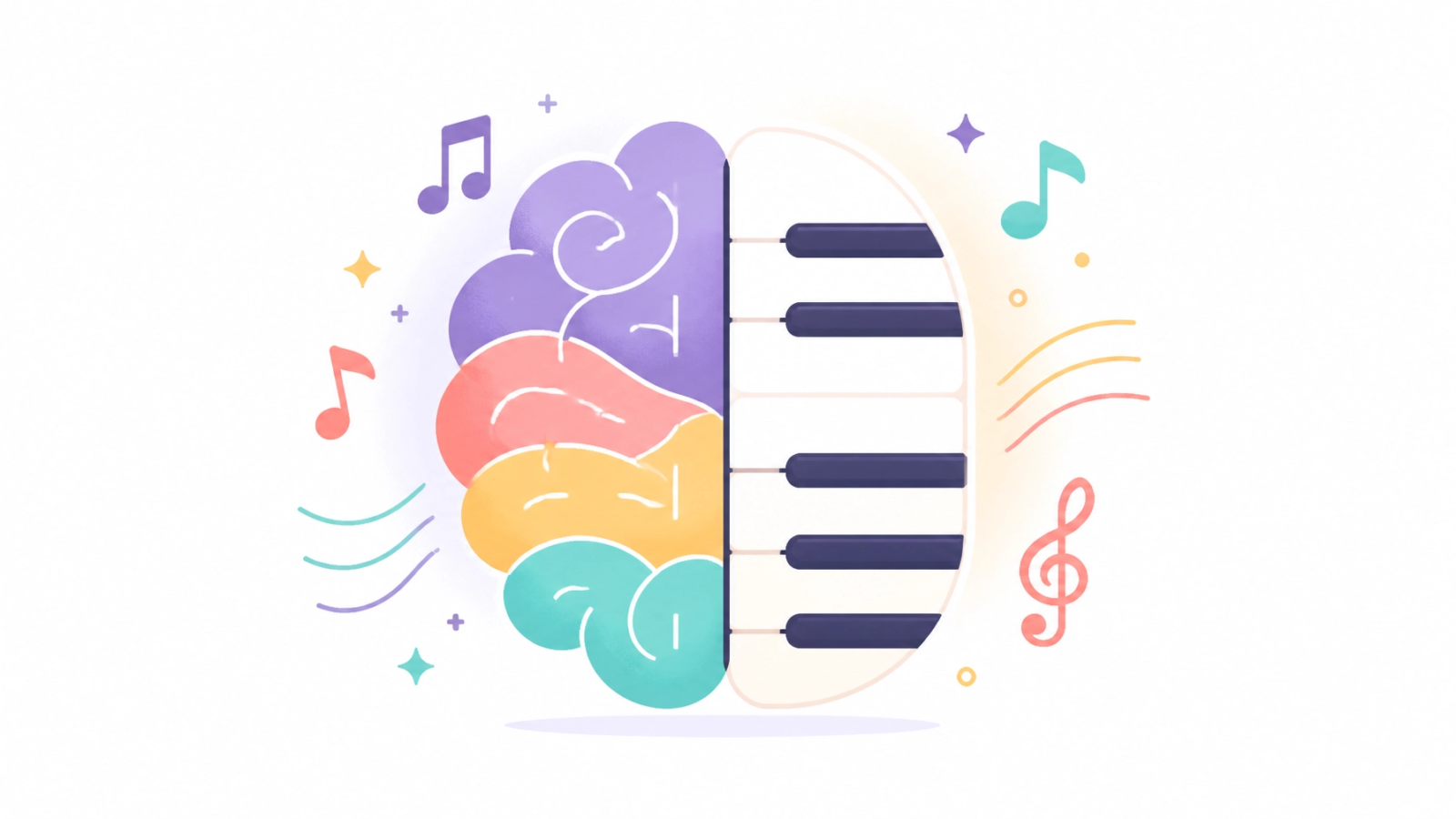
The human brain is a highly adaptive organ, capable of profound structural and functional reorganization in response to systematic training. While various cognitive interventions are marketed to enhance mental performance, few activities engage the neural architecture as comprehensively as piano training. Research in neuroscience and psychology suggests that piano lessons are not merely an artistic endeavor but a potent catalyst for developing executive function. For individuals and families seeking piano lessons in Ottawa, understanding the scientific mechanisms behind this cognitive development provides a compelling rationale for prioritizing musical education.
The Neuroscience of Keyboard Mastery and Neural Plasticity
At its core, playing the piano is a high-demand multisensory task. It requires the simultaneous processing of visual stimuli (musical notation), auditory feedback (the sound produced), and complex motor movements. This synchronization drives neural plasticity, the process by which the brain strengthens and forms new synaptic connections. Unlike many other instruments, the piano necessitates a unique level of bimanual coordination, where each hand must perform independent yet harmonized tasks.
Studies have indicated that long-term piano practice leads to an increase in the volume and integrity of the corpus callosum, the white matter tract that facilitates communication between the left and right hemispheres of the brain. This structural enhancement supports more efficient information transfer across the neural network. By engaging in consistent piano study, you are effectively scaffolding the brain's ability to integrate diverse sensory inputs and motor outputs. This heightened connectivity is foundational for higher-order cognitive processes.

Enhancing Executive Function: Inhibition and Working Memory
Executive function is a set of cognitive processes that allow individuals to plan, focus attention, remember instructions, and juggle multiple tasks successfully. Within this framework, three core components stand out: inhibitory control, working memory, and cognitive flexibility. Piano training serves as a rigorous exercise for each of these domains.
Inhibitory control, or the ability to suppress impulsive responses in favor of goal-oriented behavior, is continuously tested during musical performance. You must inhibit incorrect movements while navigating complex rhythms and tempos. Scientific evaluations using the Stroop test have demonstrated that individuals who undergo structured piano training show significant improvements in selective attention and inhibitory control.
Working memory is another critical executive function developed through keyboard study. While reading notation, you must hold information in your mind briefly: anticipating upcoming measures: while simultaneously executing the current ones. This process requires a high degree of cognitive load management. Furthermore, the systematic study of music theory accelerates this development by providing the logical framework needed to categorize and retrieve complex musical patterns more efficiently.
Auditory Processing and Linguistic Development
The benefits of piano training extend beyond the executive domain into the realm of auditory processing and language. The precision required to distinguish between different pitches, timbres, and rhythms strengthens the auditory cortex. This enhancement has a direct transfer effect on linguistic abilities, particularly in phonological awareness and sound processing.
In the context of the Ottawa community, this cognitive advantage is particularly relevant for those pursuing bilingual instruction. At our studio, we offer lessons in both English and Spanish, providing a unique environment where musical and linguistic scaffolding coexist. The same neural mechanisms used to process musical syntax are often recruited for language acquisition. By engaging in piano lessons in a second language, you are maximizing the brain's capacity for auditory discrimination and pattern recognition.

Cognitive Reserve and Long-Term Resiliency
Research indicates that the cognitive dividends of music lessons Ottawa are not limited to childhood. For adults and older individuals, piano training contributes to cognitive reserve: the brain’s resilience to age-related decline or neurological pathology. Evidence suggests that learning an instrument can improve processing speed and verbal memory in as little as ten to sixteen weeks of training.
The consistent recruitment of the frontal lobes during practice helps maintain executive control. This proactive approach to cognitive health is increasingly recognized as a non-pharmacological intervention to reduce the risk of dementia. Whether you are a student in a school band looking for specialized support in clarinet lessons or an adult beginner starting with the piano, the neuroprotective benefits of music are statistically significant and enduring.
Pedagogical Methodology at Allegro Ma Non Troppo
Our approach to music education is grounded in expert-level instruction and evidence-based pedagogy. We recognize that the environment in which learning occurs is a critical variable in student success. Our Ottawa studio provides a structured yet flexible setting designed to address the specific goals of each individual.
- Master-level teachers provide expert instruction tailored to individual cognitive and technical goals.
- Bilingual instruction in English and Spanish facilitates a broader cultural and linguistic perspective.
- Flexible scheduling options include 30, 45, and 60-minute sessions to accommodate diverse needs.
- Support for school band students ensures that technical precision on instruments like the flute or clarinet is integrated with broader musical understanding.
We prioritize transparency in our logistics and pricing to ensure a seamless entry into musical study.
- Single 30-minute lesson: $35 (Initial trial is free of charge).
- 10-lesson bundle:
$350$315 (Reflecting a 10% discount for commitment to long-term study). - Family Plan: Additional savings are available for three or more family members participating in lessons.

Logistical Considerations and Studio Accessibility
Efficiency and accessibility are paramount for busy families and professionals in Ottawa. Our studio is designed to minimize friction in the learning process, allowing you to focus entirely on cognitive and musical development. We offer both in-person instruction at our Ottawa location and online lessons for those who require the environmental advantage of learning from home.
The process for enrollment is streamlined:
- Schedule a free trial lesson to assess your current skill level and goals.
- Select a lesson duration and frequency that aligns with your schedule.
- Choose your preferred language of instruction (English or Spanish).
- Begin your personalized curriculum under the guidance of a Master-level educator.
This structured scaffolding ensures that every student, regardless of age or starting point, has the tools necessary to achieve keyboard mastery and the associated executive function benefits.
Conclusion: The Systematic Advantage of Piano Study
The evidence is clear: piano lessons offer a unique and powerful mechanism for rewiring the brain's executive functions. From the strengthening of the corpus callosum to the enhancement of working memory and inhibitory control, the cognitive benefits are extensive and research-backed. By choosing to study piano at Allegro Ma Non Troppo, you are investing in a pedagogical experience that values technical precision, scientific methodology, and personal development.
Whether your goal is to support a child's academic performance through improved spatial-temporal skills or to maintain your own cognitive health, our studio provides the expertise and flexibility required to achieve these outcomes. The harmony between musical art and neurological science is where true mastery begins.
Leave A Comment