
 Cart is empty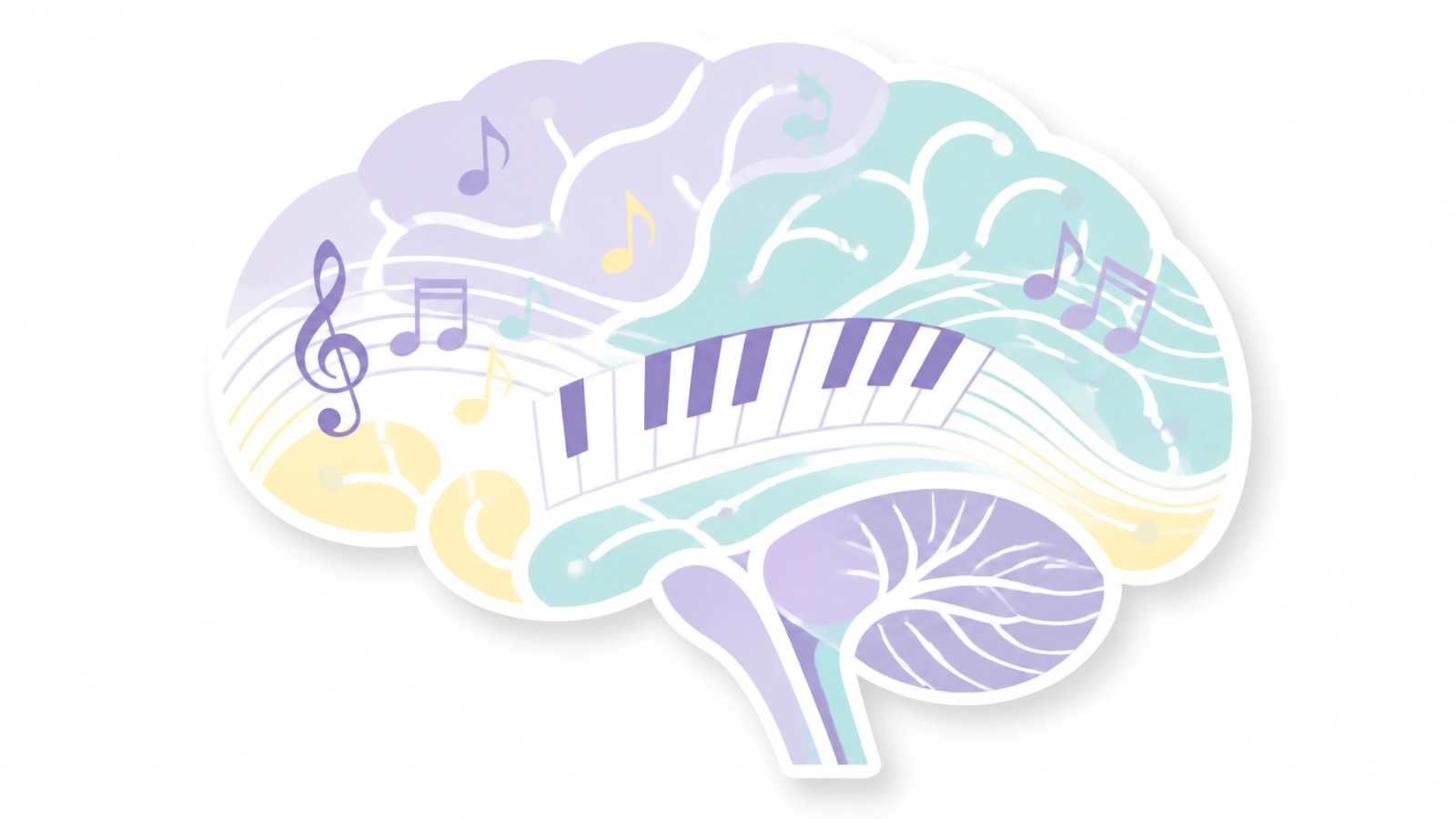
The human brain is a highly dynamic organ, capable of profound structural and functional reorganization in response to environmental stimuli and specialized training. This phenomenon, known as experience-dependent neuroplasticity, is perhaps nowhere more evident than in the brains of individuals who engage in consistent musical practice. While many view music as a purely aesthetic or cultural pursuit, current research in neuroscience and psychology confirms that learning an instrument, particularly the piano, serves as a comprehensive workout for the central nervous system. When you sit down at a keyboard, you are not merely playing a melody; you are initiating a complex cascade of neural events that literally rewires your cognitive architecture.
The Neuroplasticity of Musical Training
Neuroplasticity refers to the brain's ability to create new neural pathways and strengthen existing connections. In the context of music lessons Ottawa, piano training is unique because it demands the simultaneous integration of multiple sensory modalities. You must visually process musical notation, translate those symbols into precise motor commands for both hands, and monitor the resulting auditory feedback to ensure accuracy.
Studies utilizing neuroimaging techniques, such as functional Magnetic Resonance Imaging (fMRI), have demonstrated that even short periods of piano instruction lead to measurable changes in the brain. For instance, research conducted at the University of Bath showed that adult beginners who practiced for just one hour a week over eleven weeks exhibited significant improvements in multisensory processing. This indicates that the adult brain retains a high degree of plasticity and can be optimized through the structured challenges provided by piano lessons in Ottawa.

Enhancing Executive Function and Working Memory
Executive functions are a set of top-down mental processes that include working memory, cognitive flexibility, and inhibitory control. These functions are primarily managed by the prefrontal cortex and are essential for planning, problem-solving, and managing complex tasks. Learning the piano serves as an intensive training ground for these systems.
- Working memory: As you read a musical score, you must hold the upcoming notes and rhythms in your mind while simultaneously executing the current measure. This constant cycle of encoding and retrieval strengthens the neural networks responsible for auditory and visual working memory.
- Inhibitory control: Mastery of the piano requires you to suppress incorrect finger movements and resist the urge to play at a tempo that exceeds your current technical capability. This practice of "thinking before doing" translates into improved self-regulation in other academic and professional areas.
- Cognitive flexibility: Navigating transitions between different musical styles, tempos, and time signatures forces your brain to remain adaptable. This mental agility is a hallmark of advanced music theory lessons.
By engaging in regular practice, you are scaffolding your cognitive abilities, creating a robust foundation that supports higher-level thinking and academic performance.
The Intersection of Motor Control and Auditory Processing
The piano is an instrument of symmetry and precision. Unlike many other instruments, it requires the independent and coordinated use of all ten fingers, often performing different rhythmic and melodic patterns simultaneously. This bimanual coordination is a significant driver of motor cortex development.
The inferior frontal gyrus (IFG) is a region of the brain involved in programming and sequencing complex movements. During piano performance, the IFG is highly active as it helps you select and execute the correct motor sequences in real-time. This is closely linked to auditory processing; your brain must constantly compare the sound you produce with the "ideal" sound stored in your auditory cortex. If a discrepancy is detected, your brain must rapidly adjust its motor output. This closed-loop system of feedback and correction enhances psychomotor speed and dexterity, benefits that are particularly valuable for both developing children and aging adults.

Hemispheric Integration and the Corpus Callosum
One of the most striking anatomical differences found in musicians is the size and thickness of the corpus callosum. This massive bundle of nerve fibers serves as the primary communication bridge between the left and right hemispheres of the brain. Because piano playing requires intense communication between the motor regions controlling each hand, it stimulates the growth and myelination of these fibers.
Enhanced interhemispheric communication allows for faster and more efficient transfer of information. This integration is associated with improved creativity, divergent thinking, and the ability to synthesize information from multiple sources. For students in Ottawa, this structural change provides a long-term cognitive advantage that extends far beyond the music studio.
Cognitive Scaffolding in Bilingual Music Environments
At Allegro Ma Non Troppo, we understand that language and music share many underlying neural mechanisms. Both rely on the precise processing of pitch, timing, and timber. Research suggests that music training can enhance sound processing and language pattern recognition, which is why our bilingual instruction in English and Spanish is so effective.
Learning music in a second language adds an additional layer of cognitive "scaffolding." It requires your brain to map musical concepts across different linguistic frameworks, further stimulating neural plasticity. Whether you are seeking clarinet lessons or beginning your journey with the flute, the bilingual environment at our Ottawa studio provides a unique opportunity to challenge your auditory processing systems in a multi-faceted way. Our instructors use their master-level expertise to ensure that your learning is both technically sound and cognitively stimulating.

Emotional Regulation and Physiological Markers
Beyond the cognitive and motor benefits, learning an instrument has a profound impact on the brain's reward and stress-management systems. Engaging with music activates the ventral striatum, leading to the release of dopamine, a neurotransmitter associated with pleasure and motivation. Simultaneously, consistent musical practice has been shown to lower levels of cortisol, the body's primary stress hormone.
For many students, the focused attention required during a piano lesson acts as a form of "flow," a state of deep immersion that reduces anxiety and improves emotional regulation. This physiological response helps to build resilience and provides a constructive outlet for managing the pressures of daily life. At Allegro Ma Non Troppo, we prioritize a friendly yet professional atmosphere that allows you to focus on these developmental benefits without the pressure of a high-stress environment.
Educational Logistics and Strategic Learning
To maximize the neuroplastic benefits of music, training must be consistent, structured, and personalized. We offer a variety of options to suit the logistical needs of individuals and families in the Ottawa community. Our methodology focuses on clear goal-setting and evidence-based pedagogy to ensure efficient skill acquisition.
We provide transparent pricing and flexible scheduling to ensure that high-quality music education is accessible. Our services include:
- Private lessons in piano, flute, clarinet, ukulele, and music theory.
- Bilingual instruction available in English and Spanish.
- Online or in-person lessons at our Ottawa studio.
- Trial Lesson: 15 minutes – Free.
- Standard Lesson: 30 minutes – $35.00.
- Extended Lesson: 45 minutes – $52.50.
- Intensive Lesson: 60 minutes – $70.00.
- Family Plan: Savings available for 3 or more members from the same household.
- Bundle Discounts: Purchase 4 or 8 lessons in advance to receive reduced rates.

Our approach is designed to provide the necessary support for school band students and adult learners alike, ensuring that every session contributes to your long-term cognitive development. By choosing a teacher with Master-level expertise, you are ensuring that your technical foundation is built correctly from the first note, preventing the development of inefficient habits that can hinder neural progress.
The evidence is clear: the brain you have when you start learning an instrument is not the same brain you will have six months later. Every hour of practice is an investment in your neural health, cognitive efficiency, and emotional well-being. By engaging with the science of sound, you are not just learning a new skill; you are actively participating in the ongoing evolution of your own mind.
Leave A Comment