
 Cart is empty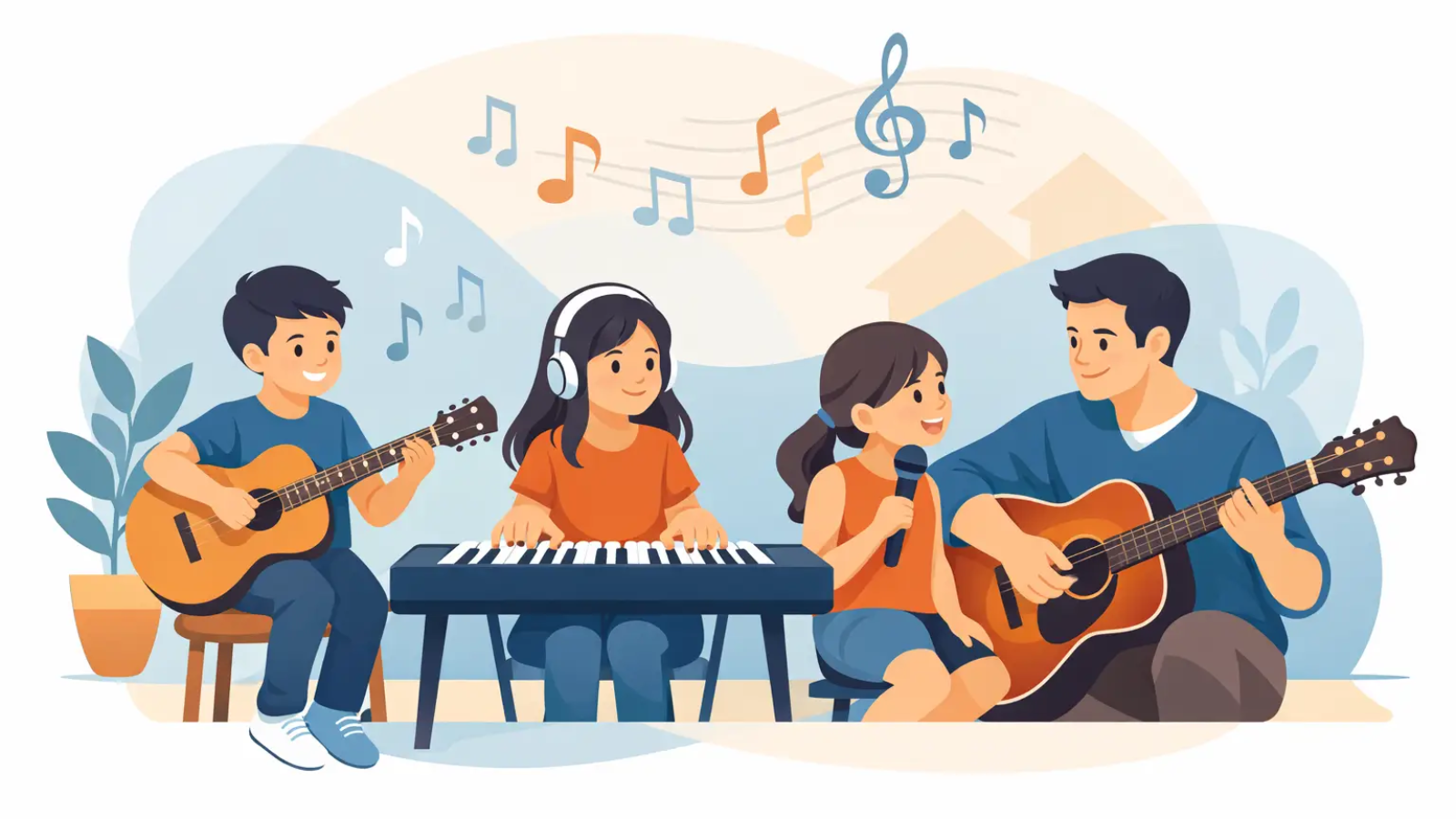
When one child wants flute, another is curious about beginner piano, and a parent has secretly been thinking about ukulele, music lessons can start to feel less like an exciting family decision and more like a scheduling puzzle. That is exactly why family discount music lessons appeal to so many households. They lower the financial pressure, but just as importantly, they make it easier to build music study into real family life.
For many families, affordability is only part of the story. The bigger question is whether lessons will actually stick. Children need encouragement. Teens need instruction that respects their goals. Adults need a format that fits around work, school pickups, and everything else. A good family plan works because it supports consistency, and consistency is what turns early interest into real progress.
Why family discount music lessons matter
Music education is most effective when it becomes part of a routine rather than a short burst of enthusiasm. Families often want more than one person enrolled, but the cost of separate private lessons can make that difficult. Family discount music lessons help remove that barrier so siblings, parents, or parent-child pairs can learn at the same time without feeling that music study is a luxury reserved for just one person.
There is also a practical benefit that busy households notice right away. When lessons are coordinated through one studio, communication is simpler, scheduling is easier to manage, and expectations are clearer. Instead of tracking different teachers, methods, and calendars, families can organize music study in a way that feels calm and sustainable.
That does not mean every family should learn in exactly the same way. In fact, the strongest family programs are not one-size-fits-all. A seven-year-old beginner needs a very different teaching approach than a high school band student preparing for a performance, and both need something different from an adult returning to music after years away. The value of a family plan is not that everyone gets identical lessons. The value is that everyone gets thoughtful instruction within a shared, manageable structure.
What to look for in family discount music lessons
The first thing to look for is personalization. A discount is helpful, but it should never come at the expense of quality. Each student should still receive instruction tailored to their level, learning style, pace, and musical interests. If one student thrives with visual explanations and another learns best by playing and repeating, the teaching should reflect that.
Format matters too. Some families do best with all in-person lessons. Others need online instruction because traffic, weather, or after-school logistics make travel stressful. In many cases, a flexible mix is the most realistic choice. What matters is not choosing the trendiest option. It is choosing the setup that your family can maintain week after week.
It is also worth asking how the teacher handles different goals under one family account. One learner may want creative, confidence-building beginner lessons, while another needs more technical coaching in tone, rhythm, articulation, or theory. A strong teacher can support both without making either student feel overlooked.
Finally, look at whether the studio makes family enrollment genuinely easier. Discounts are helpful, but so are practical touches such as coordinated lesson times, clear policies, a free trial lesson, and enough session-length options to fit different ages and attention spans.
Shared enrollment, individual progress
One of the most common concerns parents have is whether a family rate means less individualized attention. It should not. In well-designed private instruction, shared enrollment simply makes access easier. The actual lessons remain student-focused.
That is especially important in music, because progress is rarely linear. One child may move quickly through beginner concepts but need extra help with rhythm. Another may take longer to feel comfortable at the instrument, then suddenly gain confidence once the repertoire matches their taste. Adults often bring strong motivation but limited practice time. Good teaching accounts for those differences instead of forcing every learner through the same sequence.
This is where personalized pedagogy makes a real difference. Repertoire can be selected around what motivates each student. Technical exercises can be assigned with a clear purpose. Feedback can be encouraging without being vague. The result is a learning experience that feels human and effective, not generic.
Why music lessons work better when the family is involved
Families do not need to practice together every night to benefit from learning music at the same time. Often, the impact is quieter and more powerful than that. When multiple people in the home are studying, practice starts to feel normal. Progress gets noticed. Small wins get celebrated. Music becomes part of the household culture instead of a solitary task one child is expected to manage alone.
Younger students often stay more engaged when they see a sibling or parent learning too. Teens may appreciate having their effort understood at home, especially when they are balancing school ensembles, auditions, or festival preparation. Adults who take lessons alongside their children often discover that learning an instrument gives them a new way to connect without adding another screen-based activity to the week.
There are trade-offs, of course. Not every family wants a shared musical routine, and some students prefer to keep lessons as their own independent space. That is perfectly valid. Family enrollment works best when it adds encouragement, not pressure.
Online or in person? It depends on your household
Families often ask which format leads to better results. The honest answer is that it depends less on the format itself and more on how well it fits your routine.
In-person lessons can be ideal for students who focus better in a dedicated studio setting or benefit from close demonstration and hands-on guidance. This can be especially useful for beginners building posture, hand position, embouchure, or basic reading skills.
Online lessons offer a different kind of strength. They remove commuting time, reduce stress around bad weather, and make it easier to keep lessons consistent even during packed weeks. For many families, that consistency outweighs the challenges of learning through a screen. Students who are comfortable at home and parents who need flexible scheduling often do very well online.
A thoughtful teacher can make either format productive. What matters most is choosing the one your family can realistically maintain without constant friction.
A good fit for beginners and developing students
Family plans are often associated with young beginners, but they can be just as valuable for mixed-level households. One student may be learning first notes on clarinet while another is strengthening music theory or preparing school band repertoire. A parent may want lessons simply for enjoyment, while a child is working toward measurable performance goals.
Those combinations can work beautifully when the instruction is organized with care. In a studio that teaches flute, clarinet, beginner piano, ukulele, and music theory, families have room to choose what genuinely fits each learner instead of forcing everyone into one instrument or one path. That flexibility matters because students stay motivated longer when the lessons match who they are.
This is also where bilingual instruction can be meaningful for some households. If English and Spanish are both part of family life, being able to learn in the language that feels most comfortable can make lessons more welcoming and easier to follow.
Making the most of family discount music lessons
The families who get the most from discounted enrollment usually keep their expectations clear and realistic. Progress does not require perfection. It requires regular attendance, manageable practice habits, and teaching that responds to the student in front of the instructor.
Start with a schedule you can actually keep. Choose lesson lengths that fit the student’s age, focus, and goals. Be honest about energy levels during the school year. If one child is highly committed and another is still exploring, that is fine. Their lesson plans do not need to look the same to be successful.
It also helps to think long term. The best value in music education is not simply paying less per lesson. It is finding an approach that makes students want to continue. A warm, skilled teacher, personalized repertoire, and a structure that fits family life are often what turn a few trial lessons into sustained growth.
At Allegro Ma Non Troppo, that is the heart of family enrollment – making quality music instruction feel accessible, personal, and enjoyable for real households with real schedules.
If your family has been waiting for the perfect time to start, it may be more helpful to look for the right structure instead. When lessons are tailored, encouraging, and affordable enough to continue, music has a much better chance of becoming part of everyday life.
Leave A Comment