
 Cart is empty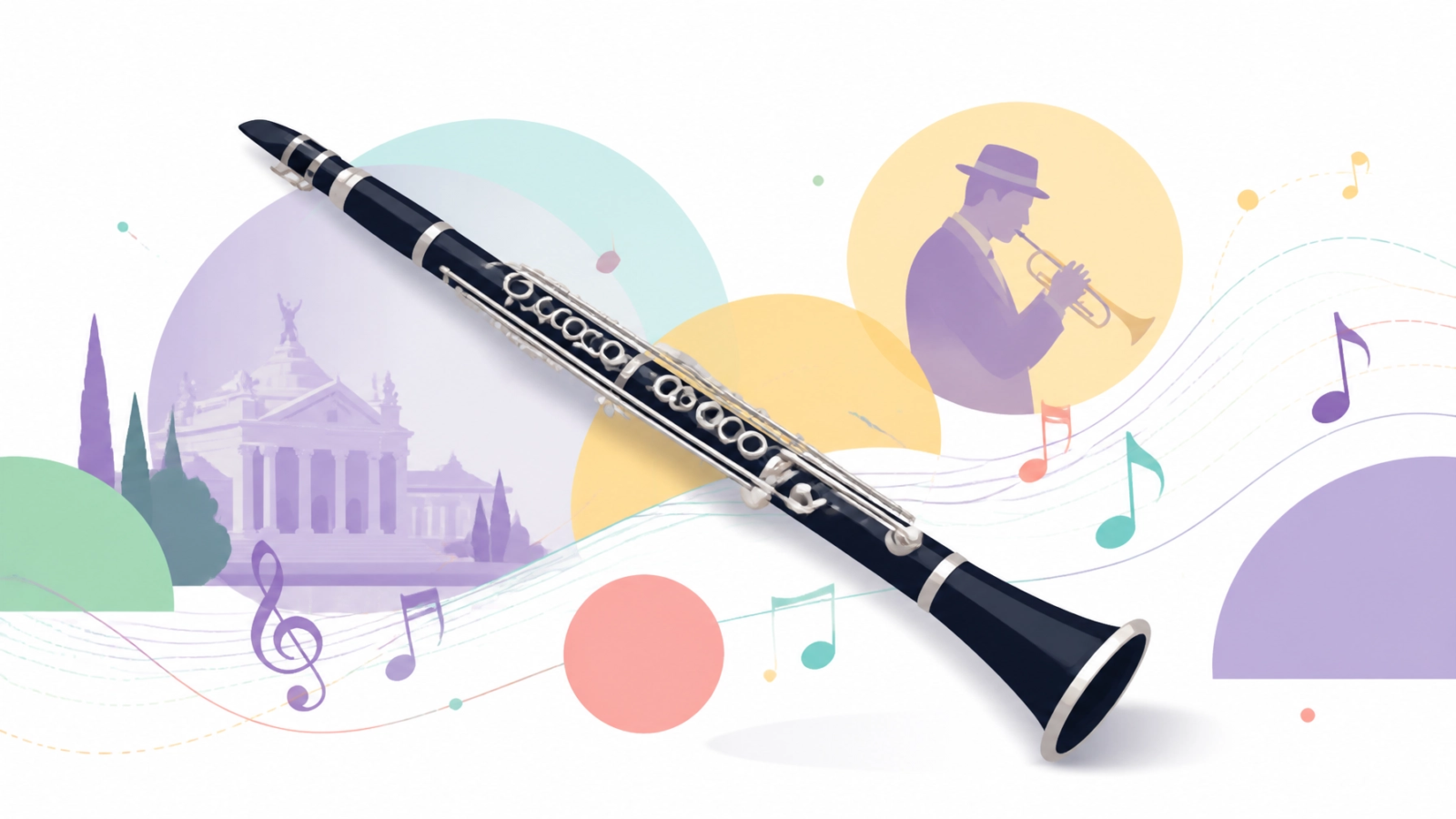
Have you ever listened to a piece of music and felt like the instrument was actually speaking to you? If that sound was warm, woody, and maybe a little bit mischievous, there is a good chance you were hearing the clarinet. This wonderful instrument is often called the chameleon of the orchestra because it can change its personality faster than you can flip a page of sheet music.
Whether you are looking for online clarinet lessons to start your musical journey from home or searching for clarinet lessons Ottawa to join our friendly studio community, understanding the roots of this instrument makes playing it even more rewarding. The clarinet has a history as colorful as its sound, traveling from humble folk pipes to the grandest concert halls and the smokiest jazz clubs.
The Humble Beginnings: Meeting the Chalumeau
Before the clarinet became the sleek, multi-keyed beauty we know today, it had a much simpler ancestor called the chalumeau. Imagine a small wooden pipe, not much different from a recorder, with a single reed tied to the mouthpiece. It was a rustic little thing, mostly used for folk music and simple melodies.
The chalumeau had a lovely, dark sound, but it had one major limitation: it could not play very high. It was stuck in its lower register, which we still call the chalumeau register today in honor of its roots. It was like having a singer who could only perform deep, low notes. While beautiful, composers wanted more range to create true musical harmony.

Around the turn of the 18th century, a clever instrument maker named Johann Christoph Denner decided to experiment. He added a tiny vent hole at the back of the instrument, which we now call the register key. Suddenly, the instrument could jump an octave and a fifth higher! This new, bright, and powerful high register reminded people of a small trumpet, which was called a clarino at the time. And just like that, the clarinet was born.
Mozart and the Golden Age of the Clarinet
If the clarinet had a best friend in the 18th century, it was definitely Wolfgang Amadeus Mozart. He was absolutely head-over-heels for the instrument's vocal quality. He once wrote to his father expressing how much he loved the way it could mimic the human voice with such grace and emotion.
Mozart’s love affair with the clarinet was fueled by his friendship with a virtuoso named Anton Stadler. Stadler played an extended version of the instrument known as the basset clarinet, which could reach even lower notes. To showcase his friend's talent, Mozart composed some of the most beautiful music ever written for woodwinds, including the famous Clarinet Quintet and his legendary Clarinet Concerto.
When you start your clarinet lesson plan, you are following in the footsteps of these masters. Mozart’s music showed the world that the clarinet could be both a powerful soloist and a loving partner in an ensemble. It could cry, it could laugh, and it could soar over an entire orchestra with ease. 🎶

Evolution and the Modern Touch
As music moved into the 19th century, the clarinet continued to evolve. Musicians wanted to play in every possible key without having to carry five different instruments around! Makers began adding more keys and improving the fingering systems.
The biggest breakthrough came when Hyacinthe Klosé and Louis-Auguste Buffet adapted a system originally designed for the flute. This became known as the Boehm system, which is what most of our students use today. It made the clarinet more agile and balanced, allowing players to navigate complex passages with the flick of a finger.
This mechanical perfection opened doors for the clarinet to become a staple in everything from grand romantic symphonies to lively military bands. It even paved the way for its cousins, like the flute and the oboe, to find their own place in modern ensembles.
Finding its Soul in Jazz
Just when people thought they knew everything the clarinet could do, jazz happened. In the early 20th century, the clarinet moved from the concert hall to the streets of New Orleans. Players like Sidney Bechet and Johnny Dodds brought a raw, soulful energy to the instrument, using it to weave intricate counter-melodies around trumpets and trombones.
Then came the Swing Era, and the clarinet became the absolute king of the dance floor. Legends like Benny Goodman: the King of Swing: and Artie Shaw turned the clarinet into a superstar instrument. They showed that it could be incredibly virtuosic, playing lightning-fast runs that made people want to get up and dance.
The clarinet’s ability to bend notes, growl, and wail made it the perfect voice for the expressive nature of jazz. It resonates with a sense of freedom and creativity that we love to encourage in all our students at Allegro Ma Non Troppo. 🎷✨

Why the Clarinet is Perfect for You
One of the best things about the clarinet is how accessible it is for people of all ages. Whether you are a student in a school band looking to stand out or an adult wanting to pick up a new hobby, the clarinet offers a world of possibilities.
- Versatility: You can play classical, jazz, pop, or even folk music.
- Portability: It is easy to carry to lessons or practice sessions.
- Skill Building: It helps improve coordination, breath control, and music theory knowledge.
- Social Connection: It is a key part of orchestras, wind ensembles, and jazz bands.
At Allegro Ma Non Troppo, we believe that learning should always be fun and personalized. Our expert teachers hold Master-level degrees and are passionate about helping you find your own unique sound. We offer flexible scheduling with 30, 45, and 60-minute options to fit your busy life.
Learning Your Way: Ottawa or Online
We know that life can be hectic, which is why we provide multiple ways for you to learn. If you are in the area, you can visit our cozy Ottawa studio for in-person instruction. There is something special about the resonance of a live room and the immediate feedback of a teacher right beside you.
If you prefer the comfort of your own home, our online clarinet lessons are a fantastic choice. You can skip the commute and learn in your pajamas if you want! We use high-quality video platforms to ensure you get the same premium experience as you would in person.
We even offer a Family Plan for those who want to turn music into a shared journey. If three or more members of your family join us, you can enjoy significant savings. It is a wonderful way to build memories and create a musical household together.

Transparent Pricing and Flexible Options
We believe in being totally open about how our lessons work. We want you to feel confident and excited about starting your musical adventure. Here is a look at our standard lesson plans:
- Free Trial Lesson: Always free! Try it out before you commit.
- 30-Minute Lesson: $35.00
- 45-Minute Lesson: $52.50
- 60-Minute Lesson: $70.00
If you are ready to dive in, we offer bundles of 5 or 10 lessons that help you save even more. For example, a 10-lesson bundle of 30-minute sessions is only $332.50, down from the regular $350.00. We love helping our students reach their goals while keeping things affordable and straightforward.
Join Our Musical Community Today
The story of the clarinet is still being written, and you could be the next chapter! Whether you want to master a Mozart concerto or improvise your first jazz solo, we are here to support you every step of the way. Our bilingual instruction in English and Spanish ensures that everyone in our community feels welcome and understood.
From the first notes of a beginner to the advanced techniques of a high school band leader, we provide a loving and supportive environment for every musician. Let’s make some noise and find the harmony in your life together!
Leave A Comment