
 Cart is empty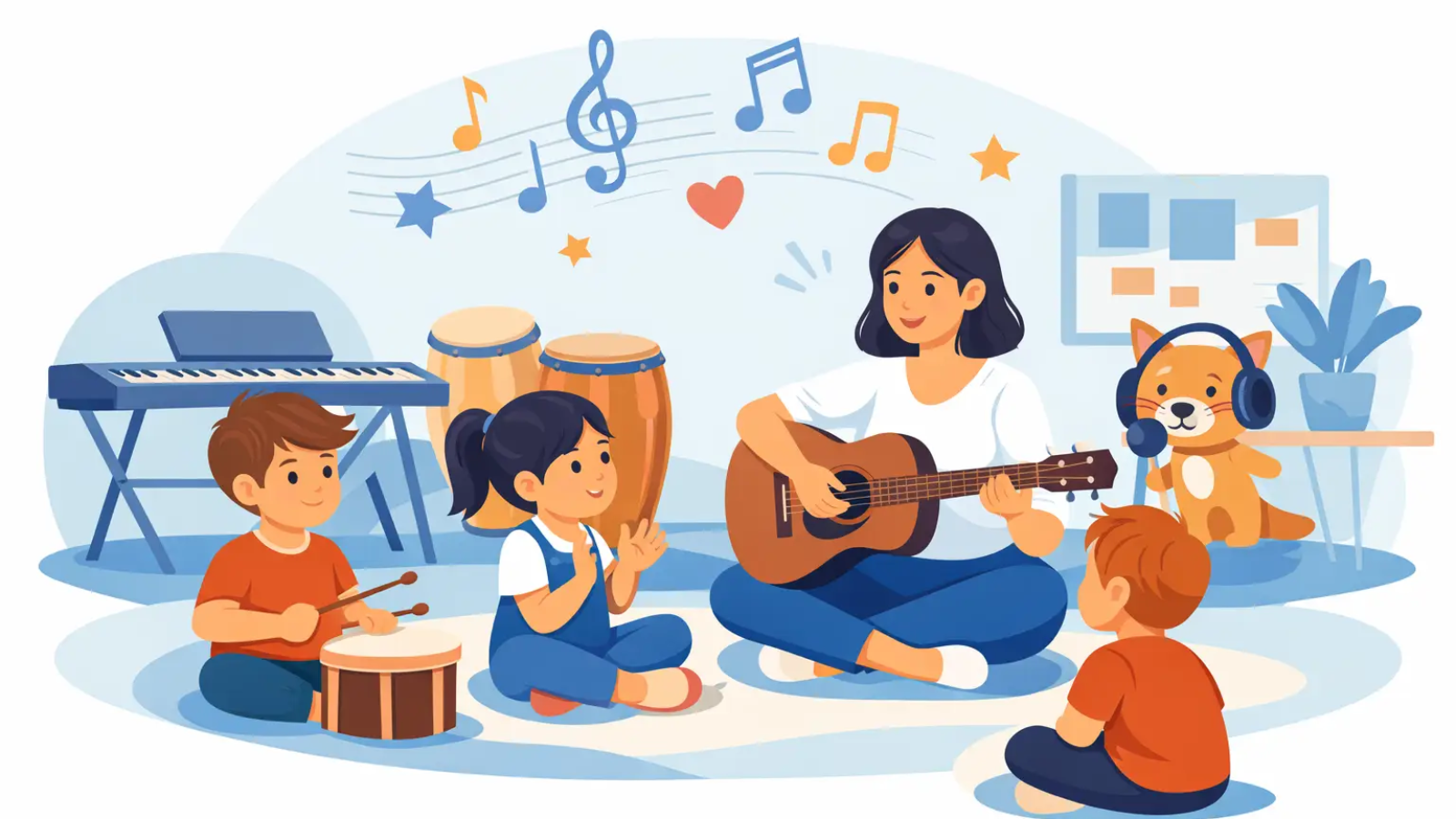
A child who taps every table, sings made-up songs in the back seat, or lights up when a favorite tune comes on is already telling you something: music is not a side interest. It is a real way they explore, communicate, and learn. That is why music workshops for children can be such a strong starting point. They give young learners a place to experiment, listen, move, and make music without the pressure that sometimes comes with a formal recital mindset.
For many families, the appeal is simple. A workshop can introduce music in a way that feels social, creative, and manageable. Instead of asking a child to commit immediately to long-term lessons, parents can begin with a structured experience that lets their child try rhythm games, beginner instruments, singing, ensemble activities, and basic music concepts in a supportive setting. Done well, a workshop does more than entertain. It helps children build confidence, attention, and curiosity that carry into future study.
What makes music workshops for children effective?
The best workshops are carefully designed around how children actually learn. Young students do not absorb music only by listening to explanations. They learn by doing. They clap patterns, echo rhythms, notice high and low sounds, match pitch, improvise short musical ideas, and connect movement to beat. When a workshop includes these kinds of activities, children stay engaged because the lesson meets them where they are.
This is also where thoughtful teaching matters. A nurturing instructor knows when to guide, when to simplify, and when to let a child explore. Some children are ready to jump into group participation right away. Others need time to observe before joining in. A workshop should make room for both. The goal is not to force a performance. The goal is to create musical understanding through participation.
A strong workshop usually balances structure and flexibility. Too little structure, and the session feels scattered. Too much, and children can become tense or bored. The sweet spot is a plan with clear musical goals that still leaves room for play, imagination, and student response.
The skills children build in a workshop setting
Parents often ask whether workshops are mostly for fun or whether they provide real educational value. The answer is both. Enjoyment is not separate from learning here. For children, enjoyment is often what makes learning stick.
Rhythm is one of the first areas to grow. Through clapping, stepping, drumming, and call-and-response games, children begin to feel steady beat and recognize patterns. That may sound basic, but rhythm awareness supports everything from instrumental study to ensemble playing.
Listening skills also develop quickly. In a workshop, children practice hearing contrasts like loud and soft, fast and slow, smooth and detached. They begin to notice musical details instead of hearing music as one big blur. That kind of active listening becomes especially useful later for private lessons, school band, choir, or home practice.
Another major benefit is confidence. Group settings can be wonderful for children who need a gentle push to participate. When they see other students try, make mistakes, laugh, and try again, music starts to feel accessible. A child who hesitates to play alone may be happy to play in a group. Over time, that shared experience often leads to more individual confidence.
Workshops can also strengthen creativity. Not every child connects first with note reading or technique drills. Some children connect through inventing rhythms, making up lyrics, or choosing how to play a simple pattern. Creative moments are not distractions from music education. They are part of how children build ownership over what they are learning.
Workshops versus private lessons
This is where it depends on the child and the family’s goals. Music workshops for children are excellent for exposure, social learning, and broad musical development. Private lessons are usually better when a student is ready for individualized technical work, specific repertoire, and steady long-term progress on an instrument.
A workshop may be the right first step for a child who is curious but not yet ready to focus on one instrument. It can also help parents see how their child responds to instruction, routine, and musical challenges. On the other hand, a child who already knows they want to study beginner piano, ukulele, flute, or clarinet may benefit more from one-on-one teaching from the start.
In many cases, the strongest approach is not choosing one over the other. It is combining them. A child might attend workshops to enjoy group music-making and then take private lessons for tailored guidance. That combination gives them both community and personalization, which is often where real momentum builds.
What parents should look for in a children’s music workshop
Not all workshops are created with the same level of care. A good program should match activities to the child’s age and developmental stage. Preschoolers need something different from elementary-age beginners. If everyone is placed in the same format regardless of readiness, some children end up overwhelmed while others lose interest.
Teacher quality matters just as much as curriculum. Children benefit from instructors who understand pedagogy, not just performance. Being an accomplished musician is valuable, but teaching children requires additional skill. The instructor should know how to break concepts into manageable steps, keep energy positive, and adapt when a child needs a different explanation.
It also helps to look at how the workshop defines success. If success only means sitting still, following directions perfectly, or producing polished results quickly, many children will feel discouraged. A stronger program recognizes progress in multiple ways: trying a new rhythm, joining a group song, keeping a steady beat, listening carefully, or showing growing comfort with an instrument.
Families should also consider practical fit. A wonderful workshop is still not sustainable if it clashes with school pickup, sports schedules, or family logistics. Flexible options matter. For some households, in-person sessions offer the focus and energy children need. For others, online formats reduce travel time and make consistency much easier, especially during busy seasons.
Why personalization still matters in group learning
Even in a workshop setting, children do better when teaching feels personal. One child may love singing but feel shy with instruments. Another may be eager to try ukulele but struggle to keep a steady beat. Another may already be in school band and need support that connects to what they are playing in class.
That is why the best music education businesses do not treat workshops as one-size-fits-all events. They use them as part of a broader teaching approach. A student-centered program pays attention to each child’s pace, interests, and learning style, even when the activity is shared with others.
This is especially helpful for families looking for a pathway rather than a one-time activity. A workshop can reveal what motivates a child. From there, instruction can become more tailored. Some children move naturally into private lessons. Others do better with a mix of workshops, shorter sessions, and gradual skill-building. When teachers take time to notice those differences, children usually progress faster and enjoy the process more.
How workshops support long-term musical growth
One common misconception is that workshops are only introductory. They can absolutely serve as an entry point, but they can also support long-term development when they are thoughtfully connected to broader musical goals.
For younger children, workshops build foundational readiness. They strengthen beat, ear training, listening, coordination, and attention before more formal instrumental study begins. That foundation often makes later lessons smoother because the child is not encountering musical language for the first time.
For older beginners, workshops can reduce fear. Trying an instrument in a friendly group setting often feels less intimidating than starting alone. For developing students, workshops can reinforce ensemble awareness, creativity, and confidence in performance-based activities.
Families with more than one child may find workshops especially useful because they create a shared musical experience at home. Siblings start singing the same songs, clapping the same rhythms, or talking about what they learned. That kind of carryover matters. Musical growth is stronger when it continues beyond the lesson itself.
At Allegro Ma Non Troppo, this kind of learning is most meaningful when it stays joyful, tailored, and connected to each student’s real interests. Children grow best when they feel both guided and heard.
When is the right time to start?
Usually earlier than parents think, but not in a rushed way. A child does not need to show exceptional talent before joining a workshop. They just need readiness for the format. That might mean they can participate in simple group activities, respond to directions with support, and stay engaged for a reasonable part of the session.
Some children are ready very young for playful music experiences built around movement and listening. Others are better served by waiting until they can focus a little longer. There is no single perfect age. The better question is whether the workshop matches the child in front of you.
If your child is curious about sound, rhythm, singing, or instruments, that curiosity is enough to begin. You do not need to wait for certainty. Music often becomes meaningful because children are given the chance to explore it in the right environment.
A well-designed workshop will not try to turn every child into the same kind of musician. It will help each one find a way in. And for many families, that first small opening is exactly where lasting musical confidence begins.
Leave A Comment