
 Cart is empty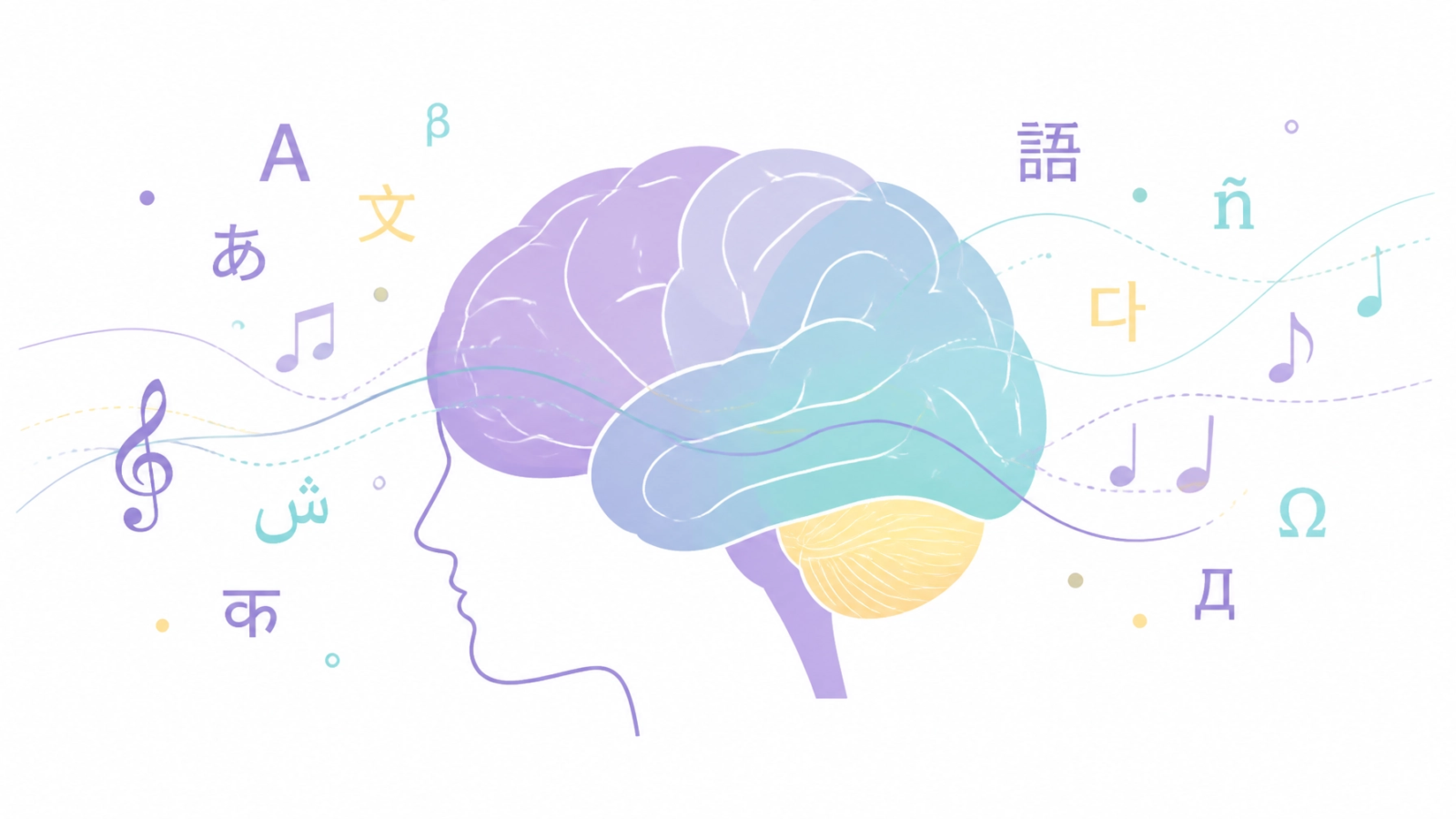
The intersection of bilingualism and musical training represents a significant area of interest in the fields of neuroscience and cognitive psychology. Research indicates that when you engage in both language acquisition and instrumental practice, the brain undergoes profound structural and functional adaptations. This synergy enhances auditory processing, which is the foundational ability to identify, interpret, and differentiate sounds.
At Allegro Ma Non Troppo, our pedagogical approach integrates these two powerful cognitive drivers. By offering instruction in both English and Spanish, we create a learning environment that maximizes neural development. Whether you are seeking piano lessons Ottawa or exploring ukulele lessons Ottawa, the cognitive advantages are extensive and evidence-based.
1. Experience-Dependent Neural Plasticity
Neural plasticity refers to the brain's ability to reorganize itself by forming new neural connections throughout life. Scientific literature suggests that the combination of music and multiple languages provides a unique stimulus that reshapes the auditory cortex. When you learn an instrument while navigating two linguistic systems, you are essentially providing a high-intensity workout for your brain. This increased plasticity allows for faster learning and better retention of complex auditory information.
2. Refined Phonological Awareness and Pitch Discrimination
Phonological awareness is the ability to recognize and manipulate the spoken parts of sentences and words. Research shows that musicians are significantly better at detecting subtle pitch changes in speech than non-musicians. This skill is further amplified in bilingual individuals who must constantly distinguish between the phonetic nuances of different languages. By participating in flute lessons or clarinet lessons in a bilingual setting, you enhance your brain’s sensitivity to frequency changes, which is critical for both musical proficiency and language fluency.

3. Improved Signal-to-Noise Ratio Perception
One of the most challenging tasks for the auditory system is the ability to extract relevant speech or music from a noisy background, a concept known as the signal-to-noise ratio (SNR). Studies have demonstrated that musicians and bilinguals possess a superior ability to filter out background noise to focus on a primary auditory signal. This advantage is particularly beneficial for students in school band programs where multiple instruments and voices compete for attention. Our specialized support for school band students focuses on developing this discriminatory capability.
4. Executive Function: Inhibitory Control
Auditory processing is not just about the ears; it involves high-level cognitive processes known as executive functions. Inhibitory control is the ability to suppress irrelevant information. In a bilingual music lesson, your brain must manage the linguistic code (English or Spanish) while simultaneously focusing on the musical score and technical execution. This constant demand for "switching" and "inhibiting" strengthens the prefrontal cortex, leading to better focus and cognitive control in other academic areas.

5. Enhanced Auditory Working Memory
Auditory working memory is the system responsible for temporarily storing and manipulating sound information. This is essential for remembering a melody you just heard or following a complex instruction in a second language. Musical training requires the brain to hold long sequences of notes and rhythms in mind, while bilingualism requires holding different vocabularies and grammatical structures. The cumulative effect of these activities is a significant expansion of your auditory memory capacity.
6. Superior Temporal Resolution
Temporal resolution is the ability to detect rapid changes in sound over time. In music, this relates to rhythm and timing; in language, it relates to the duration of phonemes and the pauses between words. Research indicates that the brains of musicians are more efficient at processing these temporal cues. When combined with the prosodic demands of a second language, your auditory system becomes highly adept at timing, which is foundational for both musicality and conversational flow.

7. Neurophysiological Encoding of Speech
Beyond the cortex, musical training has been shown to "fine-tune" the brainstem’s sensitivity to speech sounds. Electrophysiological studies show that musicians have faster and more robust brainstem responses to sound. This subcortical enhancement means that the very first stages of sound processing in the brain are more accurate. For those pursuing music theory lessons online, this physiological foundation makes the abstract concepts of harmony and structure much easier to internalize.
8. Accelerated Cross-Modal Sensory Integration
Music is inherently multi-sensory, involving auditory, visual, and somatosensory (touch) systems. When you play the piano or flute, your brain must integrate what you see on the page, what you feel in your fingers, and what you hear from the instrument. Bilingual instruction adds another layer of sensory integration by linking these actions to different linguistic labels. This multi-sensory scaffolding leads to more stable and resilient neural representations of the material being learned.

9. Cognitive Flexibility and Task Switching
The ability to move between different concepts or tasks is known as cognitive flexibility. Bilingual musicians are constantly practicing this skill. Navigating a lesson that moves between technical exercises and creative projects, potentially using two different languages, trains the brain to be more adaptable. This flexibility is a key component of intelligence and is highly correlated with academic success and problem-solving abilities in both children and adults.
10. Long-term Cognitive Reserve
The benefits of bilingual music lessons extend far beyond immediate academic or musical goals. Engaging in these high-level cognitive activities builds "cognitive reserve," which has been shown to delay the onset of age-related cognitive decline. By investing in music education now, you are effectively protecting your brain's future health. This long-term perspective is central to our philosophy at Allegro Ma Non Troppo.
Logistical Transparency and Enrollment
We prioritize clear communication regarding our policies and pricing to ensure a seamless entry into our programs. Our expert, Master-level teachers provide personalized instruction tailored to your specific goals and skill level.
- Trial Lesson: Free
- 30 Minute Lesson: $35.00
- 45 Minute Lesson: $52.50
- 60 Minute Lesson: $70.00
- Family Plan: Discounts available for 3 or more participating family members.
- Bundle Discounts: Savings provided when purchasing lesson packages in advance.
Our services are available both online and in-person at our Ottawa studio. We offer bilingual instruction in English and Spanish for all our instruments, including flute, clarinet, beginner piano, and ukulele. Scheduling is flexible to accommodate the needs of busy families and professionals.
Leave A Comment