
 Cart is empty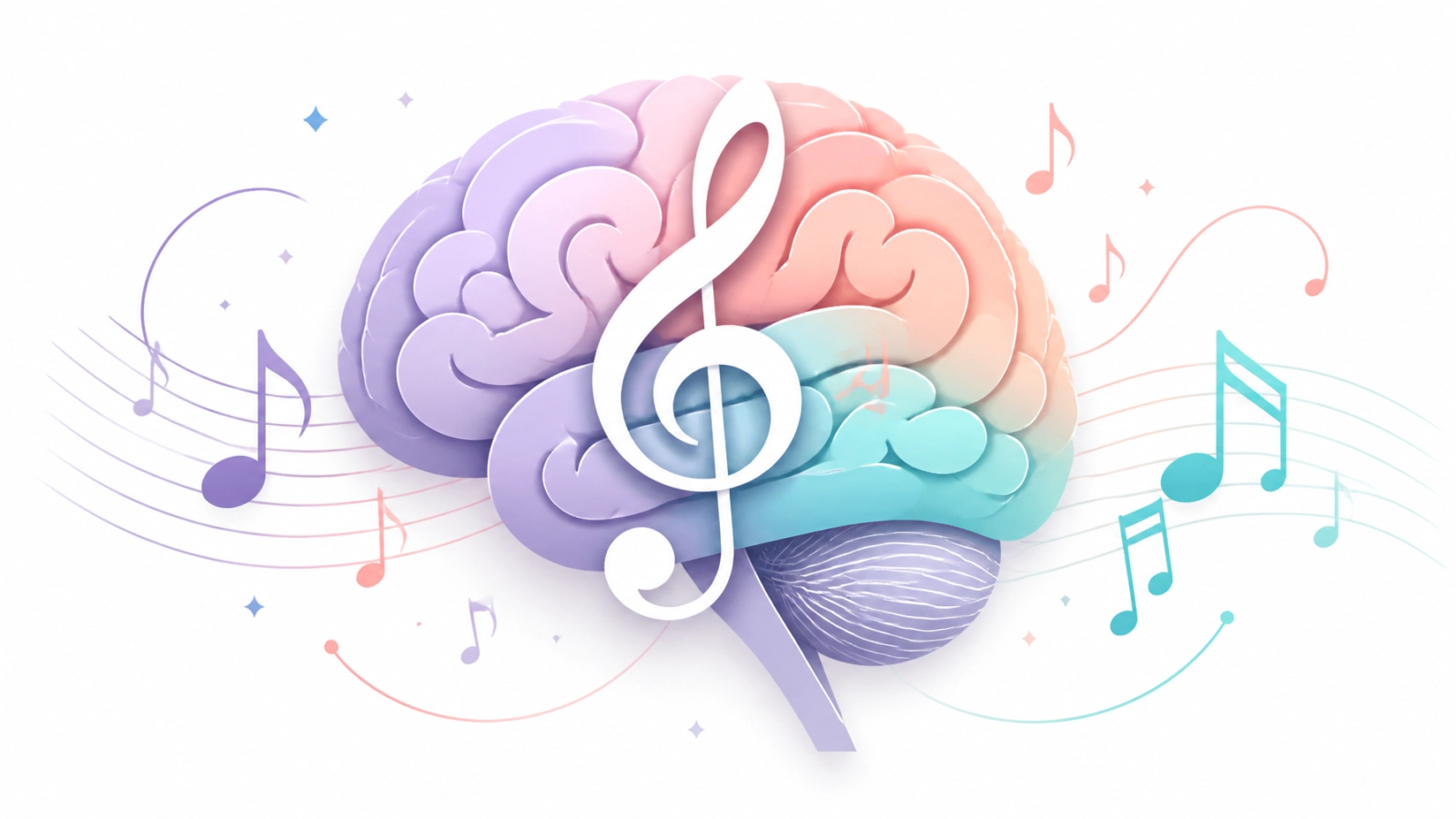
The study of music theory is frequently mischaracterized as a secondary pursuit to performance. However, for those seeking a profound understanding of their craft, music theory represents the indispensable architectural blueprint of sound. Whether you are navigating the intricate fingerings of flute lessons in Ottawa or mastering the harmonic complexities of the piano, the theoretical framework provides the cognitive scaffolding necessary for true mastery. This guide examines the scientific imperatives of music theory and how digital learning environments are optimizing the acquisition of these complex analytical skills.
The Neuroscience of Theoretical Mastery and Neural Plasticity
When you engage with music theory, you are not merely memorizing symbols; you are participating in a rigorous cognitive workout that drives significant neural plasticity. Research in neuroscience indicates that the systematic study of musical structures: such as intervals, scales, and harmonic progressions: strengthens the connectivity between the auditory, motor, and executive control regions of the brain.
- Auditory Processing: Developing the ability to decode complex notation into internal sound images refines your brain’s phonological processing.
- Structural Connectivity: Long-term engagement with music theory has been shown to increase the density of white matter tracts, facilitating faster information transfer across the corpus callosum.
- Symbolic Decoding: Much like learning a second language or a programming syntax, music theory requires the brain to translate abstract visual symbols into real-time auditory expectations.
This neuroplastic transformation is particularly evident when theory is introduced early, but the benefits remain accessible to adult learners who utilize these lessons to maintain cognitive reserve.
Cognitive Scaffolding and Executive Function
The study of music theory is an exercise in executive function. It requires sustained attention, inhibitory control, and cognitive flexibility. When you analyze a complex score or attempt to transpose a melody, you are utilizing your working memory to hold multiple variables in place: key signatures, accidental shifts, and rhythmic subdivisions.
At Allegro Ma Non Troppo, we emphasize that music theory lessons are not an isolated discipline. They serve as a foundational layer for all other musical pursuits. For instance, a student taking clarinet lessons Ottawa will find that their technical precision increases as their understanding of interval relationships deepens. The brain stops seeing a series of disjointed notes and begins to recognize overarching patterns and structural motifs.
- Pattern Recognition: The ability to identify recurring harmonic sequences reduces the cognitive load during sight-reading.
- Analytical Reasoning: Evaluating the relationship between a tonic and its dominant requires logical deduction similar to mathematical proofs.
- Mental Flexibility: Moving between different clefs or transposing instruments forces the brain to adapt its decoding rules dynamically.

The Mathematical Precision of Intervals and Rhythm
There is an undeniable symmetry between music theory and mathematics. From the ratios of perfect intervals to the fractional subdivisions of a complex time signature, music is essentially mathematics made audible. By enrolling in music theory lessons online, you are engaging in a form of applied logic that has far-reaching implications for academic and professional performance.
The physics of sound: acoustics: governs why certain intervals resonate harmoniously while others create dissonance. Understanding the harmonic series is not just for physicists; it is for the musician who wishes to play with perfect intonation and expressive intent. In our music theory curriculum, we explore these intersections to ensure you understand the "why" behind the "how."
- Temporal Reasoning: Mastering rhythm requires a precise understanding of time and division, which correlates with improved spatial-temporal skills.
- Harmonic Ratios: Learning the mathematical relationship between frequencies helps in understanding the construction of chords and scales.
- Proportional Thinking: The hierarchy of note values: from whole notes to thirty-second notes: reinforces an intuitive grasp of fractions and proportions.
Optimizing the Learning Environment via Online Modalities
The transition to digital pedagogy has unlocked unique advantages for the music theory student. While our Ottawa studio offers a premium in-person experience, our music theory lessons online provide a level of flexibility and technological integration that is difficult to replicate in traditional settings.
Digital learning environments allow for the seamless integration of interactive notation software, real-time ear-training applications, and shared digital whiteboards. This multisensory approach ensures that theoretical concepts are immediately connected to auditory and visual stimuli. Furthermore, the comfort of your home environment minimizes external stressors, allowing for the deep focus required for complex analytical work.
- Accessibility: High-quality instruction is available regardless of geographic constraints, connecting you with Master-level teachers.
- Resource Integration: Lessons often utilize digital tools that allow for instant playback and manipulation of musical examples.
- Environmental Control: Learning in a personalized, quiet space can enhance the retention of difficult theoretical concepts.

The Allegro Ma Non Troppo Methodology: Expert Bilingual Instruction
Our approach at Allegro Ma Non Troppo is defined by scientific rigor and pedagogical excellence. We recognize that every student has unique goals, whether they are preparing for a school band, RCM examinations, or personal enrichment. Our instructors hold Master-level degrees and are experts in tailoring theoretical concepts to resonate with your specific interests.
A unique feature of our academy is our bilingual instruction. We offer lessons in both English and Spanish (español), catering to the diverse community in Ottawa and our global online students. This bilingual approach not only makes our services more accessible but also provides additional cognitive benefits, as navigating between languages is itself a driver of neural efficiency.
- English/Spanish (Bilingüe): You have the option to receive instruction in the language most comfortable for you, ensuring no nuance of the theory is lost.
- Specialized Support: We offer targeted assistance for school band students who need to bridge the gap between performance and theoretical understanding.
- Personalized Curriculum: Whether you are interested in classical harmony or modern songwriting, your lesson plan is designed around your objectives.
If you are currently enrolled in piano lessons in Ottawa or learning the ukelele, adding a dedicated music theory component will accelerate your progress exponentially. It provides the "grammar" of the language you are trying to speak.
Transparent Logistics and Instructional Investment
At Allegro Ma Non Troppo, we prioritize transparency in our logistics and pricing. We believe that world-class music education should be accessible and clearly structured. Our lesson plans are designed to accommodate various schedules and commitment levels, with significant savings available for those who choose bundled options.
- Free Trial Lesson: We offer a complimentary initial session to ensure our methodology aligns with your learning style.
- Flexible Duration: Choose from 30, 45, or 60-minute sessions based on your age and attention requirements.
- Lesson Bundles: We offer structured pricing with discounts for multi-lesson commitments.
- Family Plan: A specialized discount is available for families with three or more members enrolled in our programs.
Standard Pricing Overview:
- Trial Lesson: $0.00
- Single 30-Minute Session: $35.00
- Single 45-Minute Session: $50.00
- Single 60-Minute Session: $65.00
- Bundle of 10 (60-minute):
$650.00$600.00 (Savings applied to bundled commitments)
All lessons are conducted by expert teachers who are committed to your technical and theoretical development. Our studio policies are designed to be proactive and instructional, ensuring a professional environment for all students.

Conclusion: Securing Your Musical Future
Mastering the science of music through theory is a long-term investment in your cognitive health and artistic proficiency. By moving beyond the mechanics of playing and into the logic of composition and structure, you gain a level of musical literacy that is both empowering and transformative. Whether you are seeking music lessons in Ottawa or the convenience of an online classroom, the theoretical path is the most efficient route to excellence.
We invite you to experience our evidence-based approach to music education. Our instructors are ready to help you unlock the complexities of rhythm, harmony, and melody in an environment that values academic rigor and professional growth.
Book Your Free Trial Lesson Now
Leave A Comment