
 Cart is empty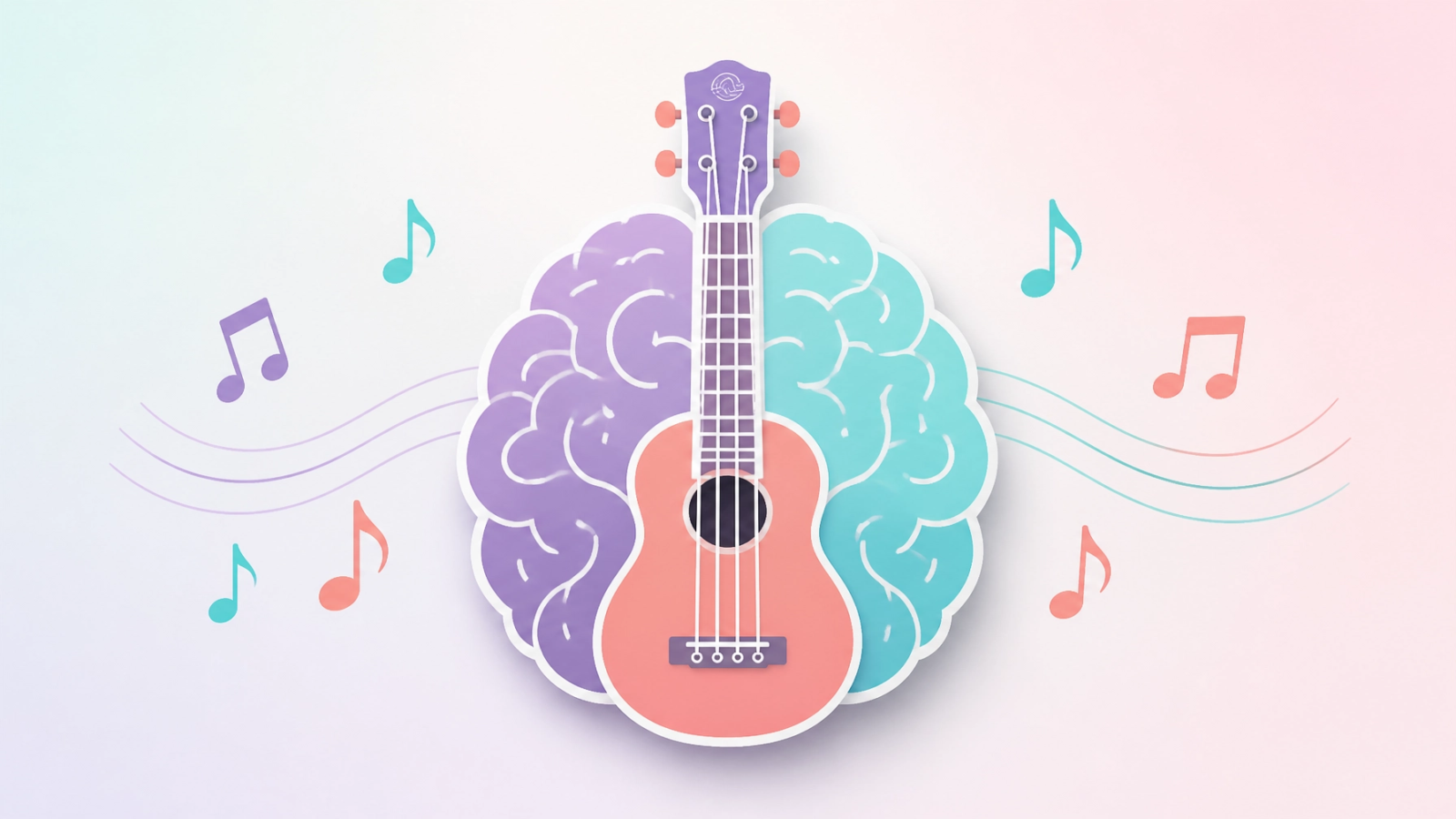
The human brain is characterized by its remarkable ability to reorganize itself by forming new neural connections throughout life. This phenomenon, known as neural plasticity, is at the core of how you acquire complex skills and adapt to new cognitive demands. While many believe that learning a musical instrument is simply a recreational pursuit, the neuroscientific evidence suggests a far more profound impact. When you engage in ukulele lessons Ottawa, you are not just learning a four-stringed instrument; you are participating in a highly structured form of cognitive training that effectively reconfigures your brain's architecture.
The ukulele, often underestimated due to its compact size, offers a unique set of sensory and motor challenges that stimulate multiple brain regions simultaneously. This process of experience-dependent plasticity is particularly potent in children, but it remains a vital mechanism for cognitive health in adults as well. By examining the intersection of auditory processing, motor coordination, and executive function, you can begin to appreciate the sophisticated biological transformations occurring during every practice session.
The Sensorimotor Loop and Cortical Reorganization
Learning the ukulele requires the integration of disparate sensory inputs and precise motor outputs. Your left hand must navigate the fretboard with high-order finger independence to form chords, while your right hand executes rhythmic strumming patterns. This bimanual coordination demands a high degree of communication between the left and right hemispheres of the brain via the corpus callosum.
Research in the field of neuroscience indicates that stringed instrument training leads to an expansion of the motor cortex, specifically the areas dedicated to hand and finger movements. This cortical reorganization is a direct result of the repetitive, focused practice required to master transitions between chords. As you progress through ukulele lessons Ottawa, the somatosensory cortex also undergoes changes to accommodate the increased tactile sensitivity needed to feel the tension of the strings and the position of the frets.

This motor training is not isolated. It operates within a sensorimotor loop where the auditory feedback from the instrument informs subsequent motor adjustments. This biofeedback loop reinforces the neural pathways associated with accuracy and timing. For students also exploring piano lessons Ottawa or woodwinds like the clarinet, this type of coordination becomes even more specialized, but the foundational principle of dual-handed synchronization remains a primary driver of neural connectivity.
Auditory Processing and Pitch Discrimination
The ukulele challenges your auditory system to identify subtle differences in pitch and tone. Because it is a fretted instrument, it provides a stable reference for intonation, yet the nuance of string vibration and resonance requires keen attention. Engaging in musical training enhances your brain's ability to process speech sounds and improves your auditory discrimination.
In the context of online flute lessons, students must focus on air support and embouchure to maintain pitch, whereas ukulele students focus on the physical placement of fingers. Both disciplines contribute to what researchers call the musicians advantage in auditory processing. This refers to the superior ability of musicians to pick out specific sounds from background noise, a skill directly related to the strength of the neural connections between the auditory cortex and the frontal lobes.

When you study music theory lessons online, you further bridge the gap between abstract symbols and auditory perception. This theoretical understanding acts as a scaffolding for your practical skills, allowing the brain to map sounds onto a structured cognitive framework. This multi-modal approach to learning is one of the most effective ways to promote long-term plastic changes in the brain.
Strengthening Executive Function through Musical Scaffolding
Executive functions are the high-level cognitive processes that allow you to plan, focus attention, remember instructions, and juggle multiple tasks successfully. Playing the ukulele is an intensive exercise for these functions. To play a single song, you must hold the chord sequence in your working memory, inhibit the urge to play too fast, and flexibly shift your attention between your left-hand finger placement and your right-hand rhythm.
- Working Memory: Recalling the sequence of chords and lyrics in real time.
- Inhibition: Controlling the physical impulses to maintain a steady tempo.
- Cognitive Flexibility: Transitioning seamlessly between different musical styles or keys.
These cognitive benefits extend far beyond the music studio. Improved executive function is strongly correlated with better academic performance and professional productivity. By participating in regular lessons, you are essentially providing your brain with a gym for its most critical control systems. At Allegro Ma Non Troppo, our Master-level teachers utilize pedagogical strategies that reinforce these executive skills, ensuring that every session contributes to your cognitive development.
The Cognitive Intersection of Music and Bilingualism
At Allegro Ma Non Troppo, we provide instruction in both English and Spanish, creating a unique environment for bilingual music lessons. The intersection of music and language is a significant area of interest in psychology and neuroscience. Both music and language require the brain to process temporal sequences and tonal variations.

Learning music in a bilingual setting adds an additional layer of cognitive demand, which can lead to enhanced neural efficiency. When a student navigates instructions in a second language while simultaneously performing on an instrument, they are engaging in complex task-switching. This strengthens the brain's executive control network even further than monolingual music instruction might. Whether you are taking clarinet lessons Ottawa or learning the ukulele, the bilingual component serves as a powerful catalyst for neural plasticity.
Environmental and Logistical Factors in Brain Health
The environment in which you learn significantly impacts the efficacy of your neural encoding. Learning in a space where you feel comfortable and focused allows the brain to enter a state of high receptivity. Whether you choose to join us at our Ottawa studio or through our online platform, the quality of the instruction remains consistently high.
The flexibility of our scheduling: offering 30, 45, and 60-minute options: ensures that you can maintain a consistent practice routine without the stress of rigid time constraints. Consistency is the most important factor in inducing permanent changes in neural architecture. Short, frequent bursts of practice are more effective for plasticity than long, infrequent sessions.

Our pricing structure is designed to facilitate this consistency. We offer transparent rates and discounts for those committed to their cognitive and musical journey:
- Single 30-minute trial lesson: $30
- Standard 30-minute lesson: $35
- Lesson bundles of 5, 10, or 15: Starting at $175 (with tiered savings)
- Family Plan: 10% discount for families with 3 or more members
These options allow you to integrate music into your life in a way that is sustainable and rewarding. By removing the barriers to entry and providing expert support, we help you focus on the physiological and cognitive rewards of your musical practice.
Conclusion
The evidence is clear: the act of learning an instrument like the ukulele induces tangible changes in the brain's structure and function. From the reorganization of the motor cortex to the enhancement of executive functions and auditory processing, the benefits of ukulele lessons Ottawa are backed by rigorous scientific principles. When combined with the cognitive advantages of bilingual instruction, the result is a powerful tool for lifelong brain health and development.
Leave A Comment