
 Cart is empty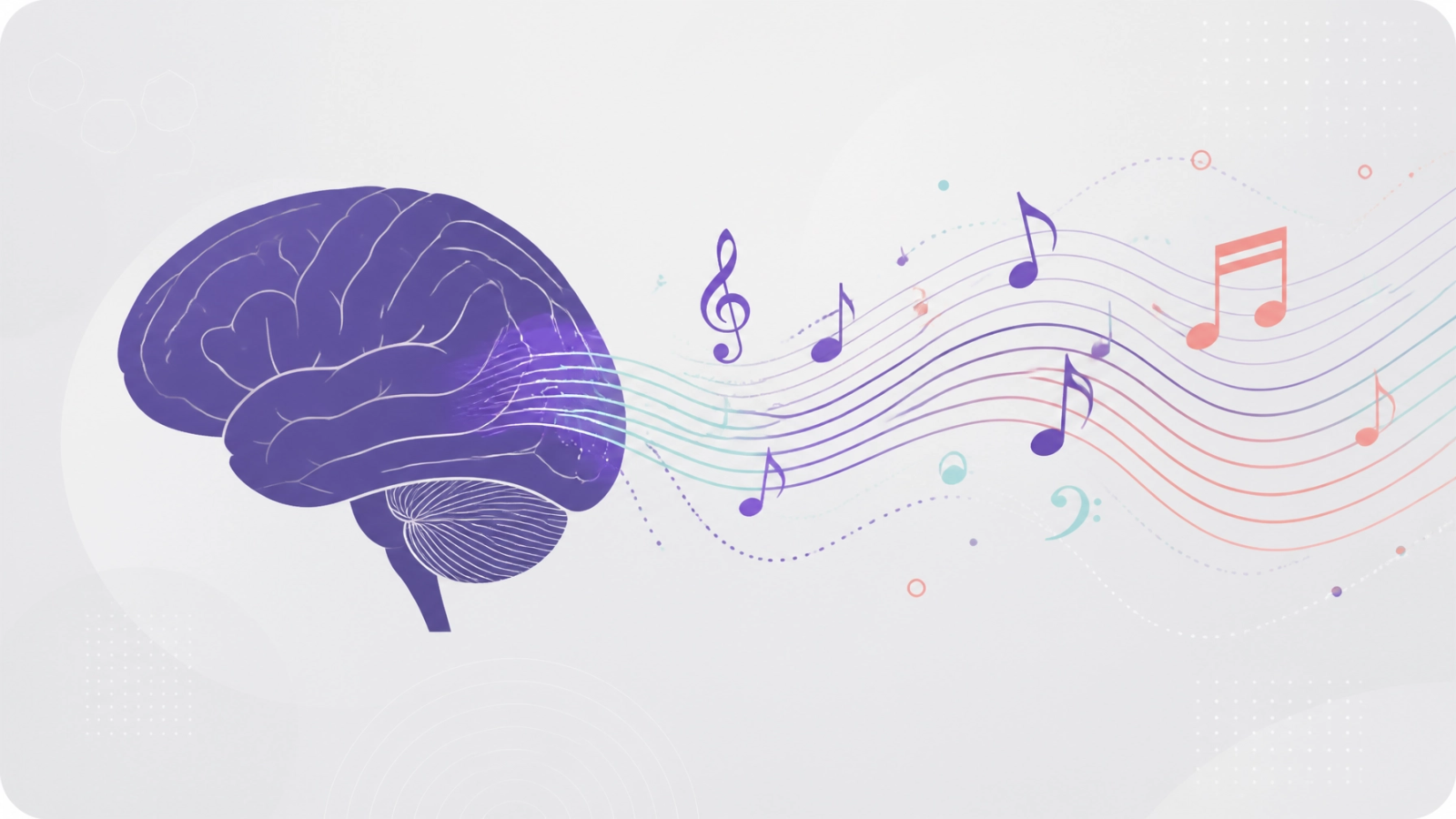
The human brain possesses an extraordinary capacity for self-organization and adaptation, a phenomenon known in neuroscience as neuroplasticity. This biological process involves the strengthening of synaptic connections and the structural reorganization of neural pathways in response to external stimuli. While various activities can trigger these changes, instrumental music training: specifically the mastery of wind instruments: presents a unique and highly complex multimodal challenge to the central nervous system. Engaging in online flute lessons does not merely result in the acquisition of a new skill; it physically alters the architecture of the brain, optimizing neural connectivity and enhancing cognitive performance across multiple domains.
Research into the neuroscience of music demonstrates that the act of playing an instrument like the flute requires the simultaneous integration of visual, auditory, and motor information. For a student participating in flute lessons Ottawa, the brain must process musical notation (visual), translate it into precise finger movements (motor), and immediately evaluate the resulting sound for pitch and timbre (auditory). This continuous feedback loop, characterized by high temporal precision, is a primary driver of structural and functional plasticity.
The Science of Auditory-Motor Coupling
At the heart of the neuroplastic changes induced by online flute lessons is the concept of auditory-motor integration. When you play the flute, your brain must synchronize the motor output of your fingers, lips (embouchure), and diaphragm with the auditory input you receive. This process relies heavily on the arcuate fasciculus, a prominent white matter tract that connects the temporal and frontal lobes, facilitating communication between the auditory and motor cortices.
Studies utilizing Diffusion Tensor Imaging (DTI) have shown that musicians who specialize in wind instruments often exhibit increased white matter integrity in these regions (Wan and Schlaug, 2010). This increased integrity signifies more efficient signal transmission between the areas of the brain responsible for hearing and those responsible for movement. By choosing online flute lessons, you are essentially engaging in high-intensity training for these neural highways, leading to faster processing speeds and superior coordination.

Structural Changes in the Motor Cortex
The flute is an instrument of extreme technical demand, requiring rapid and independent movement of the fingers on both hands. This bimanual coordination is supported by the primary motor cortex and the corpus callosum: the bridge of nerve fibers connecting the left and right hemispheres. Longitudinal studies have demonstrated that early and consistent instrumental training leads to an expansion of the motor cortex representations for the hands and fingers.
Furthermore, unlike other instruments, the flute requires a specialized type of orofacial motor control. The precision needed for the embouchure: the position and tension of the lips: demands significant neural resources from the cortical regions controlling the face and mouth. As you progress through online flute lessons, your brain allocates more grey matter to these specific tasks, a clear indicator of structural neuroplasticity. This type of development is similar to the fine motor refinements observed in students taking beginner piano lessons or online clarinet lessons, though each instrument offers its own specific neurological profile.
Respiratory Physiology and Autonomic Regulation
A distinctive feature of flute training is the intensive requirement for breath control and respiratory management. Flutists must learn to modulate air pressure and flow with surgical precision to maintain intonation and dynamics. This physiological demand engages the brainstem’s respiratory centers and the prefrontal cortex, which provides top-down modulation of the diaphragm and intercostal muscles.
From a psychological perspective, this regulated breathing has profound effects on the autonomic nervous system. Scientific research suggests that the deep, rhythmic breathing patterns required for the flute activate the parasympathetic nervous system, effectively lowering cortisol levels and reducing physiological stress markers. This makes music lessons Ottawa an effective tool not only for cognitive development but also for emotional regulation and resilience. This benefit is shared across many of our programs, including ukulele lessons Ottawa and kids music lessons Ottawa, where rhythm and breath play central roles.

Cognitive Reserve and Executive Function
Engaging in music theory lessons online alongside practical flute training provides an additional layer of cognitive stimulation. The study of musical syntax and grammar: analyzing how notes and rhythms harmonize: exercises the same neural circuits used for logical-mathematical reasoning and linguistic processing. This dual engagement helps build what researchers call cognitive reserve, which is the brain's ability to withstand age-related decline or neurological injury.
The executive functions: a set of cognitive processes including working memory, cognitive flexibility, and inhibitory control: are also significantly enhanced. For instance, when a student in flute lessons Ottawa sight-reads a complex piece, they must hold the visual information in their working memory while planning the motor execution for the next measure. This constant multitasking strengthens the prefrontal cortex, the hub of executive function.
The Advantage of Bilingual Instruction
At Allegro Ma Non Troppo, we emphasize the neurological benefits of bilingual music lessons. Learning music in both English and Spanish provides a unique form of cognitive scaffolding. The brain must navigate two different linguistic systems while simultaneously processing the universal language of music. Research indicates that bilingual individuals often exhibit enhanced neuroplasticity in the auditory cortex, as they are trained to distinguish subtle differences in phonetic and musical sounds more effectively than monolinguals.
This multimodal approach to learning ensures that our students: whether they are taking piano lessons Ottawa or exploring the flute: receive a comprehensive cognitive workout that resonates through every aspect of their academic and professional lives.

Environmental Factors and Online Learning Efficacy
The shift toward digital pedagogy has raised questions about the efficacy of online instruction. However, from a cognitive perspective, online flute lessons offer several environmental advantages that can actually facilitate neuroplasticity. Learning in a familiar, comfortable environment reduces the cognitive load associated with performance anxiety and travel, allowing the brain to focus more fully on the pedagogical material.
Our virtual platform utilizes high-definition audio and visual technology to ensure that the auditory-motor feedback loop remains intact. Students can access specialized support and flexible scheduling, ensuring that practice sessions occur when the brain is most receptive to learning.
Logistics and Accessing Professional Instruction
Allegro Ma Non Troppo provides a structured pathway for students to access these neurological benefits. Our methodology is grounded in pedagogical science and delivered by Master-level instructors. We offer flexible scheduling options to accommodate the demands of modern lifestyles, with sessions available in various durations to suit different attention spans and goals.
The following pricing structure reflects our commitment to transparent and accessible music education:
- Trial Lesson: $0.00
- 30 Minute Lesson:
$35.00$31.50 (available with lesson bundle discounts) - 45 Minute Lesson:
$50.00$45.00 - 60 Minute Lesson:
$65.00$58.50
We also offer a Family Plan, which provides significant savings for households with 3 or more members enrolled, ensuring that the benefits of music education are available to the entire community. Whether you choose to visit our Ottawa studio or join us online, our instructors provide a personalized curriculum that aligns with your specific cognitive and musical objectives.
Conclusion: The Resonant Brain
The evidence is clear: the brain is not a static organ but a dynamic system that can be reshaped through dedicated musical practice. By engaging in online flute lessons, you are participating in a scientifically-backed form of neural enhancement. From the strengthening of white matter tracts to the expansion of the motor cortex and the optimization of respiratory control, the flute acts as a powerful catalyst for neuroplasticity.
At Allegro Ma Non Troppo, we provide the expert guidance and scientific framework necessary for you to achieve these cognitive milestones. Our bilingual, expert-led instruction is designed to help you reach your full potential, one note at a time.
Leave A Comment