
 Cart is empty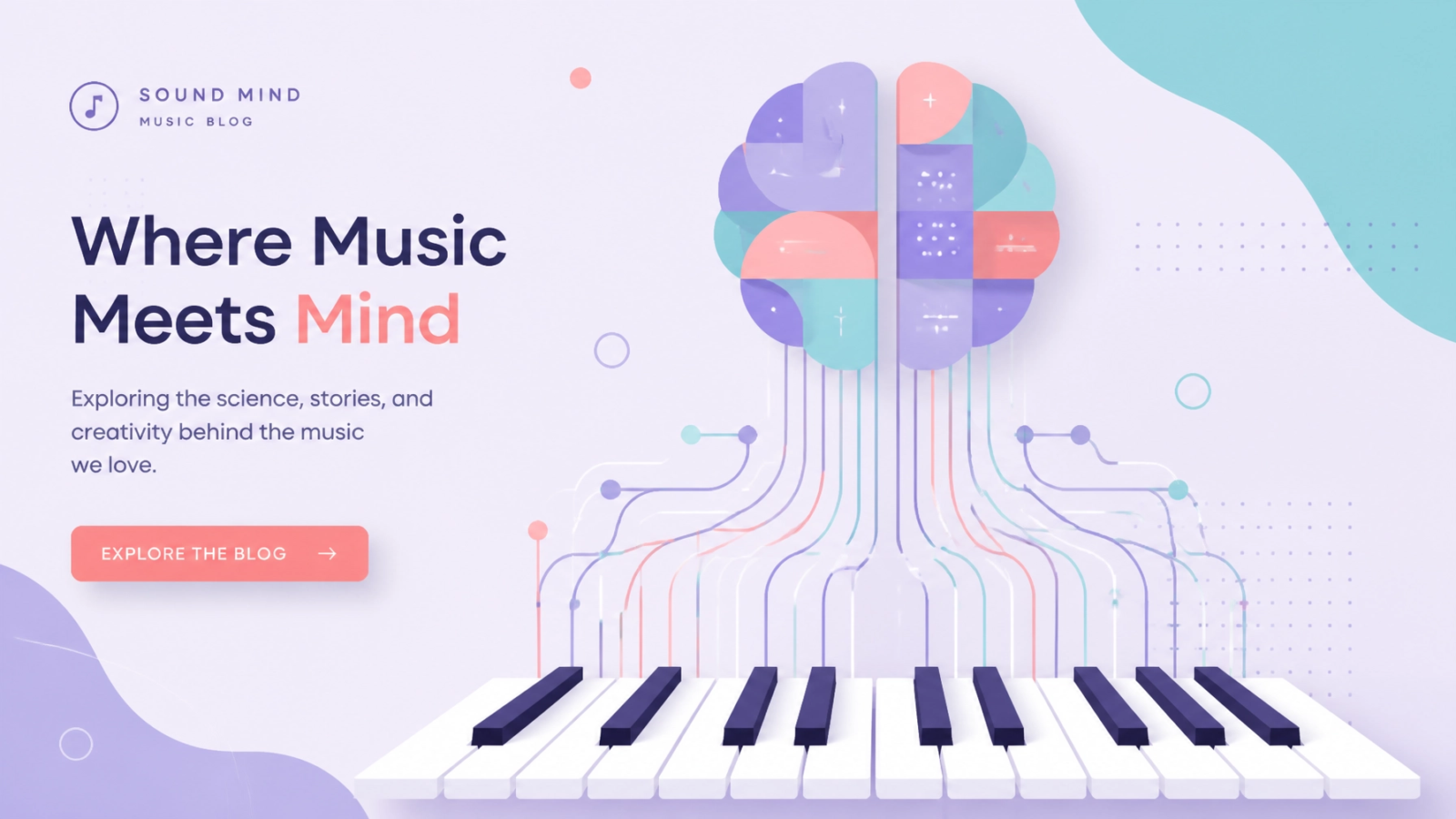
The pursuit of advanced piano proficiency represents one of the most complex cognitive undertakings available to the human brain. Unlike many other forms of specialized training, piano mastery requires the simultaneous integration of multi-modal sensory inputs, precise motor outputs, and sophisticated abstract reasoning. Research in neuroscience and pedagogy suggests that this sustained engagement does not merely refine a skill; it fundamentally alters the cognitive architecture of the practitioner. This phenomenon, known as experience-dependent neural plasticity, provides a rigorous framework for understanding how piano lessons Ottawa and systematic study can enhance lifelong cognitive function.
The Bilateral Integration of Keyboard Practice
One of the most striking physiological signatures of advanced piano training is the development of the corpus callosum. This massive bundle of nerve fibers facilitates communication between the left and right cerebral hemispheres. For the advanced pianist, the requirement for independent yet highly coordinated bimanual movement creates a unique demand for inter-hemispheric signal transduction.
- Professional training fosters an increase in the volume and efficiency of the corpus callosum.
- The motor cortex undergoes structural reorganization to manage the fine motor requirements of independent finger movements.
- This bilateral communication enhances overall cognitive flexibility, allowing you to process information across disparate neural networks with greater speed.

At Allegro Ma Non Troppo, our pedagogical approach focuses on these bilateral mechanics from the first session. Whether you are engaging in bilingual music lessons (clases de música bilingües) or specialized studio sessions, the focus remains on the structural mastery of the instrument. This foundational work is essential for anyone seeking the deep cognitive rewiring associated with advanced musicality.
Executive Function: Inhibitory Control and Working Memory
Executive function refers to the high-level cognitive processes that enable goal-directed behavior. Advanced piano training acts as a rigorous exercise for the prefrontal cortex, the primary seat of executive function. When you perform a complex composition, your brain must manage several tasks simultaneously: decoding musical notation, maintaining rhythmic entrainment, and monitoring auditory feedback.
- Inhibitory Control: The ability to suppress irrelevant stimuli is critical during performance. Advanced training improves your capacity to ignore distractions and maintain focus on complex sequences.
- Working Memory: Pianists must hold vast amounts of information in their immediate consciousness, including upcoming phrases, structural milestones, and technical requirements.
- Processing Speed: The rapid translation of visual symbols into motor actions accelerates neural signal processing, a benefit that transfers to other academic and professional domains.

This development of executive function is supported by our curriculum in music theory lessons online. By understanding the underlying architecture of the music, you reduce the cognitive load on your working memory, allowing for more fluid and sophisticated execution. Our expert, Master-level teachers utilize scaffolding techniques to ensure that these cognitive demands are introduced systematically, preventing cognitive overload and fostering sustainable growth.
Auditory Processing and Signal Transduction
The auditory system of an advanced pianist is highly tuned to detect subtle variations in pitch, timbre, and timing. This refinement is not limited to musical contexts; it extends to linguistic processing and general auditory attention. Neural entrainment: the process by which brain waves synchronize with the rhythm of the music: plays a pivotal role in this development.
- Enhanced Signal-to-Noise Ratio: Trained musicians are often better at extracting specific sounds from noisy environments, a skill known as the cocktail party effect.
- Neuroplasticity in the Auditory Cortex: Sustained practice leads to an expansion of the cortical representation of frequencies relevant to the instrument.
- Multimodal Integration: The brain becomes more efficient at correlating what you see (the score), what you do (the movement), and what you hear (the sound).
This auditory refinement is a core component of our music lessons Ottawa. By training the ear to recognize complex harmonies and rhythmic structures, students build a more robust neural foundation for all types of auditory learning.

Cognitive Reserve and Lifelong Neuroplasticity
One of the most significant research-backed benefits of piano mastery is its contribution to cognitive reserve. This concept explains why individuals with high levels of mental stimulation are better able to withstand age-related cognitive decline. Advanced musical training is particularly effective because it is multimodal and requires continuous learning.
- Sustained piano study has been linked to the preservation of non-verbal memory and executive function in older age.
- Even those who begin training later in life can induce functional neuroplasticity, demonstrating that the adult brain remains capable of significant structural change.
- The complexity of keyboard training provides a potent stimulus that helps maintain the health of the fronto-parietal executive networks.
Whether you are a student in a school band looking to refine your skills or an adult seeking a sophisticated mental challenge, the cognitive benefits of piano are accessible. Our instructors provide personalized instruction that respects your unique cognitive goals, whether you are studying piano, flute, or clarinet.
Professional Pedagogy in Ottawa and Online
Allegro Ma Non Troppo offers a premium environment for those committed to the science of music. We provide bilingual instruction in English and Spanish, catering to the diverse community in Ottawa and our global online students. Our instructors hold Master-level credentials and are trained to deliver high-level, research-backed pedagogy.

Our studio in Ottawa provides a professional space for in-person learning, while our online platform offers the flexibility to learn from any location. We understand that advanced study requires a significant commitment of time and cognitive energy, which is why we offer flexible scheduling to accommodate the professional and academic lives of our students.
Logistical Transparency and Structure
We prioritize total transparency in our operations to ensure a professional and seamless experience for all participants. Our lesson plans are designed to be flexible, offering various durations to suit your specific learning needs:
- Trial Lesson: 0$ (Free for all new students)
- 30-Minute Sessions: Designed for focused, high-intensity technical work.
- 45-Minute Sessions: Ideal for a balance of repertoire and theory.
- 60-Minute Sessions: Recommended for advanced students requiring deep dives into complex material.
For families seeking a comprehensive approach to music education, we offer a Family Plan that provides savings for three or more members. We also provide significant discounts on lesson bundles, allowing you to invest in long-term cognitive development at a reduced rate. Our policies are designed to be proactive and instructional, setting clear expectations for attendance, practice, and progression.
The journey toward piano mastery is a journey toward a more efficient and capable brain. By engaging with the cognitive architecture of the instrument, you are not just learning to play music; you are training your mind to perform at its peak.
Leave A Comment