
 Cart is empty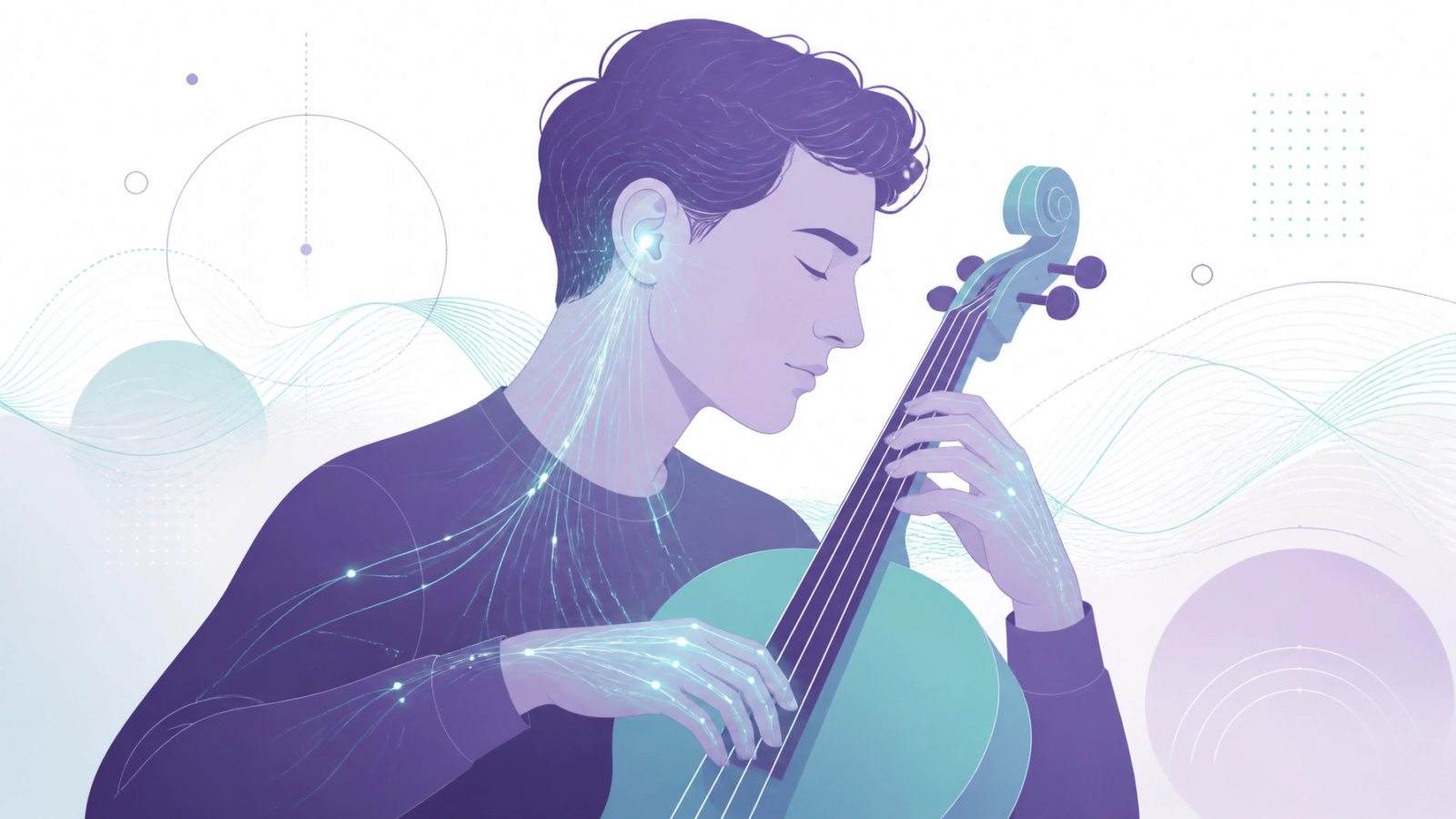
The acquisition of musical proficiency is not merely an artistic endeavor but a complex neurological process involving the integration of sensory, motor, and cognitive systems. At the core of this development is proprioception: the internal sense of body position and movement: and the mechanism of biofeedback, which allows for real-time correction of technique. For families seeking bilingual music lessons in Ottawa, understanding these scientific principles is essential for optimizing a child's brain development and technical mastery.
The Science of Proprioception in Musical Training
Proprioception is the process by which the nervous system utilizes signals from mechanoreceptors in the muscles, tendons, and joints to determine the position of limbs in space. In music education, this "sixth sense" is the foundation of technical accuracy. Whether a student is engaged in piano lessons Ottawa or learning the intricacies of online flute lessons, the brain must build a precise internal map of the instrument.
This internal mapping, or body schema, is refined through repetitive practice and sensory feedback. When a student strikes a key or covers a tone hole, the brain compares the intended motor command with the actual sensory outcome. This comparison occurs in the cerebellum, which acts as the brain's quality control center. Through a process known as sensorimotor predictive processing, the brain learns to anticipate the sensory consequences of a movement, allowing for increasingly fluid and automatic performance.
Biofeedback and the Real-Time Correction Loop
Biofeedback in music refers to the use of auditory and visual signals to provide information about physiological or biomechanical processes. In a professional pedagogical setting, the teacher serves as the primary external biofeedback mechanism. By providing immediate, expert correction on posture, hand position, and tone production, the instructor helps the student close the loop between action and outcome.

The neurological efficacy of biofeedback is rooted in the basal ganglia and the reward system. When a student receives feedback that leads to a more resonant tone or a more accurate rhythm, the brain releases dopamine. This neurochemical signal marks the successful motor pattern as "rewarding," reinforcing the neural pathways associated with that specific movement. This reinforcement learning is why real-time correction is significantly more effective than delayed feedback, as it allows the brain to immediately associate the correct motor action with the desired auditory result.
Proprioceptive Refinement in Woodwinds
For students enrolled in flute or clarinet lessons Ottawa, proprioception is uniquely tied to the respiratory system and fine motor control of the embouchure. The challenge for woodwind players is that many of the critical physiological adjustments occur within the oral cavity or through subtle changes in air pressure: areas that are not visible to the student.
- Airflow Dynamics: Students must develop an internal sense of the speed and volume of air required for different registers.
- Embouchure Stability: Real-time correction from a master-level teacher helps the student map the precise muscle tension in the lips and face to the resulting pitch and timbre.
- Finger Precision: Covering tone holes requires a high degree of tactile feedback to ensure an airtight seal, which is essential for note clarity.
At Allegro Ma Non Troppo, our instructors utilize specialized woodwind pedagogy to make these abstract concepts concrete. By sonifying movement: associating specific sounds with specific physical sensations: we accelerate the student's ability to self-correct during independent practice.
Motor Control and Feedback in Piano and Ukulele
In ukulele lessons Ottawa, the focus shifts to string-based proprioception. The student must learn to exert the exact amount of pressure required to fret a note without causing excessive muscle tension. This requires a delicate balance of motor control that is best developed under expert supervision.

Similarly, in piano pedagogy, dual-handed coordination requires the brain to process multiple streams of feedback simultaneously. The tactile sensation of the key's resistance, the auditory feedback of the volume, and the visual feedback of hand position must all be integrated. This multi-modal integration enhances neural plasticity, particularly in the corpus callosum, the bridge between the two hemispheres of the brain.

Cognitive Advantages of Bilingual Musical Instruction
Allegro Ma Non Troppo provides instruction in both English and Spanish, a feature that offers additional cognitive benefits. Research in the field of auditory processing suggests that bilingualism and musical training both enhance the brain's ability to focus on relevant sounds while filtering out background noise.
When a student learns music in a bilingual environment, they are engaging in complex inhibitory control and task-switching. This strengthens executive functions: the cognitive processes that allow for planning, focusing attention, and juggling multiple tasks. The combination of linguistic and musical feedback creates a highly enriched environment for childhood brain development.
Strategic Benefits of Online and Studio Lessons
Whether you choose to join us at our Ottawa studio or through music theory lessons online, the pedagogical approach remains focused on high-authority, evidence-based instruction. Online learning offers specific environmental advantages, such as the comfort of the home environment, which can reduce performance anxiety and allow for a more focused state of physiological arousal during the learning process.
Our digital platform ensures that the real-time correction loop remains intact. Through high-definition audio and video, instructors can observe and correct posture and technique as effectively as in person. This flexibility allows families to maintain a consistent schedule, which is critical for the long-term consolidation of motor skills.
Logistical Framework and Enrollment Options
Allegro Ma Non Troppo offers a transparent and structured approach to music education. We prioritize accessibility and flexibility to accommodate the diverse needs of the Ottawa community.
- Lesson Duration: We offer 30, 45, and 60-minute options to suit different age groups and attention spans.
- Expert Faculty: All lessons are conducted by Master-level teachers with deep expertise in their respective instruments.
- Support for School Bands: Specialized instruction is available for students participating in school band programs who require advanced technical support.
- Bilingual Instruction: Available in English and Spanish for all instruments.
Our pricing structure is designed to reward commitment and support families:
- Single Trial Lesson: $0 (Free)
- Standard 30-Minute Lesson: $35
- Standard 45-Minute Lesson: $52.50
- Standard 60-Minute Lesson: $70
- Lesson Bundles: Discounts are available for pre-purchased blocks of 5 or 10 lessons.
- Family Plan: Savings are available for families with 3 or more members enrolled.

Conclusion
The integration of biofeedback and proprioceptive training into music education provides a rigorous framework for brain success. By focusing on the physiological and neurological aspects of learning, Allegro Ma Non Troppo ensures that students do not just play an instrument, but develop the motor control, executive function, and sensory awareness that will benefit them across all academic and personal pursuits. The evidence is clear: professional, real-time instruction is the most effective way to harness the power of neural plasticity.
Leave A Comment