
 Cart is empty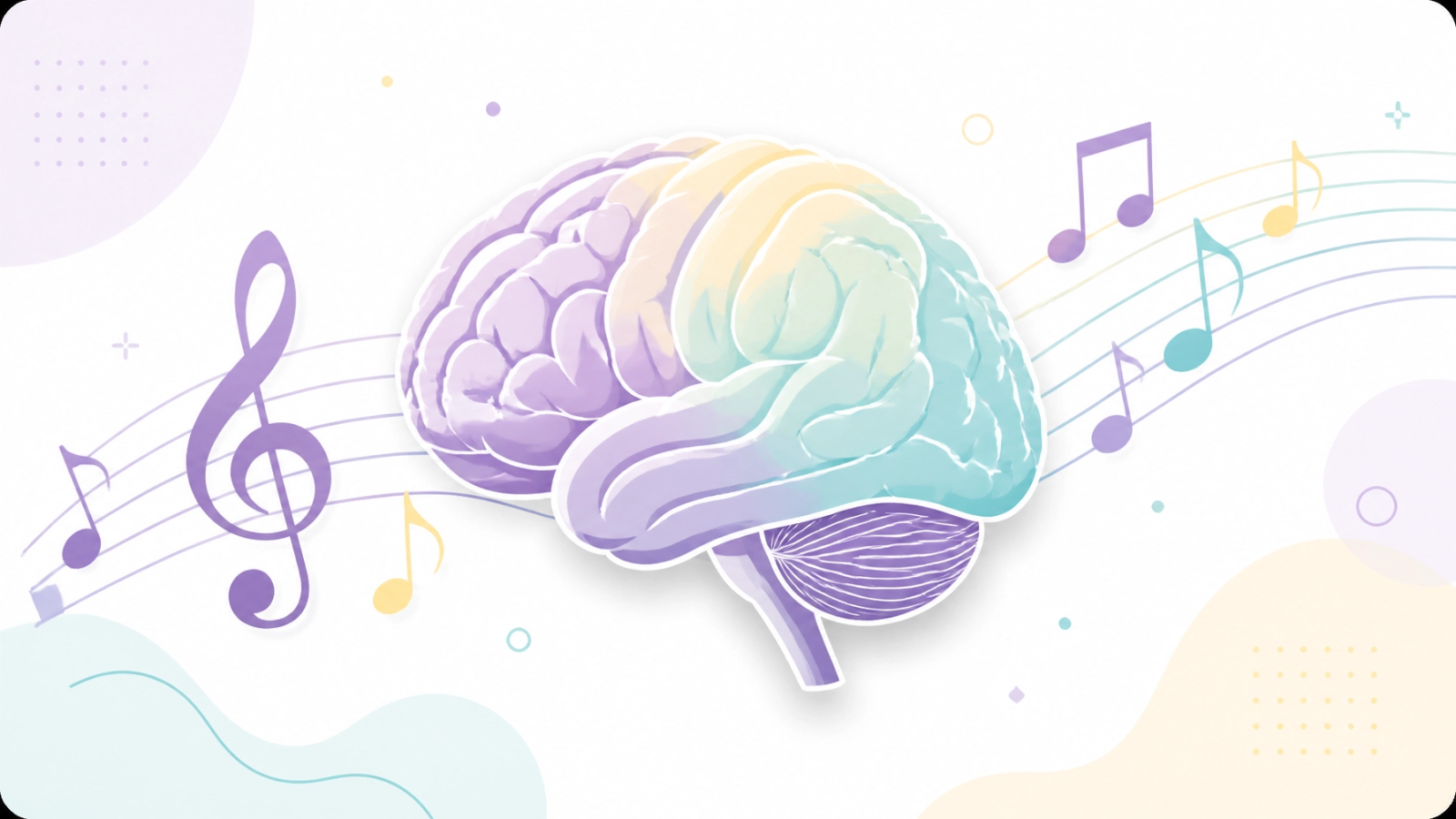
The pursuit of musical proficiency is often perceived as a purely artistic endeavor, centered on the physical manipulation of an instrument and the emotional expression of sound. However, modern pedagogical research and neuroscience indicate that the most effective path to mastery lies in the rigorous study of the underlying structural logic: music theory. By enrolling in music theory lessons online, students engage in a systematic process of cognitive development that serves as a catalyst for all other forms of musical execution.
Music theory provides the essential framework for understanding the architecture of sound. It shifts the learning process from rote imitation to analytical comprehension, allowing the brain to decode complex auditory information with greater efficiency. Whether you are pursuing flute lessons in Ottawa or exploring the foundational structures of the clarinet, the integration of theoretical knowledge ensures that your progress is both accelerated and sustainable.
The Neurobiology of Music Theory
The human brain is uniquely responsive to the organized patterns of music. When you study music theory lessons online, you are not merely learning definitions; you are engaging in a high-level cognitive exercise that promotes neural plasticity. Neural plasticity refers to the brain's capacity to reorganize itself by forming new neural connections in response to learning and experience.
Theoretical study targets several key areas of the brain:
- The auditory cortex: Responsible for processing pitch, timbre, and rhythm. Theory refines this processing, enabling a more granular level of auditory discrimination.
- The prefrontal cortex: Involved in executive functions such as planning, decision-making, and complex pattern recognition.
- The hippocampus: Crucial for the formation of long-term memories, particularly the retrieval of scales, intervals, and harmonic structures.
By conceptualizing music as a system of relationships rather than isolated notes, students build a mental map that enhances their auditory processing. This scientific approach to music lessons Ottawa ensures that every hour of practice is optimized for maximum cognitive benefit.

Accelerating Instrumental Mastery
The relationship between theory and performance is symbiotic. For students in specialized programs, such as clarinet lessons Ottawa, theoretical knowledge acts as a form of predictive logic. A student who understands the functional harmony of a piece can anticipate the next sequence of notes, reducing the cognitive load during performance.
This reduction in cognitive load allows the musician to focus on technical precision and breath control. In woodwind instruments like the flute, where air management is paramount, the ability to mentally "read ahead" through harmonic analysis provides the space necessary for superior physical execution. The science of music theory enables students to identify structural landmarks within a composition, transforming a daunting page of notation into a series of logical, manageable patterns.
Furthermore, for those involved in school band programs, a solid foundation in music theory is indispensable. It facilitates faster sight-reading and a more profound understanding of how individual parts contribute to the collective harmony of the ensemble. At Allegro Ma Non Troppo, our master-level teachers utilize pedagogical scaffolding to ensure that students transition seamlessly from basic recognition to advanced analysis.
Cognitive Scaffolding in Piano and Ukulele Instruction
The benefits of music theory extend across all instruments, including those often viewed as more accessible. In piano lessons in Ottawa, the visual layout of the keyboard serves as a physical representation of theoretical concepts. Learning to identify intervals, chords, and scales on the piano reinforces logical thinking and spatial reasoning.
Similarly, the ukulele lessons we offer incorporate introductory string theory, teaching students how to build chords from fundamental intervals. This analytical approach transforms the ukulele from a simple recreational tool into a gateway for harmonic understanding.
Key cognitive benefits of integrated theory and instrument practice include:
- Enhanced working memory: Holding multiple musical rules in mind while executing physical movements.
- Improved motor coordination: Synchronizing the brain's theoretical command with the fine motor skills required for strings or keys.
- Advanced pattern recognition: The ability to identify recurring motifs and structural repetitions in diverse musical genres.

The Efficacy of Digital Learning Environments
The transition to online lessons has revolutionized the way music theory is taught. A digital environment offers unique advantages for theoretical study, including the use of interactive software, real-time notation sharing, and digital archives of musical scores. The flexibility of an online format allows students to engage with complex material from the comfort of their own environment, reducing the environmental stressors that can sometimes impede learning in a traditional classroom setting.
Online music theory lessons at Allegro Ma Non Troppo are designed to be as rigorous and interactive as our in-person sessions at the Ottawa studio. Our instructors utilize high-definition audio and video to ensure that the subtle nuances of pitch and rhythm are communicated clearly. This digital methodology supports a more personalized pace, allowing students to revisit challenging concepts such as counterpoint or advanced orchestration until full mastery is achieved.
Bilingual Instruction and Executive Function
One of the distinguishing features of Allegro Ma Non Troppo is our commitment to bilingual instruction in English and Spanish. From a scientific perspective, bilingualism is a powerful driver of executive function. When a student engages in music theory lessons in a second language, they are doubling the cognitive challenge and, consequently, the cognitive reward.
The brain must navigate two different sets of linguistic labels for the same musical concepts (e.g., "quarter note" and "negra"). This process of code-switching strengthens the brain's inhibitory control and cognitive flexibility. This community-focused approach ensures that our music lessons in Ottawa remain accessible to a diverse population while providing an additional layer of neurological development.

Strategic Logistics and Pricing
We believe in total transparency regarding the logistics of musical education. Our curriculum is structured to accommodate various schedules and goals, ensuring that high-level instruction is accessible to all families in the Ottawa community.
The following pricing and scheduling options are available:
- Free Trial Lesson: Available for all new students to assess compatibility and goals.
- 30-Minute Session:
$50– Ideal for beginners and younger children. - 45-Minute Session:
$70– Suitable for intermediate students requiring deeper theoretical analysis. - 60-Minute Session:
$90– Recommended for advanced students and those preparing for examinations or auditions.
We also offer specialized financial structures to support long-term commitment:
- Lesson Bundles: Discounted rates are applied when purchasing blocks of lessons in advance.
- Family Plan: Significant savings for families with 3 or more members enrolled in any combination of flute, clarinet, piano, ukulele, or theory lessons.
Our registration process is streamlined to prioritize your convenience. Once you choose your preferred instrument and session length, our master-level teachers work with you to create a personalized learning plan that aligns with your specific tastes and academic objectives.
Conclusion: A Strategic Investment in Mastery
Music theory is not an optional supplement to performance; it is the scientific foundation upon which all musical mastery is built. By understanding the "why" behind the "how," students at Allegro Ma Non Troppo develop the cognitive tools necessary to excel in any musical environment. From the enhancement of neural plasticity to the acceleration of instrumental technique, the benefits of a research-backed approach to music education are measurable and profound.
Whether you prefer the immersive experience of our Ottawa studio or the flexibility of music theory lessons online, our expert instructors are dedicated to providing a high-end, personalized experience that respects the science of learning.
Leave A Comment