
 Cart is empty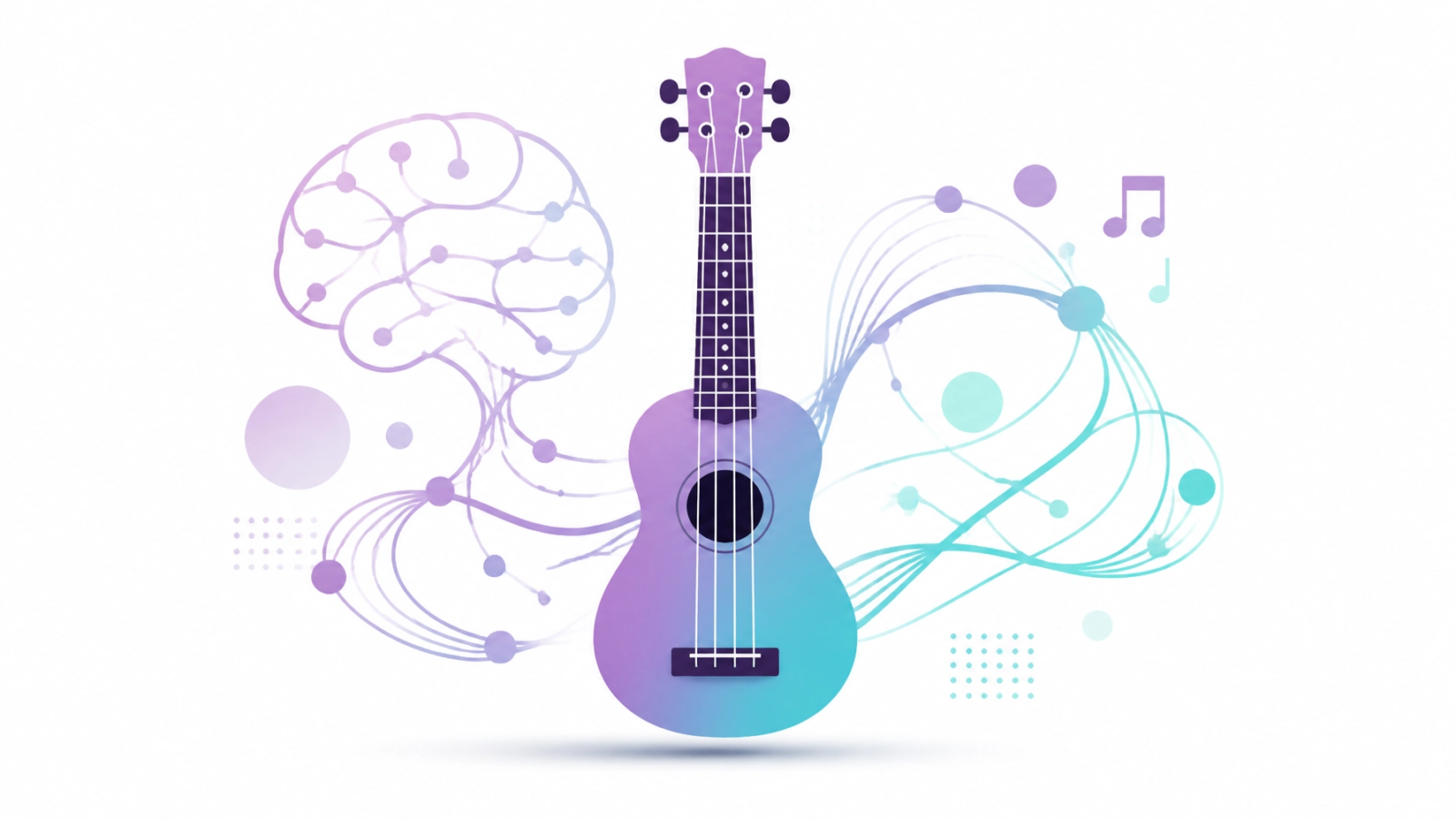
The human brain is characterized by a remarkable capacity for structural and functional reorganization, a phenomenon known as neural plasticity. While this adaptability persists throughout the human lifespan, the windows of heightened sensitivity during childhood and adolescence offer a unique opportunity for cognitive optimization. Scientific literature increasingly identifies instrumental music training as one of the most potent catalysts for this rewiring. Specifically, engaging with stringed instruments like the ukulele requires a complex synthesis of motor, auditory, and visual processing that forces the brain to establish new, high-efficiency neural circuits.
The Biomechanics of String Instrument Engagement
When you begin ukulele lessons Ottawa, you are not merely learning to play a musical instrument; you are engaging in a rigorous form of neuro-rehabilitation and cognitive enhancement. The physical demands of the ukulele are distinct from other families of instruments. The asymmetrical nature of playing: where the left hand performs fine-motor fingering on the fretboard while the right hand manages rhythmic strumming or picking: drives a specialized reorganization of the motor cortex.
Research utilizing neuroimaging has identified a specific anatomical feature known as the omega sign in the precentral gyrus of string players. This structural adaptation is typically more prominent in the right hemisphere, reflecting the intense neurological demand of the left-hand finger movements required to navigate the fretboard. This development is not merely functional; it is structural. Longitudinal studies of children undergoing instrumental training show measurable increases in gray matter volume in sensorimotor cortices after as little as fifteen months of consistent practice.

Structural Plasticity in the Auditory-Motor Pathway
The process of learning the ukulele necessitates the constant mapping of auditory feedback to motor actions. This is referred to as auditory-motor mapping. When you pluck a string, your brain must immediately process the pitch, compare it to the intended note, and adjust your physical posture or finger pressure if a discrepancy exists. This loop strengthens the arcuate fasciculus, a critical white-matter tract that connects the temporal and frontal lobes.
For those pursuing music theory lessons online, this process is further enhanced by the integration of symbolic notation with physical execution. The brain must decode complex visual symbols and translate them into precise temporal and spatial movements. This multi-modal engagement is why music training is often described as a whole-brain workout. At Allegro Ma Non Troppo, we utilize a scaffolding approach to instruction, where complex tasks are broken down into manageable components, allowing the brain to consolidate new pathways before increasing the cognitive load.
Cognitive Transfer and Executive Function
The benefits of ukulele lessons extend far beyond the ability to perform a piece of music. The "transfer effect" describes how the skills developed through musical training enhance non-musical cognitive domains. The most significant impact is observed in executive functions, which include:
- Inhibitory control: The ability to suppress impulsive responses in favor of goal-oriented actions.
- Working memory: The capacity to hold and manipulate information in the mind over short periods.
- Cognitive flexibility: The ability to transition between different concepts or perspectives.
Evidence-based studies, such as the Music4MS trial, have demonstrated that even twelve weeks of ukulele instruction can lead to significant improvements in cognitive flexibility and mood regulation. For children in Ottawa school bands, these cognitive gains often translate into improved academic performance, particularly in areas requiring spatial-temporal reasoning and linguistic processing.

The Role of Bilingual Instruction in Neural Development
At Allegro Ma Non Troppo, we provide bilingual instruction in English and Spanish. This choice is rooted in the cognitive advantages associated with bilingualism. When a student receives music instruction in a second language, the brain must engage in even more complex auditory processing. The intersection of music and language processing utilizes many of the same neural networks, particularly in the left hemisphere's temporal regions.
By integrating bilingual music lessons, we encourage the development of a more robust auditory processing system. This dual-stimulus environment forces the brain to maintain a high level of attentional control, further strengthening the executive functions mentioned previously. Whether you are enrolled in piano lessons Ottawa or pursuing online flute lessons, the inclusion of a second language provides a supplementary layer of cognitive challenge that maximizes the neuroplastic response.

Logistical Framework for Musical Mastery in Ottawa
Our pedagogical model is designed to facilitate consistent, high-quality learning environments that support long-term neural development. We offer a range of flexible options to accommodate the diverse needs of families in the Ottawa community.
Lesson Duration and Options:
- 30-minute sessions: Ideal for younger beginners focusing on foundational motor skills.
- 45-minute sessions: Recommended for intermediate students or those preparing for examinations.
- 60-minute sessions: Designed for advanced students or those combining instrumental training with music theory lessons online.
We understand the logistical challenges faced by modern families. Therefore, we provide both in-person instruction at our Ottawa studio and the option for online lessons to ensure continuity of learning regardless of external circumstances. Our team consists of Master-level teachers who specialize in tailoring instruction to the individual taste and cognitive goals of each student.
Structural Benefits for the Modern Learner
To encourage sustained engagement, which is vital for structural brain changes, we offer several strategic pricing and participation plans:
- Family Plan: Savings for households with three or more members enrolled in lessons.
- Lesson Bundles: Discounted rates are available when purchasing sessions in bulk to promote long-term commitment.
- Free Trial Lesson: A diagnostic session to assess the student's current level and goals before any financial commitment is required.
Current standard rates and bundle pricing are as follows:
- Single 30-minute trial: $35 $0
- Standard 30-minute lesson: $40
- Bundle of 10 lessons (30 minutes): $400 $360
- Bundle of 10 lessons (45 minutes): $600 $540
By removing the barriers to entry and providing a structured, research-backed curriculum, we ensure that the benefits of music education are accessible to the entire Ottawa community. Whether your goal is to support the development of a child's executive functions or to maintain cognitive health as an adult, the ukulele provides a scientifically validated pathway toward neural optimization.

The decision to begin musical training is an investment in the structural integrity and functional efficiency of the brain. Through the targeted use of stringed instruments, the integration of bilingual processing, and a commitment to expert-led scaffolding, you can fundamentally change the way your brain functions.
Leave A Comment