
 Cart is empty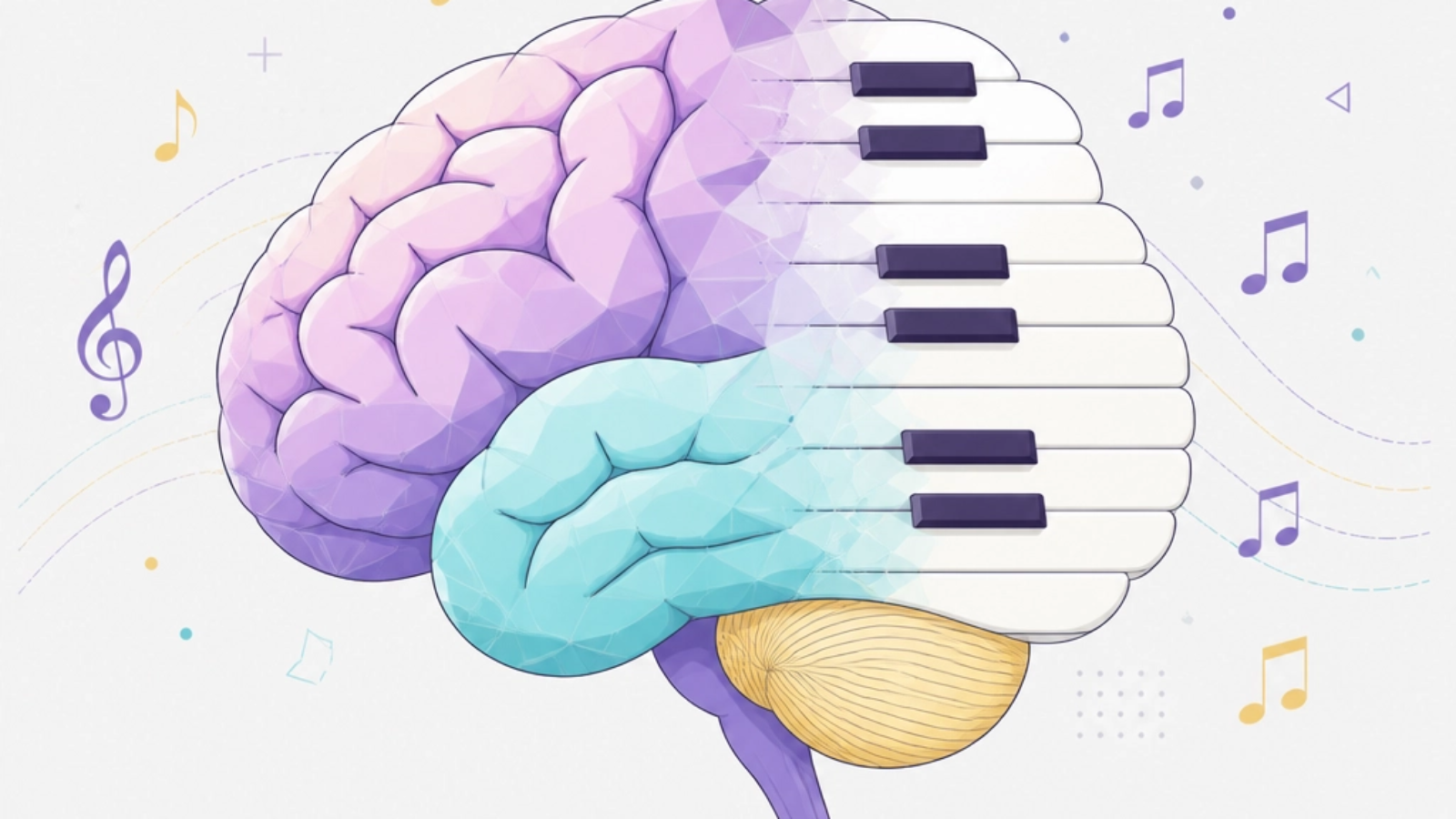
The human brain is a highly adaptive organ, capable of profound structural reorganization in response to environmental stimuli and specialized training. This phenomenon, known as neural plasticity, is perhaps most evident in the context of musical instruction. While many perceive piano lessons as a pursuit of artistic expression or a recreational hobby, current research in neuroscience and pedagogy suggests that piano lessons Ottawa and elsewhere act as a powerful catalyst for neuroanatomical changes. Specifically, the process of learning to navigate a keyboard: which requires the simultaneous processing of visual, auditory, and motor information: reshapes the structural connectivity of the cerebral cortex. This article examines the evidence-based benefits of beginner piano lessons and how they foster long-term cognitive development.
Neural Plasticity and Cortical Reorganization
Neural plasticity refers to the brain's ability to reorganize itself by forming new neural connections throughout life. In the early stages of piano training, the brain undergoes a significant period of scaffolding, where functional changes eventually lead to permanent structural modifications. Research conducted by Gaser and Schlaug (2003) utilized voxel-based morphometry to compare the brains of musicians and non-musicians, revealing significant differences in gray matter volume. These differences were particularly pronounced in the primary motor, premotor, and auditory cortices, as well as the somatosensory areas of the parietal lobe.
For a beginner student, every session involves high-precision motor control and rapid auditory processing. As you engage with the instrument, your brain must map visual symbols (musical notation) onto specific physical gestures (finger movements) while monitoring the resulting acoustic output. This multisensory integration demands high levels of executive function and attention. Over time, these demands lead to increased cortical thickness in regions responsible for hand-eye coordination and spatial reasoning. The study by Gaser and Schlaug suggests that the magnitude of these structural changes is directly correlated with the intensity and duration of training, emphasizing that consistent practice at a beginner level sets the foundation for a more efficient neural architecture.

Motor Cortex Expansion and Fine Motor Skill Development
The piano is unique in its demand for independent finger movement and bimanual coordination. Unlike many instruments that require different roles for each hand, the piano often requires both hands to perform equally complex but distinct tasks. This requirement drives significant changes in the primary motor cortex, specifically within the precentral gyrus.
A landmark longitudinal study by Hyde et al. (2009) followed 6-year-old children with no prior musical experience over a 15-month period of weekly keyboard lessons. Using high-resolution MRI, the researchers documented measurable increases in gray matter volume in the motor cortex. These structural changes were not present in the control group and were significantly correlated with the children’s improvement in fine motor tasks. This evidence indicates that the brain does not merely learn a skill; it physically adapts its hardware to accommodate the demands of the instrument. At Allegro Ma Non Troppo, we utilize these findings to structure our beginner piano lessons, ensuring that students develop the technical proficiency that resonates with their neurological growth.
The Corpus Callosum: Enhancing Inter-Hemispheric Communication
One of the most remarkable findings in musical neuroscience involves the corpus callosum, the large bundle of white matter fibers that connects the left and right cerebral hemispheres. Piano training requires a high degree of synchronization between the hands, necessitating efficient communication between the motor centers of both hemispheres.
Research by Schlaug et al. (1995) demonstrated that musicians who began their training before the age of seven exhibited a significantly larger anterior corpus callosum compared to non-musicians. This structural enhancement facilitates faster transfer of information between hemispheres, which is critical for complex motor tasks and cognitive processing. This "sensitive period" for musical training suggests that starting lessons early can optimize the developmental trajectory of the brain. However, even for adult beginners, the brain maintains sufficient plasticity to strengthen these white matter pathways, improving overall hemispheric synchronization.

Auditory Processing and the Heschl’s Gyrus
While motor skills are a visible outcome of piano lessons, the impact on auditory processing is equally profound. The Heschl’s gyrus, located in the primary auditory cortex, is responsible for processing basic sound features such as pitch and timbre. Systematic music training has been shown to increase the volume of this region, enhancing the brain's ability to discriminate between frequencies and temporal patterns.
This refinement of the auditory system has implications far beyond music. Enhanced auditory processing is closely linked to improved language acquisition and verbal memory. For students in our bilingual music lessons, the ability to discern subtle phonetic differences in both English and Spanish is supported by the heightened sensitivity developed through musical training. Furthermore, the skills learned in music theory lessons Ottawa provide the analytical framework necessary to understand the mathematical and logical structures underlying sound, further engaging the parietal and frontal lobes.
Executive Function and Academic Performance
The cognitive benefits of music training extend into the domain of executive function, which includes working memory, cognitive flexibility, and inhibitory control. Learning the piano requires you to hold musical phrases in your working memory while simultaneously planning future movements and inhibiting incorrect notes.
Studies have shown that children who participate in music lessons exhibit superior performance in standardized tests of verbal and spatial abilities compared to their non-musical peers. This is likely due to the "far-transfer" effect, where the rigorous mental training required for music enhances the neural circuits used for other academic tasks. Whether you are pursuing flute lessons in Ottawa or keyboard instruction, the discipline and cognitive load of the instrument foster a robust mental environment characterized by improved focus and problem-solving skills.

Pedagogical Strategy and Studio Logistics
At Allegro Ma Non Troppo, our instructional model is grounded in these scientific principles. We offer a structured yet flexible environment designed to maximize the developmental benefits of music. Our master-level teachers provide expert guidance in piano, private flute lessons Ottawa, clarinet, and ukulele lessons for kids that really stick.
We recognize that logistical ease is essential for maintaining the consistency required for neural adaptation. Our Ottawa studio offers both in-person and online lessons, providing a controlled yet comfortable environment for learning. We also offer bilingual instruction in English and Spanish, catering to the diverse needs of our community and further stimulating the brain's linguistic centers.
To ensure our services are accessible, we provide a transparent pricing structure and various savings plans:
- Introductory Trial Lesson:
$45.00$30.00 - 30-Minute Individual Session: $35.00
- 45-Minute Individual Session: $50.00
- 60-Minute Individual Session: $65.00
- Family Plan: Savings available for 3 or more members to encourage collective cognitive growth.
- Lesson Bundles: Significant discounts are applied to multi-lesson packages to support long-term commitment.
Our workshops and creative projects offer additional opportunities for social and cognitive integration, allowing students to apply their skills in a collaborative setting.

Conclusion: The Structural Legacy of the Piano
The evidence from contemporary neuroscience is clear: beginner piano lessons are not merely an extracurricular activity but a profound intervention that reshapes the structural connectivity of the cerebral cortex. By engaging the motor, auditory, and executive systems of the brain, piano training builds a foundation of neural efficiency that benefits students throughout their lives. From the expansion of the motor cortex to the strengthening of the corpus callosum, the physical fingerprints of music are deep and lasting.
Choosing to begin this journey at Allegro Ma Non Troppo ensures that you or your child receives instruction that is scientifically informed, pedagogically sound, and tailored to your specific goals. The structural changes in the brain require time and consistent engagement, but the cognitive and developmental rewards are immense.
Leave A Comment